Azhar Bande-Ali Is Building the Stage He Wanted to See
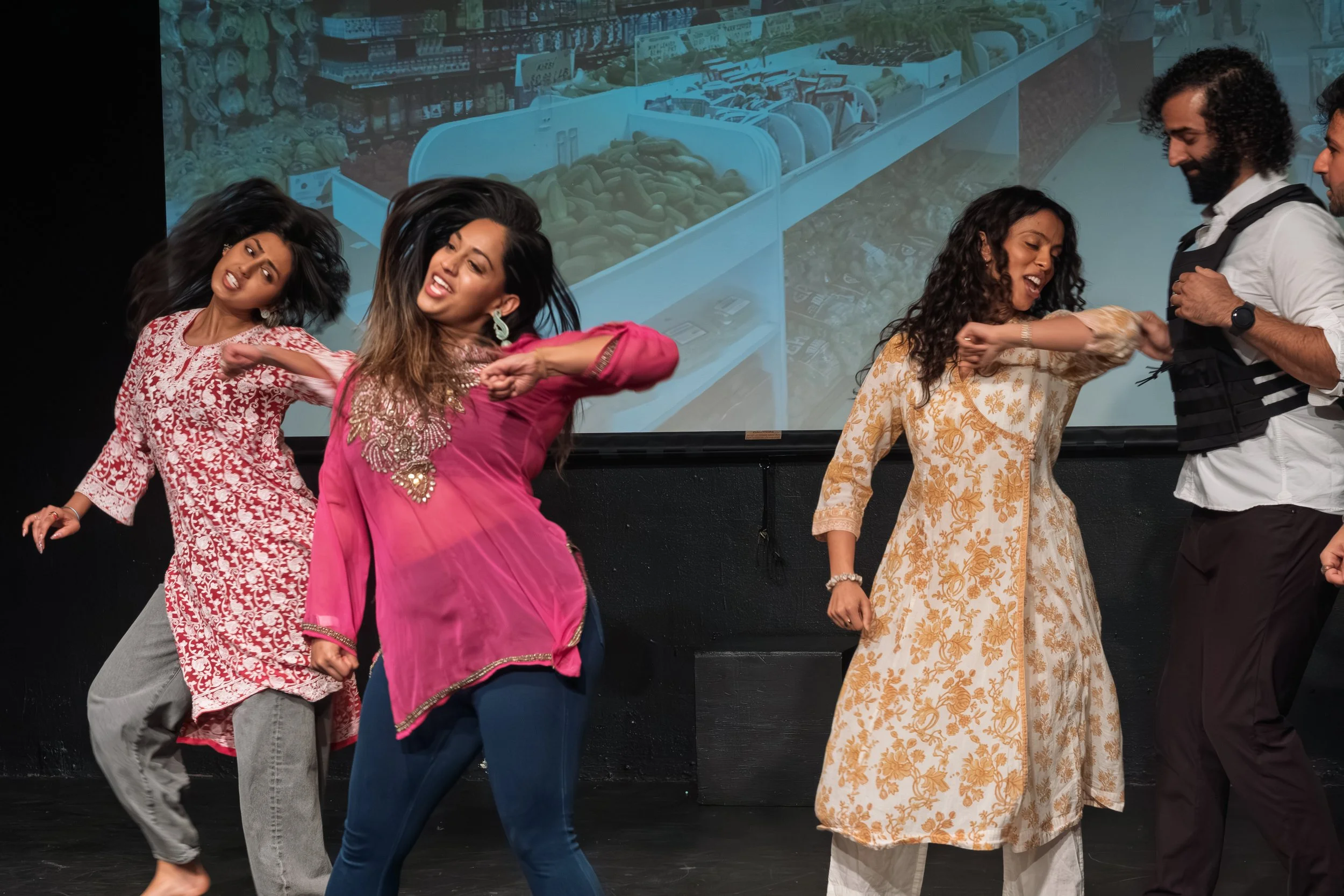
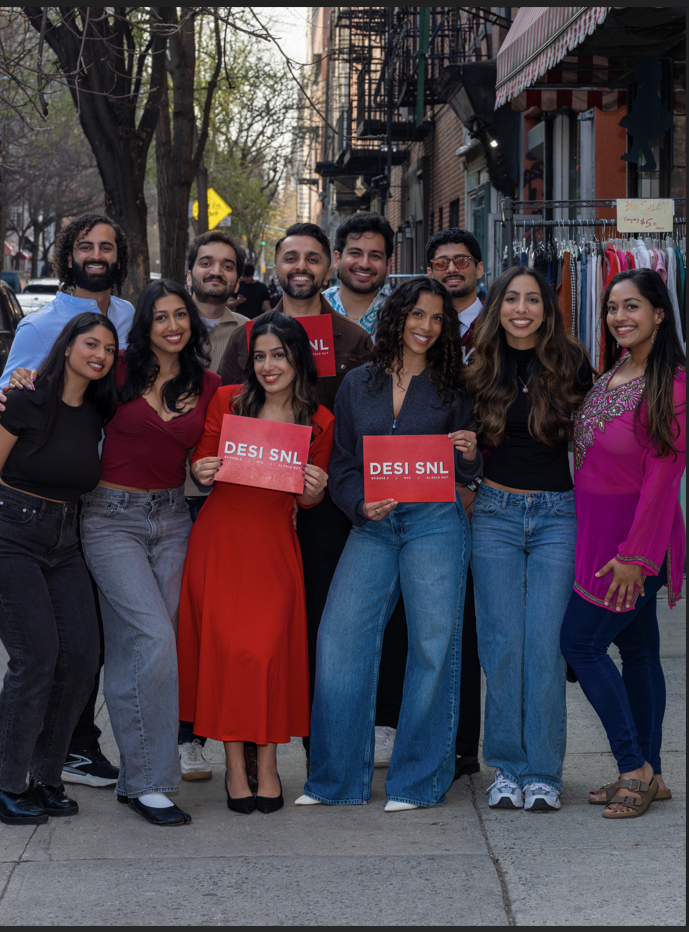
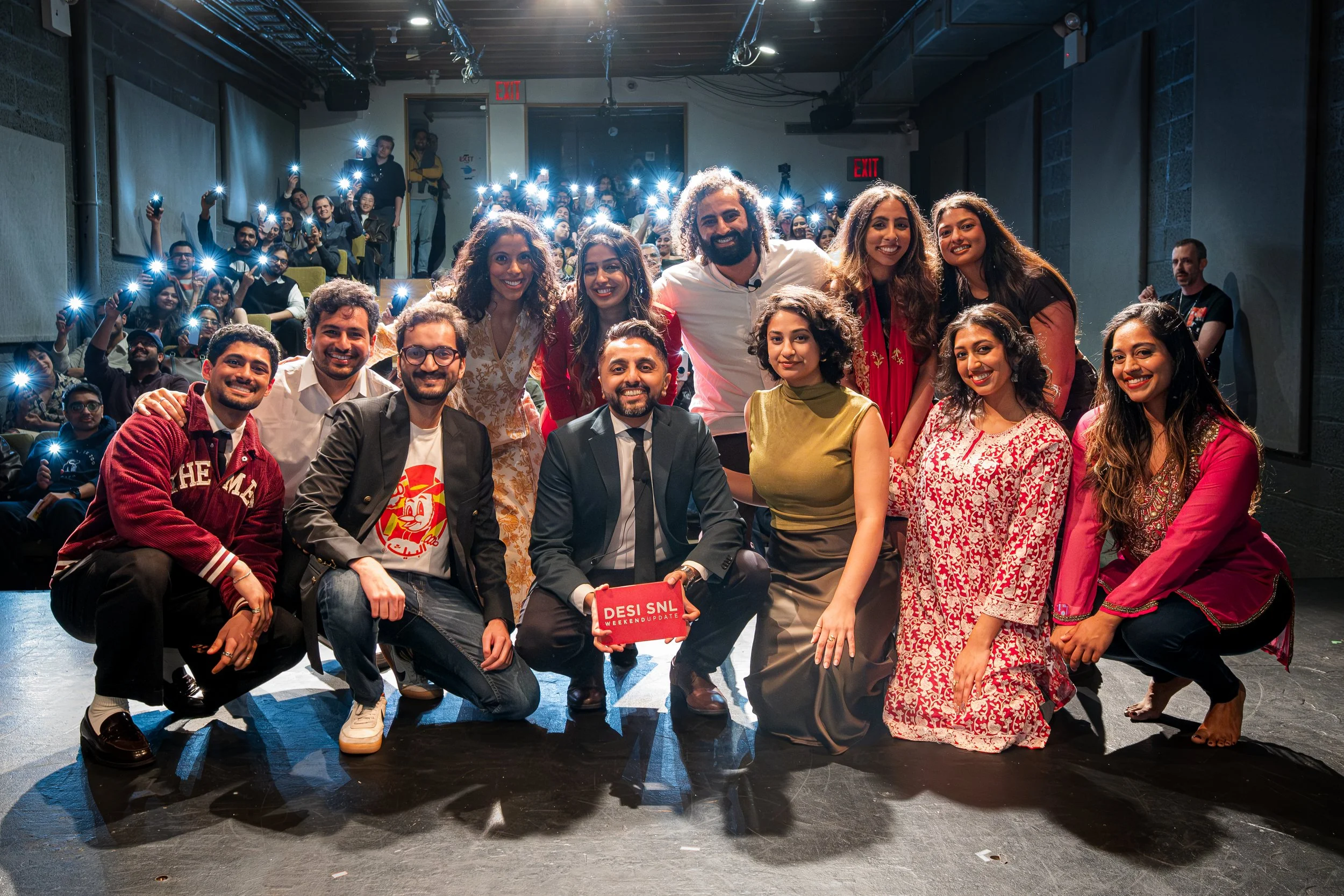
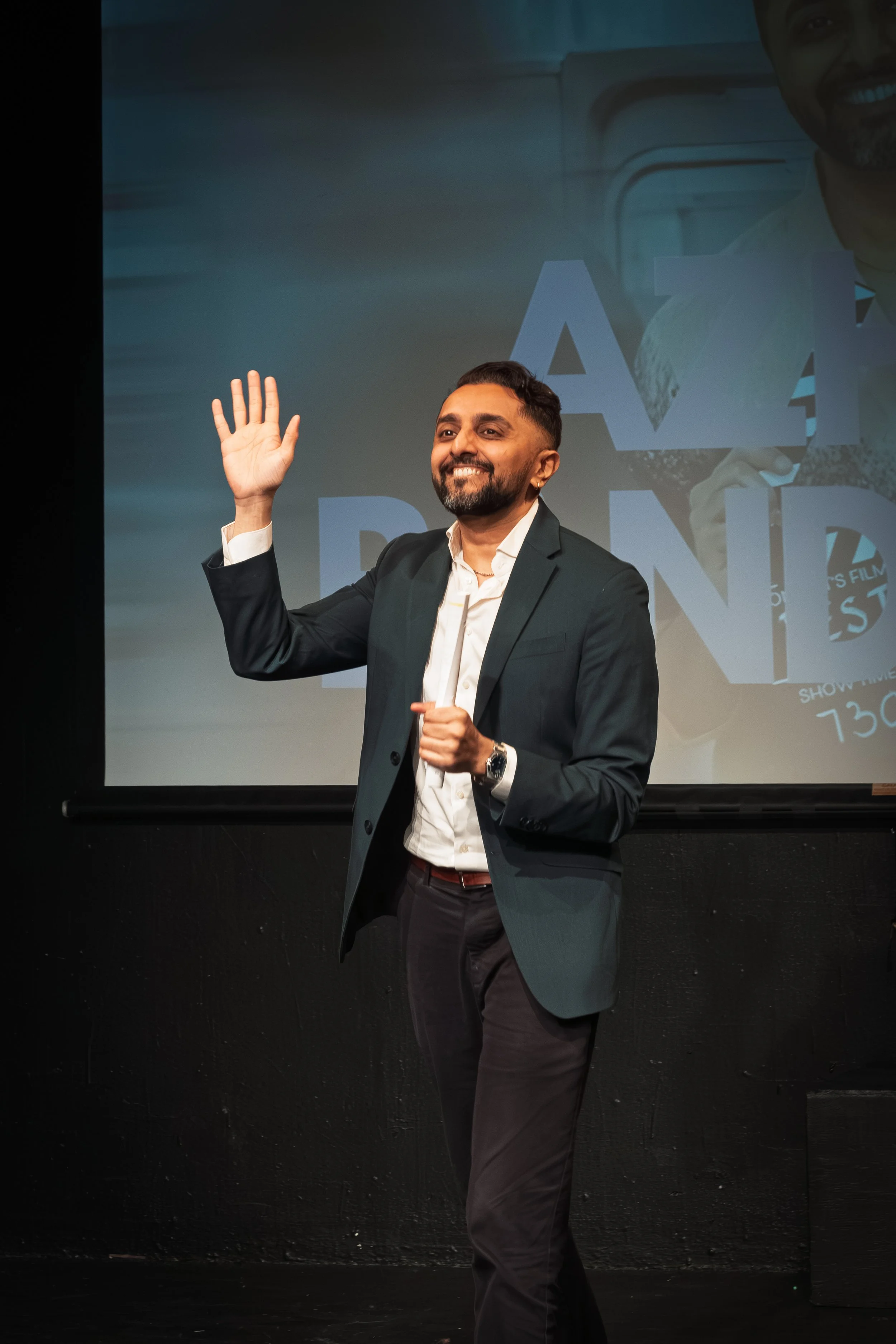
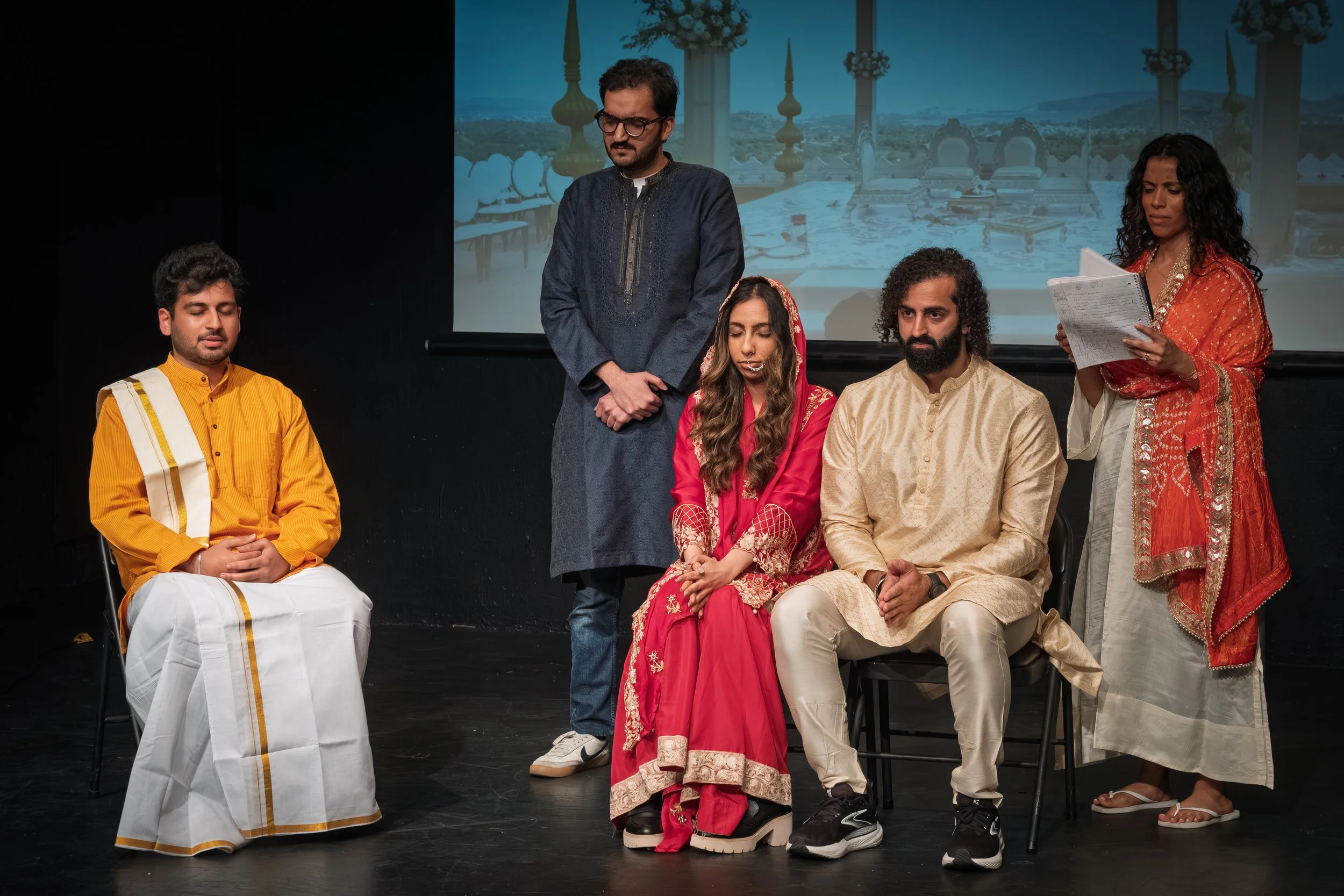
Photo Credit: Nader Farzan
How Azhar Bande-Ali Is Turning Personal Stories into a Shared Stage Through Bad Muslim and Desi SNL, the comedian and storyteller is creating space for South Asian artists, audiences, and families to recognize themselves onstage.
Every so often, an artist arrives with work that feels both deeply personal and broadly resonant. Azhar Bande-Ali is one of those artists. When he invited me to review his solo show, Bad Muslim, at the 2025 NYC Fringe Festival, the title immediately raised a question: what makes someone a “bad Muslim”? What unfolded onstage was not an indictment of faith, but a tender, funny, and thoughtful exploration of identity, family, diaspora, and belonging.
That conversation continues with Bande-Ali's newest project, Desi SNL, a live sketch comedy show inspired by South Asian family life and modeled with the speed and structure of Saturday Night Live. Now heading into its third installment at SoHo Playhouse, the show has become more than a comedy event. It is a deliberate act of community-building.
“There was never a version of my career that wasn’t going to be connected to the diaspora,” Bande-Ali says. “It’s such a significant part of my life and identity.”
For Bande-Ali, comedy is not an escape from culture. It is a return to it. His work draws from the people, expectations, contradictions, tenderness, and absurdity that shape South Asian and diasporic life. He is not interested in flattening those experiences into stereotypes, nor is he chasing easy laughs at the expense of the community that raised him.
“I can’t go off and exist in some generic comedy scene because that’s not who I am,” he explains. “The material that interests me is rooted in what I understand, what I’ve lived through, and what I can lovingly make fun of.”
That love is central to his approach. Early in his performing life, Bande-Ali gave himself a rule: he would only create work he would be proud for his mother to hear. At first, he admits, that came from fear. Over time, it became a compass. “If I wouldn’t want my mom hearing it, I wasn’t going to do it,” he says.
That principle is evident in both Bad Muslim and Desi SNL. The comedy is sharp, but it is not cruel. The shows avoid fake accents, cheap caricatures, and recycled punchlines about South Asian identity. Instead, Bande-Ali is interested in specificity, affection, and recognition.
“We stay true to our community and build on what already exists,” he says, “because if we spend our time tearing it down, we’re left with nothing.”
Bad Muslim revealed how powerfully audiences can bring their own expectations into a room. Some came to the show assuming the title signaled a critique of Islam. Instead, they found a piece that celebrated faith and explored Bande-Ali’s personal relationship to it. Others, he says, seemed disappointed that the work did not attack Islam more directly. The same performance prompted radically different readings.
“It’s incredible that two people can see the exact same show and walk away with completely different interpretations,” he reflects.
If Bad Muslim was a solo act of self-definition, Desi SNL is a collective one. The sketch show was born, in part, from rejection. Bande-Ali had submitted sketches to another comedy show and never received a callback. Frustrated, he told his friend Shreya (Sanjiv-Thakur) that he might as well create his own show. What he thought was simply venting became a turning point.
“I called Shreya and said, ‘Fine. I’ll just do my own sketch show,’” he recalls. “I thought I was venting to a friend. Instead, she said, ‘What do you need? Let’s do it.’”
Since then, Shreya has become an essential creative partner. Bande-Ali may stand onstage as the public face of the project, but he is quick to credit the collaboration behind it. “I genuinely could not do it without her,” he says. In rehearsal, he looks to Shreya as a creative barometer. “If she says yes, I say yes. If she says no, I say no.”
That collaborative spirit extends beyond the two of them. Desi SNL is built through open calls for writers and actors, giving emerging voices a place to submit, audition, and contribute. He also creates space for young artists interested in this industry. Shaiya Alibhai is exploring the writing and production process while developing her skills in journalism and filmmaking, using behind the scenes footage, social media content, and interviews with Azhar and the cast for a documentary. Inspired by seeing Desi SNL Episode 2, she hopes to highlight how the show creates a joyful space for South Asians to see their culture and lived experiences represented onstage while introducing new audiences to its vibrant community.
Bande-Ali is clear that the show is not meant to be a closed creative circle. It is meant to be a platform. “We’re benefiting from the creativity of the community,” he says. “I want people to know that when these opportunities are announced, we genuinely want new voices to participate. Apply. Audition. Submit. Help us build something sustainable.”
That word—sustainable—matters. Bande-Ali is not only making a show; he is helping build infrastructure. “The opportunities for our community aren’t going to magically appear because some large entertainment company opens a door,” he says. “They’re going to happen because we build stages, create opportunities, and open doors ourselves.”
Bande-Ali’s own path to the stage began not with a grand artistic plan, but with burnout. After moving to New York from the Bay Area in 2022, he found himself working across time zones, spending long days in meetings, and feeling increasingly disconnected from himself. A bad date changed everything. She took him to a Moth storytelling show. Before the performance began, Bande-Ali leaned over and said, “I can do this.”
“Thirty seconds into my story, the audience laughed,” he remembers of the first time he was called to the stage. “That was it. I was never going back.”
Storytelling became a way back to himself. “What pushed me onto the stage was burnout,” he says. “I realized I didn’t want my life to be endless work making someone else richer.”
Now, with Desi SNL, that personal rediscovery has widened into something communal. The show’s third installment will feature new sketches, pre-taped segments, an opening monologue, and a Weekend Update segment. The third installment arrives at SoHo Playhouse following two sold-out editions that generated waitlists.
“Desi SNL is a sketch comedy show made by Desis, for Desis,” Bande-Ali says. But as the audience response has shown, the work travels beyond one community. You do not need to be Desi to recognize family pressure, cultural translation, generational expectations, or the strange ways love hides inside critique. You simply need to have a family.
That, perhaps, is the heart of Bande-Ali’s work: it is specific enough to be truthful and generous enough to invite others in. Whether through a solo show about faith and identity or an ensemble sketch show built by and for a community, he is creating the kind of space many artists spend years searching for.
Sometimes you have to build your own stage when you’re not invited onto one.
Performances: August 18th at 7pm and August 29th at 5pm at SoHo Playhouse, 15 Vandam Street, NY, NY 10013.
Click HERE for tickets.
Editorial by Malini Singh McDonald.
Published by Theatre Beyond Broadway on August 4, 2026. All rights reserved.