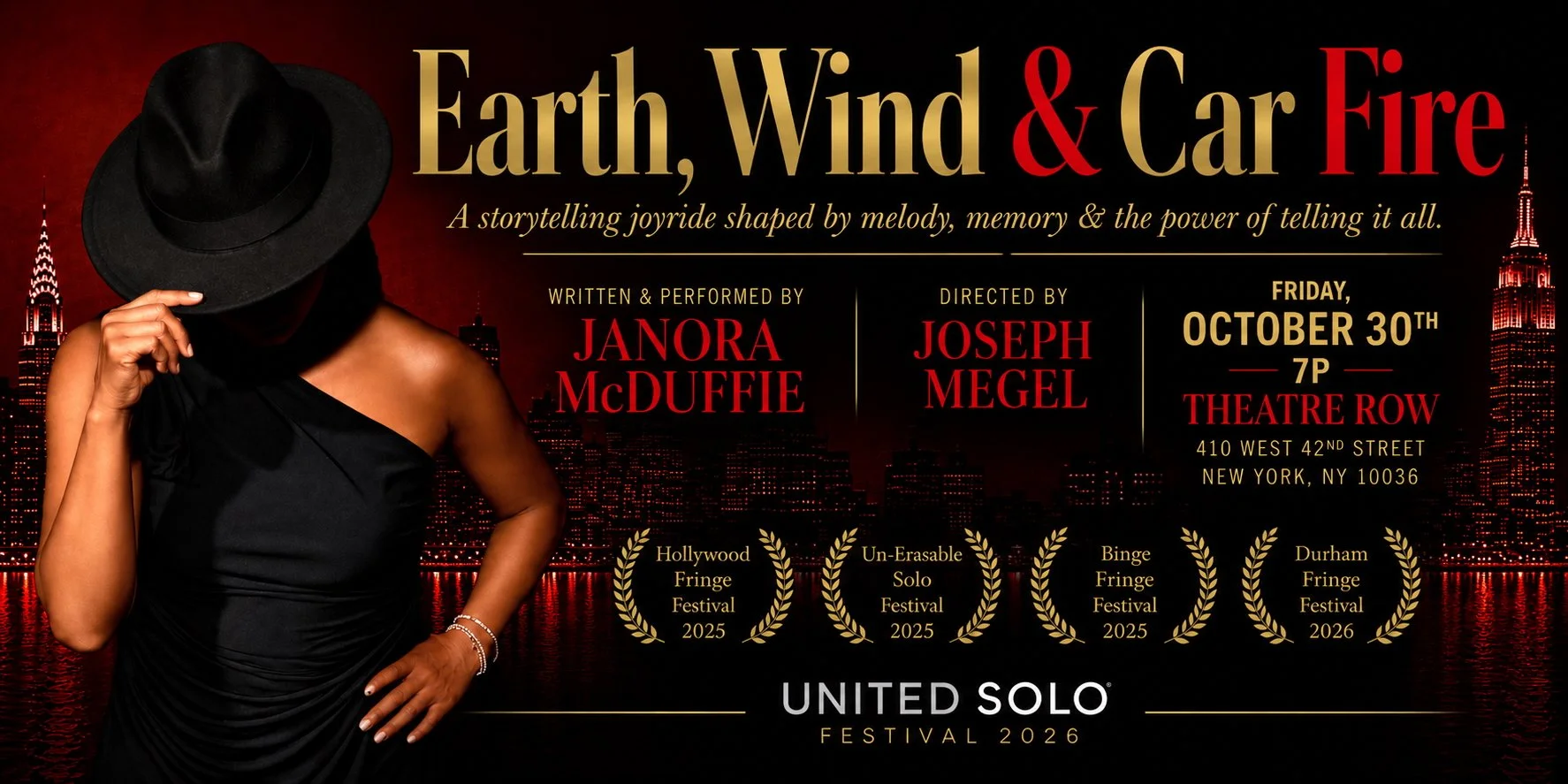
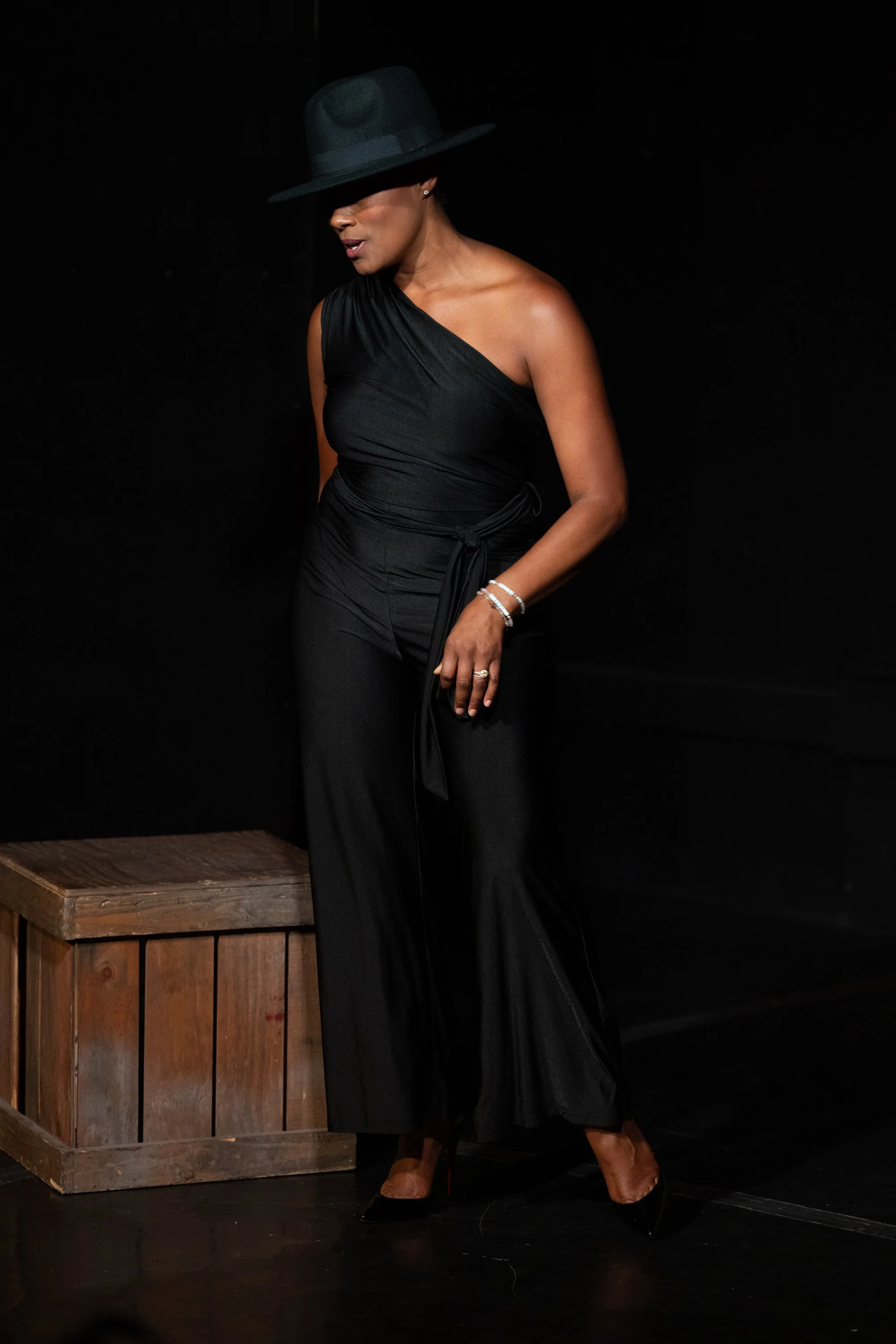
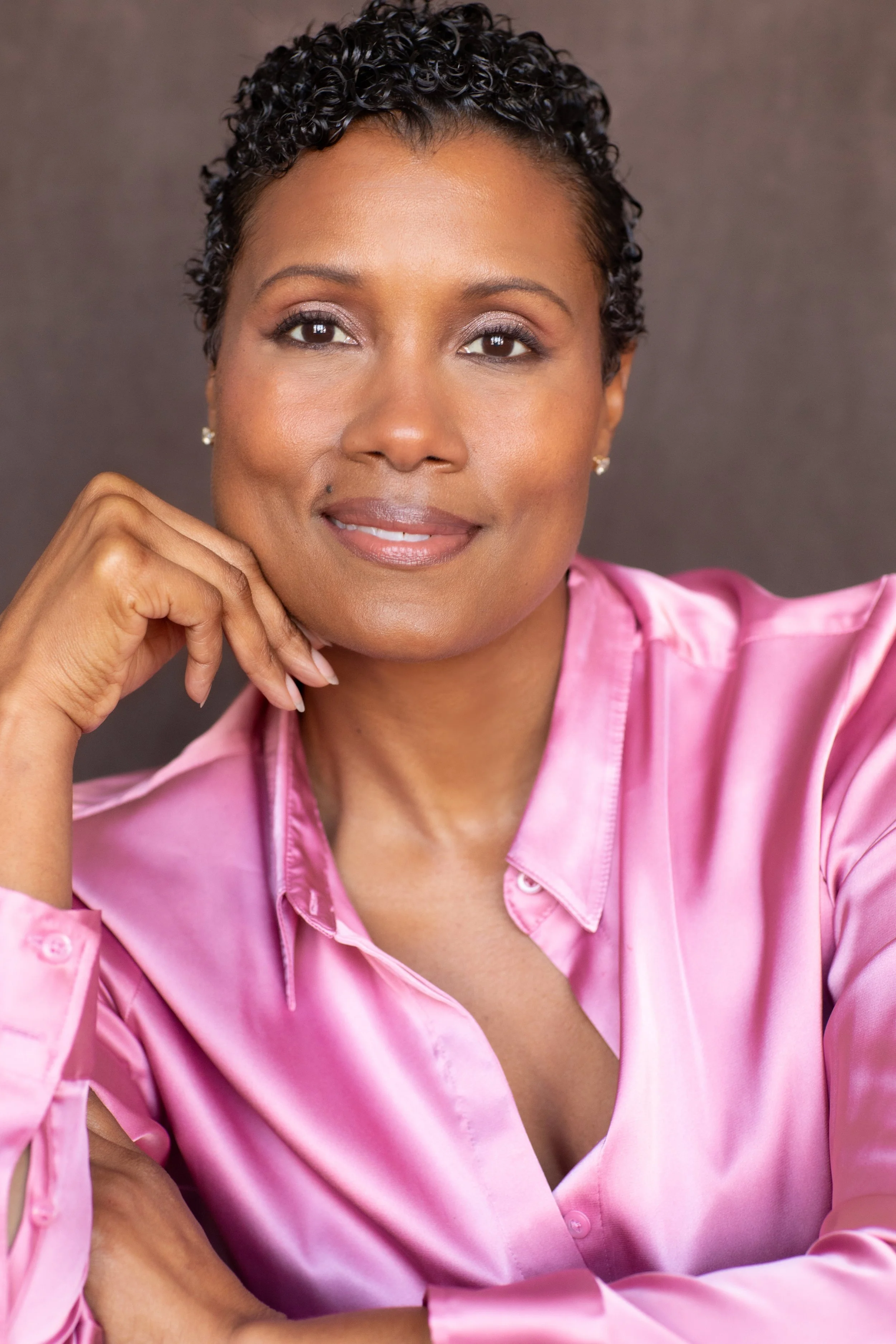
Janora McDuffie has a story to tell us. Her 10-minute storytelling anecdote in 2017 has evolved into a compelling, full-length solo performance exploring love, identity, race, and faith. Following its development at the Black Queer Studies 25th Anniversary Conference at UNC–Chapel Hill, and performances at the Hollywood Fringe Festival, Un-Erasable Solo Festival, and Binge Fringe Festival, this deeply personal work now takes center stage at United Solo Festival in New York City.
A testament to the power of owning your story and creating your own opportunities, Earth, Wind & Car Fire brings humor, vulnerability, and unapologetic honesty to the stage. We caught up with this powerhouse artist to talk about the journey, the creative process, and bringing her story to New York audiences.
1. In Earth, Wind, & Car Fire, you explore the intersections of race, sexuality, family, faith, and falling in love in a relationship that challenges other people’s expectations. How did you decide to transform such a deeply personal experience into a theatrical story, and what did the process reveal to you about yourself?
The catalyst was an invitation to create a performance piece for the 25th anniversary of the Black Queer Studies Conference at UNC-Chapel Hill last April. These were stories I'd carried for years but suddenly, I had a creative opportunity and perhaps most importantly, a deadline to bring them to life.
What surprised me most was discovering just how universal my very specific story actually is. You don't have to be Black, queer, Southern, or in love with a white policewoman to understand what it means to wrestle with expectations, navigate contradictions, or struggle to reconcile who you are with who you've been taught you're supposed to be.
And I think what the process revealed is that sharing the most vulnerable parts of myself didn't diminish me. There's real power in telling the truth. When we're willing to tell our stories honestly, we give other people permission to find themselves in those stories, too.
2. Humor is key when sharing an intimate and raw story like yours. How did you find the balance to create this story so that audiences can find identification?
I think humor has always been a survival mechanism for me. I've learned that you have to be able to laugh at yourself and find some levity in life's most complicated moments or you risk being swallowed whole.
So the balance between humor and vulnerability wasn't necessarily something I consciously crafted for an audience but rather a reflection of how I've navigate my own life.
It’s my hope that audiences recognize that we can laugh and struggle, hurt and heal all at the same time.
3. What does bringing this particular story to the United Solo Festival mean to you?
Bringing Earth, Wind & Car Fire to United Solo was both a bucket-list moment and a powerful reminder of why I became an artist in the first place.
After years of navigating Hollywood where so much of my career depended on someone else seeing my potential, there's something incredibly empowering about creating your own work and opportunities. I didn't have to wait for permission to tell this story. I wrote it, produced it and brought it to life on my own terms.
And to then take that work to New York City and perform it Off-Broadway at the world's largest solo theatre festival? That's both boss and a blessing!
Earth, Wind & Car Fire is part of the United Solo Festival.
Click HERE for tickets.
Editorial by Malini Singh McDonald.
Published by Theatre Beyond Broadway on November 4, 2026. All rights reserved.