
Joanna Pickering’s Theatre Refuses to Look Away
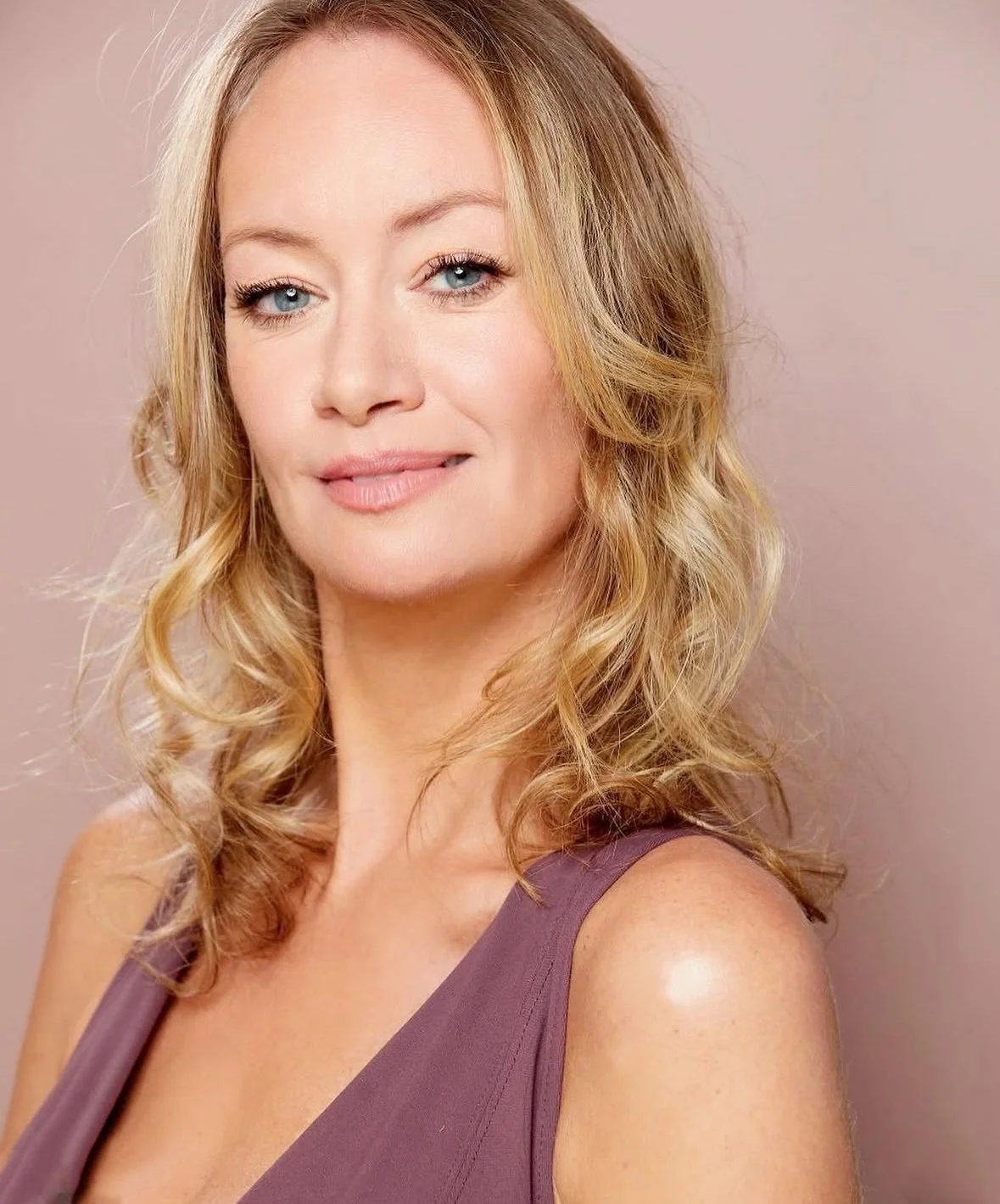
Joanna Pickering has been asked whether she will ever write about something else. Her answer is that the stories have not run out. Across her work, the multi-award-winning British actress and playwright returns to domestic abuse, sexual assault, coercive control, and the aftermath of trauma not to preach, but to place audiences inside experiences that are too often misunderstood, minimized, or silenced.
“I’m not interested in writing trauma as a headline,” Pickering says. “I’m interested in what happens after, when everyone else wants the story to be over and the person living it is still inside it.”
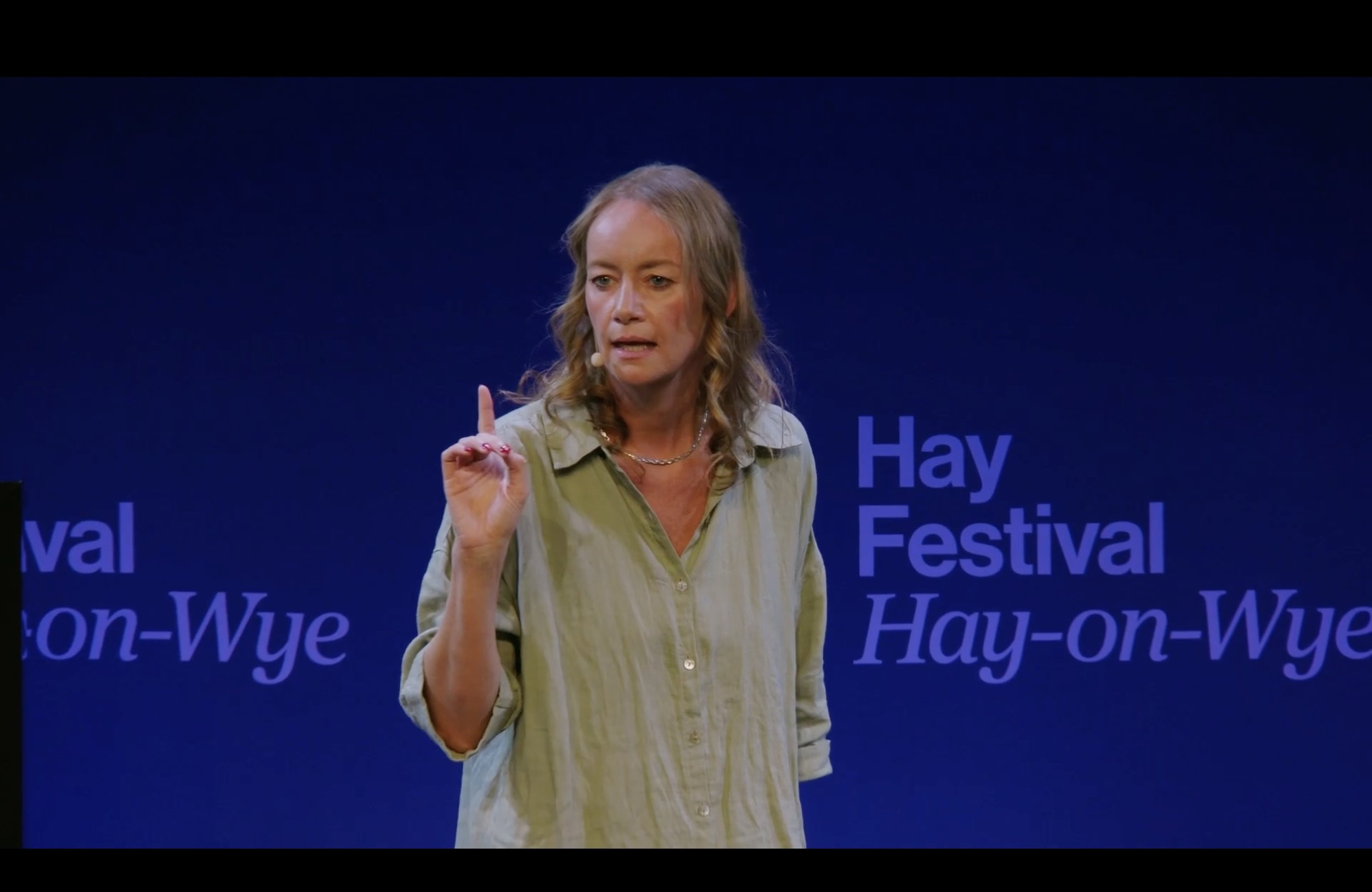
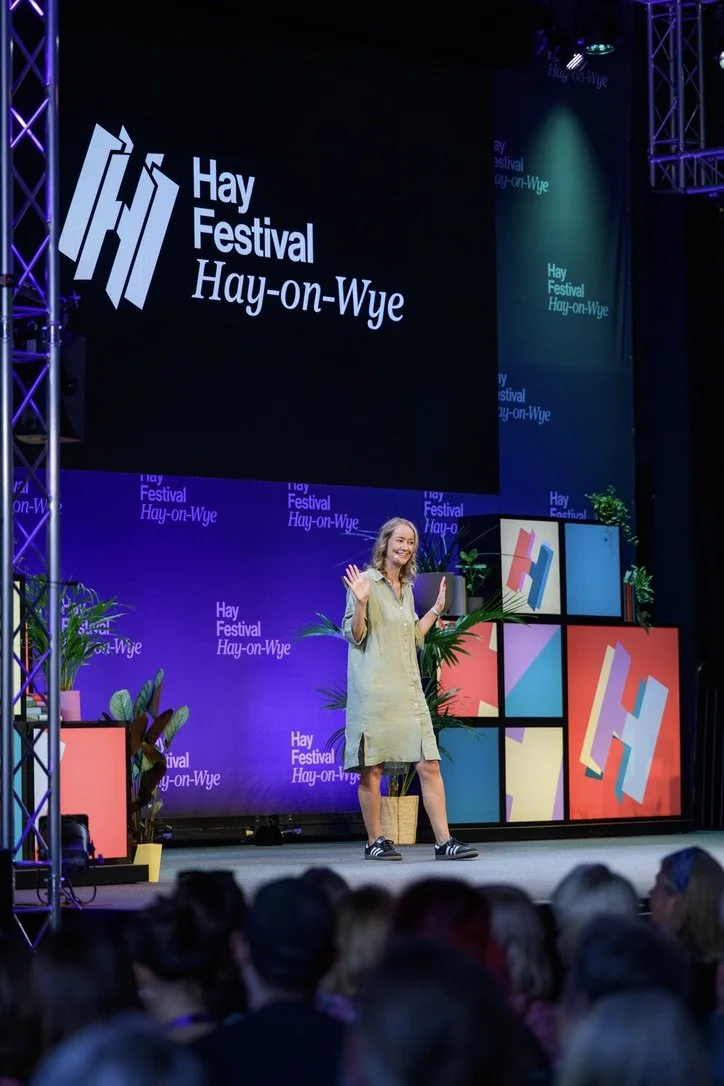
Her 20-minute one-woman play Don’t Harm the Animals, performed in the open air at Hay Festival, follows a woman isolated at the top of a mountain as she confronts PTSD in the aftermath of sexual assault. The piece shines a light not only on trauma itself, but on the secondary revictimization that can follow when friends, institutions and even well-meaning allies fail to understand what survival looks like.
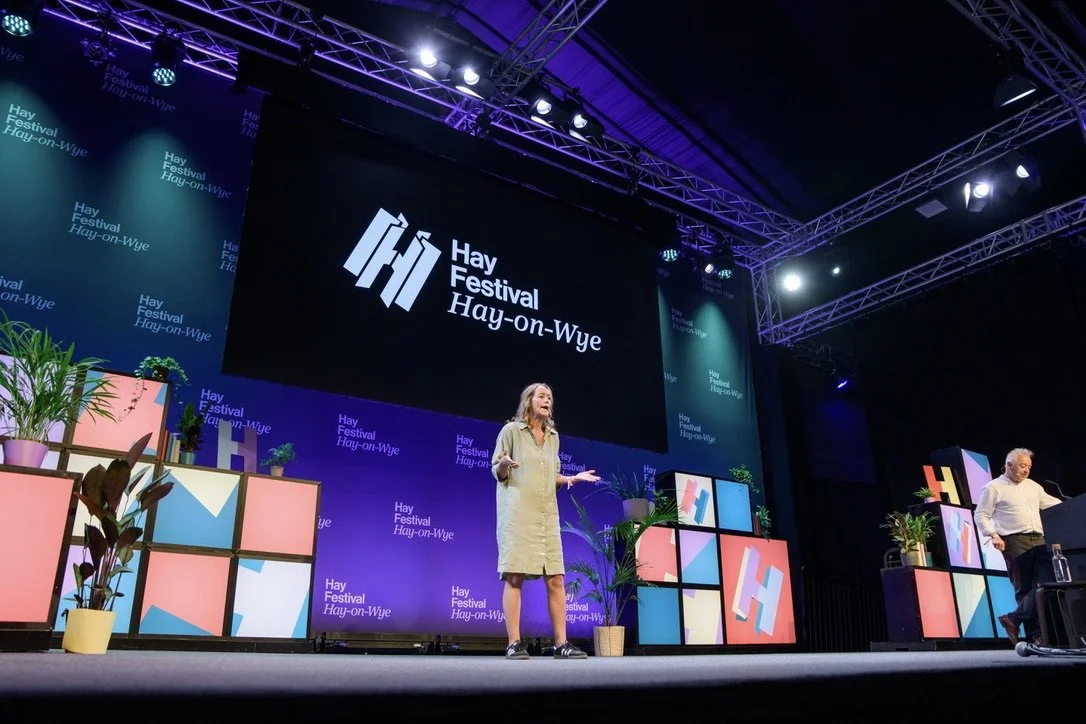
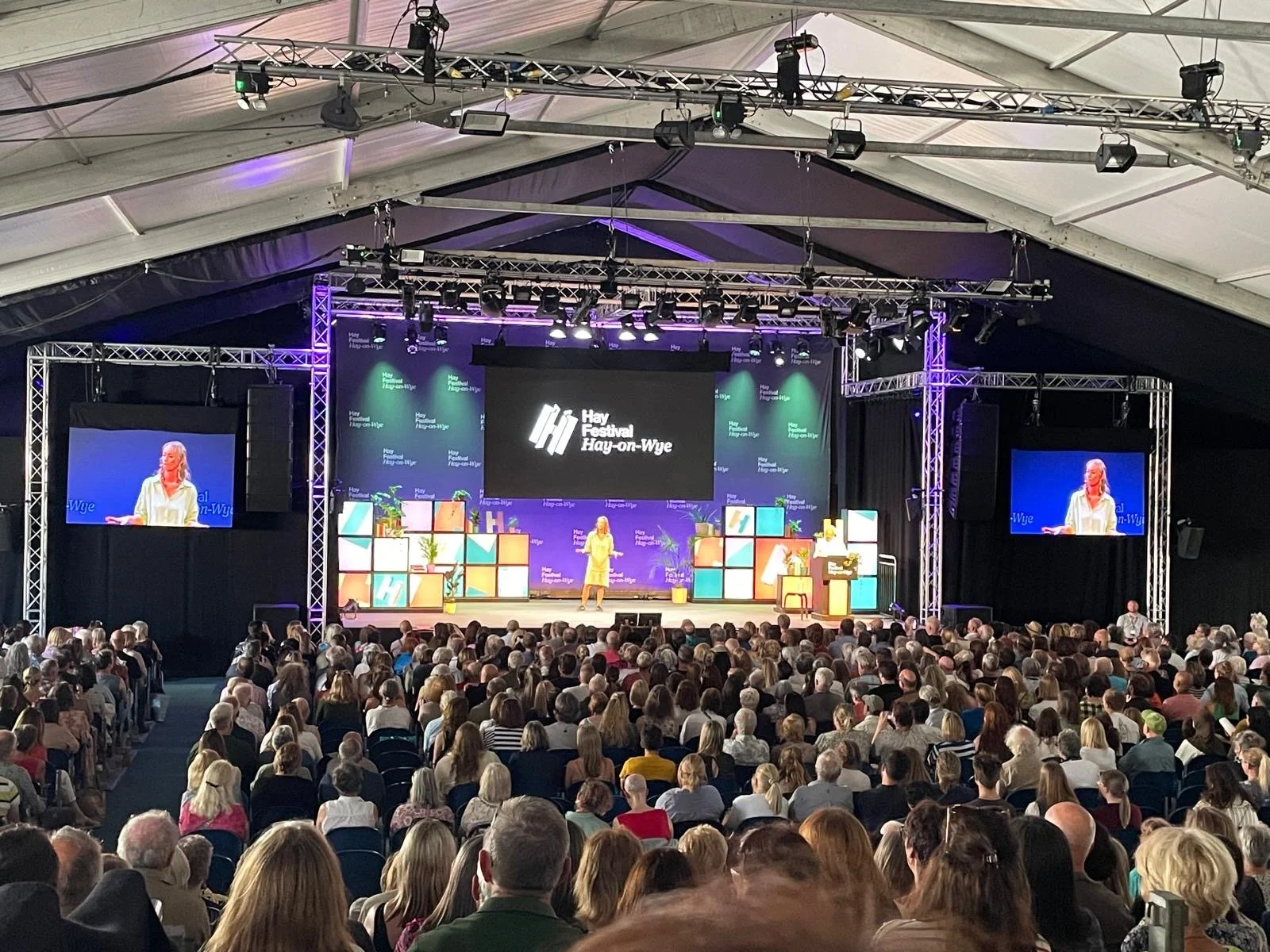
At Hay, the setting stripped away the usual protection of theatrical darkness. Pickering performed in daylight, in a marquee, before an audience close enough for her to see their faces. Without the shield of stage lights, the work became more exposed, more immediate and, in her words, more raw. What might have been a conventional solo performance became something closer to a shared act of witnessing.
Pickering resists the idea that her plays are lectures. She does not describe herself primarily as an activist playwright, nor does she want audiences to feel instructed. Instead, she writes experiences: stories that ask viewers to sit with discomfort, ambiguity, complicity, and silence. The agenda, if there is one, is female narrative — women’s stories told with enough complexity to include fear, humor, anger, intelligence, contradiction, and endurance.
“I don’t want to lecture an audience,” she says. “I want them to feel as though they’ve been sitting beside someone, close enough that they can’t look away.”
Don’t Harm the Animals grew out of the same emotional terrain as The Endgame, extending a character into the months after an assault. If the earlier work examined the charged confrontation between a victim and the man she says assaulted her, this solo piece turns toward what comes next: the triggers, the isolation, the broken friendships, and the cultural failure to respond with care.
The play’s title comes from one of its sharpest emotional reversals. The character has been triggered by the sensation of an animal licking her hand; when she tells a friend, the friend’s first concern is whether the animal might be harmed. The survivor, suddenly repositioned as a threat, asks the question at the center of the piece: when did she become the criminal?
That is where Pickering locates much of the play’s force. Don’t Harm the Animals is not framed as a story about monsters lurking outside ordinary life. It is concerned with acquaintance rape, with the blurred social spaces in which harm can be minimized, misnamed or excused. It is also concerned with the people around the victim: the friends who say the wrong thing, the systems that move too slowly, the cultural scripts that still ask women to explain themselves.
Pickering calls this secondary revictimization. The assault is not the only wound. There is another injury in being doubted, mishandled, avoided, or made responsible for everyone else’s discomfort. The play’s mountain setting becomes more than a location: it is a metaphor for isolation, for the distance between what has happened and what others are willing to understand.
“The assault is one violation,” Pickering says. “But then there is the violence of disbelief, of awkwardness, of people making you responsible for their comfort. That second wound is everywhere.”
That focus gives the work its urgency. In the years since #MeToo, public language around sexual violence has changed, but Pickering is interested in the space between slogans and lived reality. Awareness has not automatically produced safety, justice, or emotional literacy. Survivors still encounter shame, silencee, and institutional delay. Audiences may arrive expecting a play about assault; they leave having confronted the fragile social architecture around it.
For Pickering, feminism is not a closed room. She speaks about the need for men to be part of the conversation, not as observers but as participants in change. Some of her most meaningful responses, she says, have come from men moved by the work, including those who recognized something in the play that they had not previously understood.
“Men are not outside this conversation,” she says. “If the work reaches them, if it gives them language or makes them question something they thought they understood, then that matters.”
Her plays often resist the simplest image of sexual assault as a stranger crime. Instead, they examine entitlement, miscommunication, social conditioning, and the moment when no is not heard. That choice complicates the dramatic terrain. It also makes the work commercially and theatrically alive: these are psychological thrillers, moral mysteries, and intimate character studies as much as they are advocacy pieces.
Pickering is clear that difficult subject matter does not mean theatre should abandon entertainment. Her work makes room for humor, suspense and surprise. She points out that audiences routinely watch murder mysteries without assuming the subject makes the form unwatchable. A crime, a contradiction, a question of belief: these are the engines of drama. The difference is that her plays ask audiences to learn something along the way.
Hay Festival’s programming gave Don’t Harm the Animals an unusual context. Better known for author talks and literary events, the festival placed Pickering’s theatrical performance among a wider program foregrounding female voices and gender violence. The performance was directed by award-winning Welsh writer and director Philip John, whose screen credits include Downton Abbey, Outlander and Marvel projects.
Pickering also appeared on the festival’s Global Stage as part of a spoken word gala, sharing a platform that included Miriam Margolyes, Larry Lamb, Paterson Joseph, and Cressida Cowell with Frank Cottrell-Boyce. For a performer used to committing fully whether there are five people or a hundred in the room, the scale of that stage brought a different electricity. The opening line briefly vanished from her mind backstage; once she stepped out and felt the audience’s concentration, the play returned.
The festival’s attention to welfare also mattered. With events addressing sexual violence and gender-based harm, support structures were part of the environment. Pickering is conscious that work like hers can be triggering. The point is not to wound audiences further, but to create a space where difficult truths can be held with care.
Pickering’s next chapter suggests the Hay performance was not an isolated moment but part of a widening artistic trajectory. Her full-length one-woman play Lara’s Journey, written in support of Ukrainian refugees and sponsored by Nova Ukraine, follows a young woman displaced by the 2022 Russian invasion of Ukraine. The piece gained support from Ukrainian activist and psychologist Natalia Kholodenko and was presented alongside Kholodenko’s collaborations with Gloria Gaynor and Kathy Sledge on the songs I Will Survive and We Are Family, reaching more than one million viewers through a live stream. It later appeared in the official Off-Avignon program, where Chroniques d’Alceste praised it as a “masterful and stunning work.”
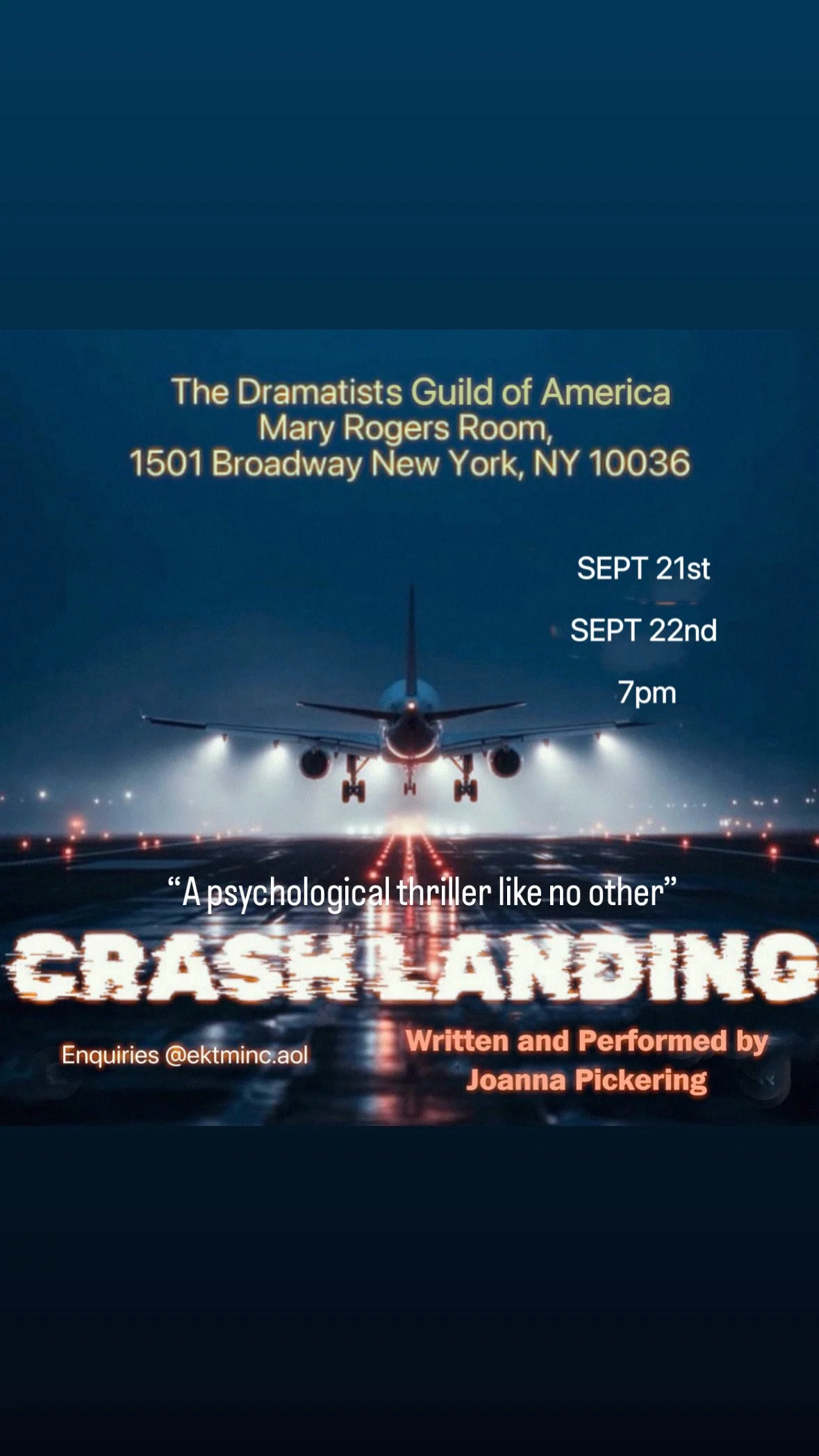
Crash Landing, her major U.S. solo show, is now moving toward a world premiere with producer Eric Krebs, who has described Pickering’s stage presence in terms that recall Spalding Gray but with a more dangerous charge. The show follows a night of celebration that becomes a nightmare when an aircraft emergency unfolds, while also examining the psychological dynamics of a relationship from the perspective of the woman on the ground.
She is also developing It’s Only Rock ’n’ Roll Baby, a full-length absurd comedy-drama connected with Melody Brooks and New Perspectives Theatre’s Women’s Work program, alongside other projects that move into comedy, music and rock-and-roll territory. It is a reminder that even within recurring themes, Pickering is not writing the same story again and again. She is building a body of work across forms, tones and genres.
What connects the pieces is not simply subject matter, but the feeling that someone has finally stayed long enough to listen. Pickering writes women as protagonists of their own psychological landscapes. They are not symbols. They are not lessons. They are funny, wounded, angry, strategic, charismatic, frightened, and alive. They carry the suspense of crime stories and the intimacy of confession, but also the ache of people who have had to fight to be believed.
“There are still so many women’s stories that have been reduced, tidied up or explained away,” Pickering says. “The theatre gives them breath. It lets them take up space.”
That may be why the question of whether she will write about something else feels, in the end, like the wrong question. The more urgent one is how many women have been asked to make their pain smaller so other people can remain comfortable. Pickering’s answer is to keep giving those stories a body, a voice, and a room full of witnesses. Not as sermons, but as theatre: raw, watchful and impossible to dismiss. And in that refusal to look away, there is something quietly radical — not only the demand to be heard, but the hope that being heard might change what happens next.
Editorial by Malini Singh McDonald.
Published by Theatre Beyond Broadway on July 30, 2026. All rights reserved.