Walt Whitman: America's Queer Ancestor
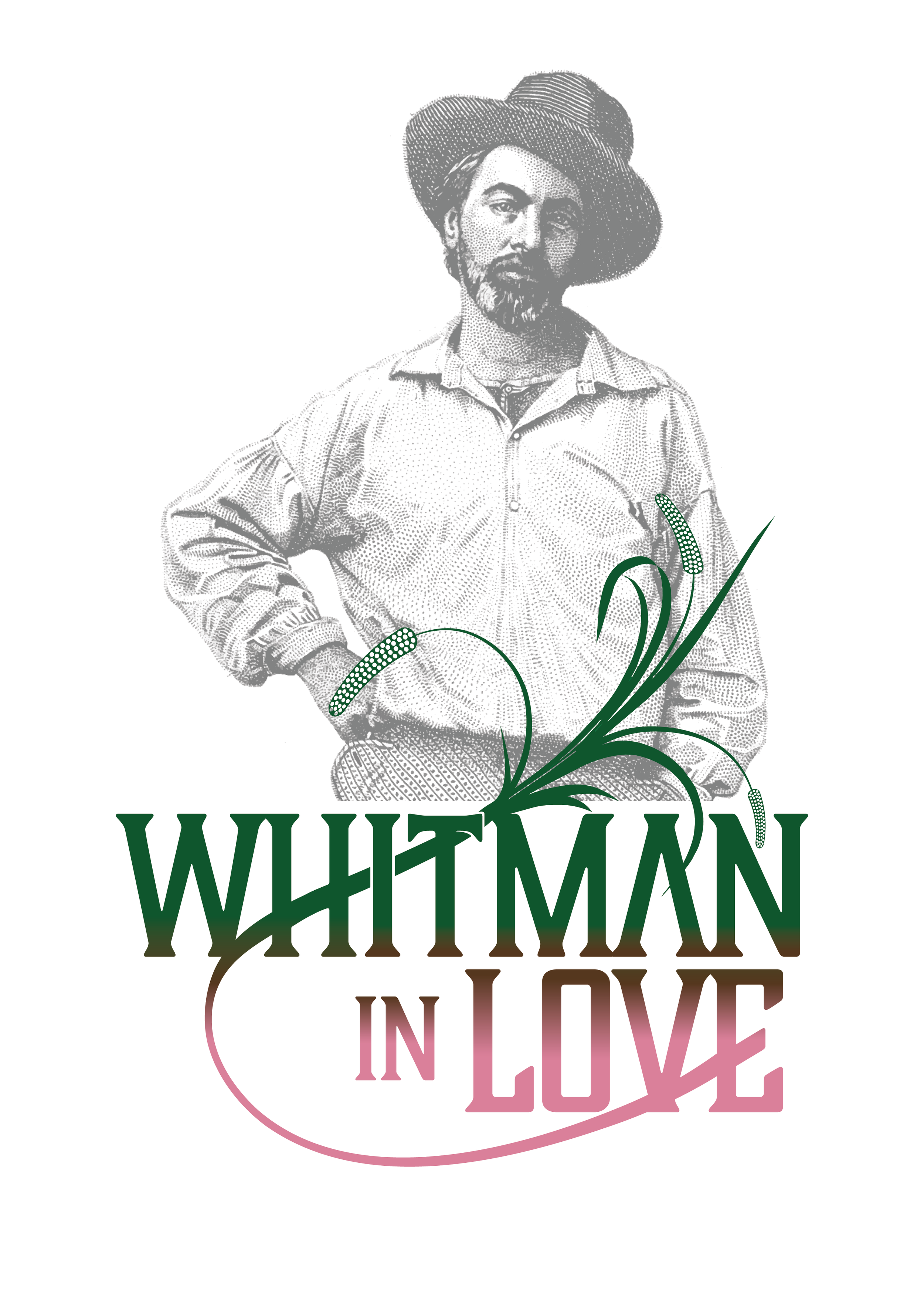
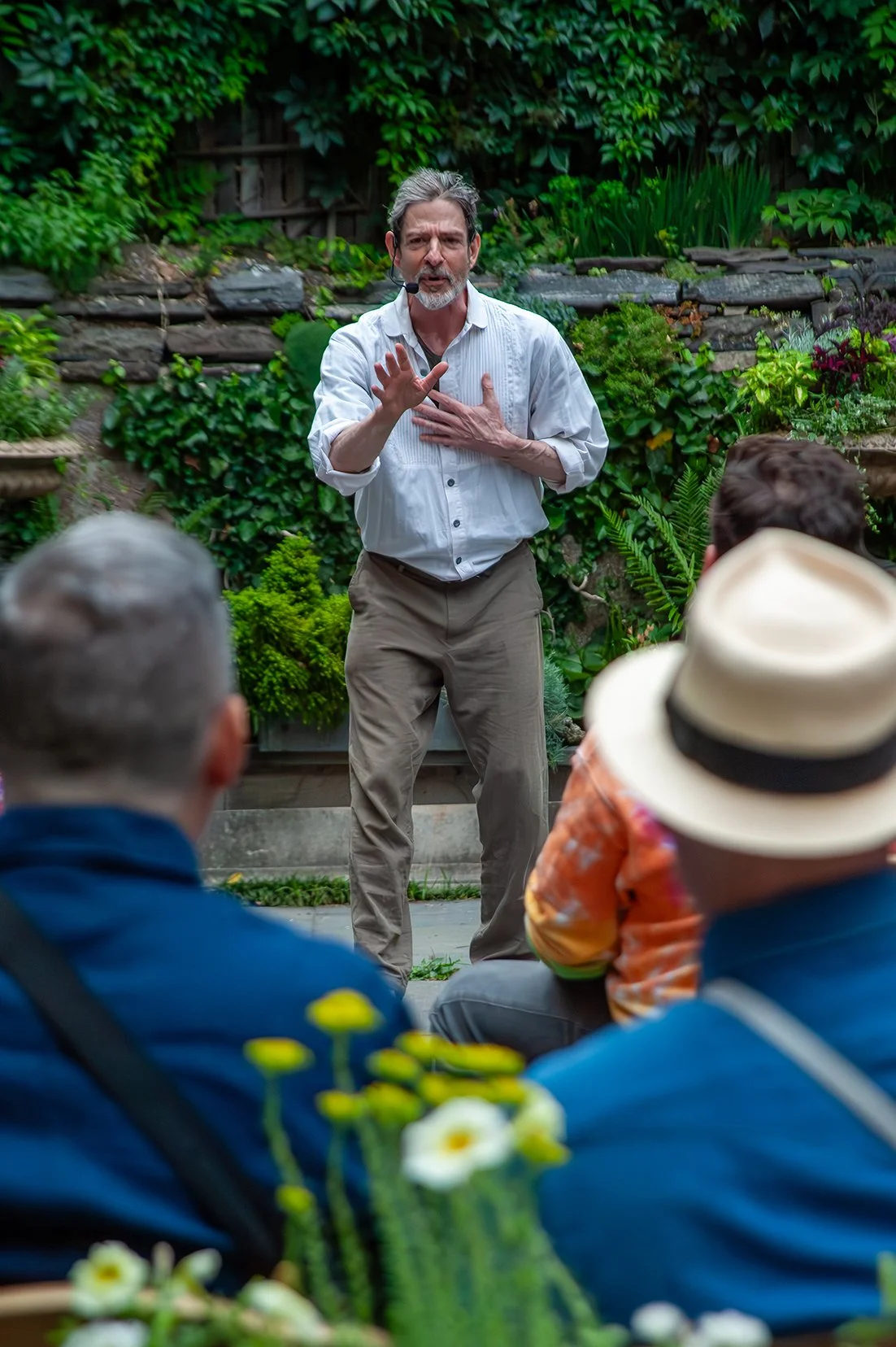

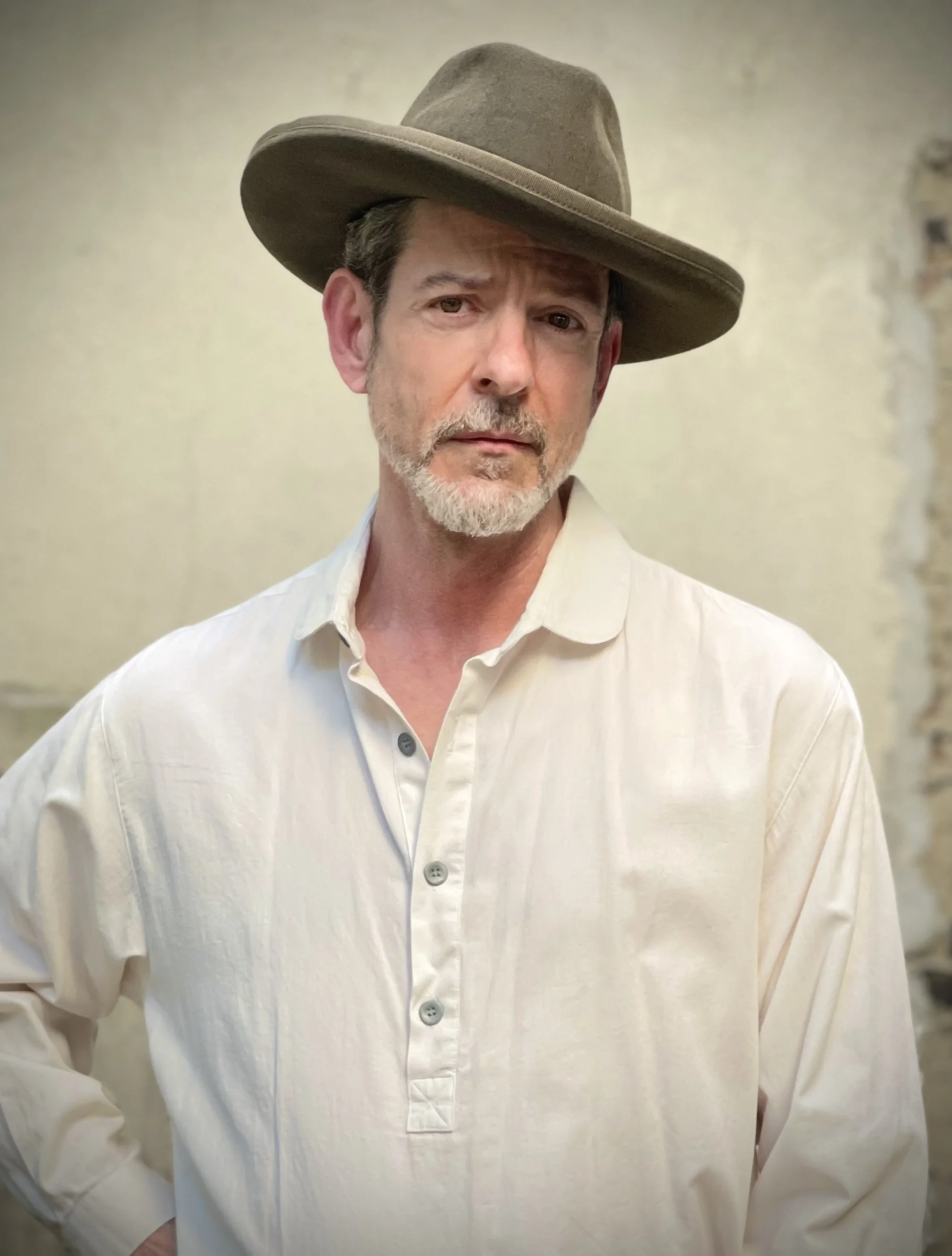
As I prepared for my interview with John Kevin Jones, writer and performer of Whitman in Love, I found myself drawing on memories of my days as a young English literature major, reading Walt Whitman and dissecting his beautiful, often dense words. My favorite poem was always Crossing Brooklyn Ferry, but in preparation for our conversation, I decided to venture deeper into the pages of Leaves of Grass rather than Live Oak, with Moss, from which the piece was inspired.
As I wandered through Whitman's work, I found three poems that stopped me in my tracks: City of Orgies, To a Stranger, and We Two Boys Together Clinging. Reading them in 2026, their themes of longing, connection, intimacy, and recognition felt strikingly immediate. They also set the tone for the conversation I was about to have with Jones, whose solo performance, Whitman in Love, explores the poet not as an untouchable literary giant but as a man shaped by love, desire, heartbreak, and the search for human connection.
For Jones, the journey into Whitman's life began with a discovery. While searching for material that would allow him to engage more deeply with the father of American poetry, he came across Live Oak, with Moss, a sequence of poems that many scholars now view as Whitman's most direct exploration of romantic love between men.
What astonished him was not only the poetry itself, but its history.
These poems were not widely known until their discovery in 1953, more than sixty years after Whitman's death. For Jones, the revelation raised an immediate question: how had generations of readers, scholars, and students encountered Whitman without fully grappling with this part of his life and work?
That question became the foundation for Whitman in Love.
The production first appeared in 2023, focusing primarily on the poetry itself. While Jones remains proud of that version, he found himself wanting to go further. The current incarnation, which premieres during Pride Month, is a richer and more theatrical exploration of Whitman's emotional world.
Rather than presenting the poems in isolation, Jones has woven together a tapestry of voices that surrounded Whitman throughout his life. Letters, memoirs, and historical accounts from men who loved Whitman and were loved by him help illuminate the poet beyond the page.
Central to that exploration are Fred Vaughan and Peter Doyle, two men who played significant roles in Whitman's life.
Jones believes that Vaughan, who later married and started a family, may have inspired many of the poems in Live Oak, with Moss. The heartbreak that echoes throughout the sequence, he suggests, reflects not only romantic longing but profound loss.
Doyle, however, emerges as the emotional center of the piece.
A former streetcar conductor whom Whitman met in Washington, D.C., after the Civil War, Doyle left behind recollections that speak to the deep affection the two men shared. Their relationship forms one of the most compelling threads in Jones's retelling of Whitman's story.
Again and again during our conversation, Jones returned to a phrase that has become central to the production:
"Who touches this touches a man."
For him, the line is a reminder that Whitman was not merely a literary monument or historical figure. He was a person. A man navigating love, rejection, desire, friendship, ambition, illness, and aging. By grounding Whitman in his humanity, Jones invites audiences to see themselves reflected in the poet's experiences.
That humanity is particularly resonant during Pride Month.
Jones describes Whitman as a queer ancestor, a figure whose life reminds us that LGBTQ+ people have always existed, even when society lacked the language to describe them. Long before modern concepts of sexuality emerged, Whitman was writing poems that expressed affection, devotion, and emotional intimacy between men.
"The father of American poetry is queer," Jones said with unmistakable delight.
Yet the performance is not solely about sexuality. It is also about identity, memory, and the stories we preserve about ourselves.
One of the discoveries that most moved Jones was an inscription Whitman wrote about the poems that would become Live Oak, with Moss. He described them as something prepared for himself, to be revisited "during the days of the approach of death."
The idea haunted Jones.
Whitman preserved these poems as a reminder of who he had been, of the loves that shaped him and the truths he carried within himself. That act of remembrance becomes one of the production's guiding questions.
Who are we when everything else falls away?
What parts of ourselves deserve to be remembered?
And how do we hold on to our humanity in a world that often asks us to diminish it?
Those questions feel particularly urgent today. As America marks its 250th anniversary and Pride Month unfolds amid ongoing political and cultural battles over identity and inclusion, Whitman in Love arrives at a moment when the past feels deeply connected to the present.
Jones does not present Whitman as a saint. In fact, he is careful to acknowledge the poet's contradictions and flaws. What fascinates him instead is Whitman's willingness to evolve. Throughout his life, Whitman revised not only his work but also his understanding of the world around him.
That capacity for growth may be the most contemporary thing about him.
By the end of our conversation, it became clear that Jones's performance is not simply a portrait of Walt Whitman. It is an invitation to examine our own lives with the same honesty and curiosity.
To ask, as Whitman did, who we are beneath the public mask.
To recognize the measureless ocean of love within us.
And perhaps most importantly, to remember ourselves.
Visit https://merchantshouse.org/whitman/ for tickets to Whitman in Love at the Merchant’s House
Editorial by Malini Singh McDonald.
Published by Theatre Beyond Broadway on June 17, 2026. All rights reserved.