
Presented by THE SHED and TIN DRUM
Written by Simon Stephens, Directed by Sarah Frankcom, Produced by Todd Eckert
The Shed | 545 West 30th Street, New Yokr, NY 10001
January 9, 2026 - April 4, 2026
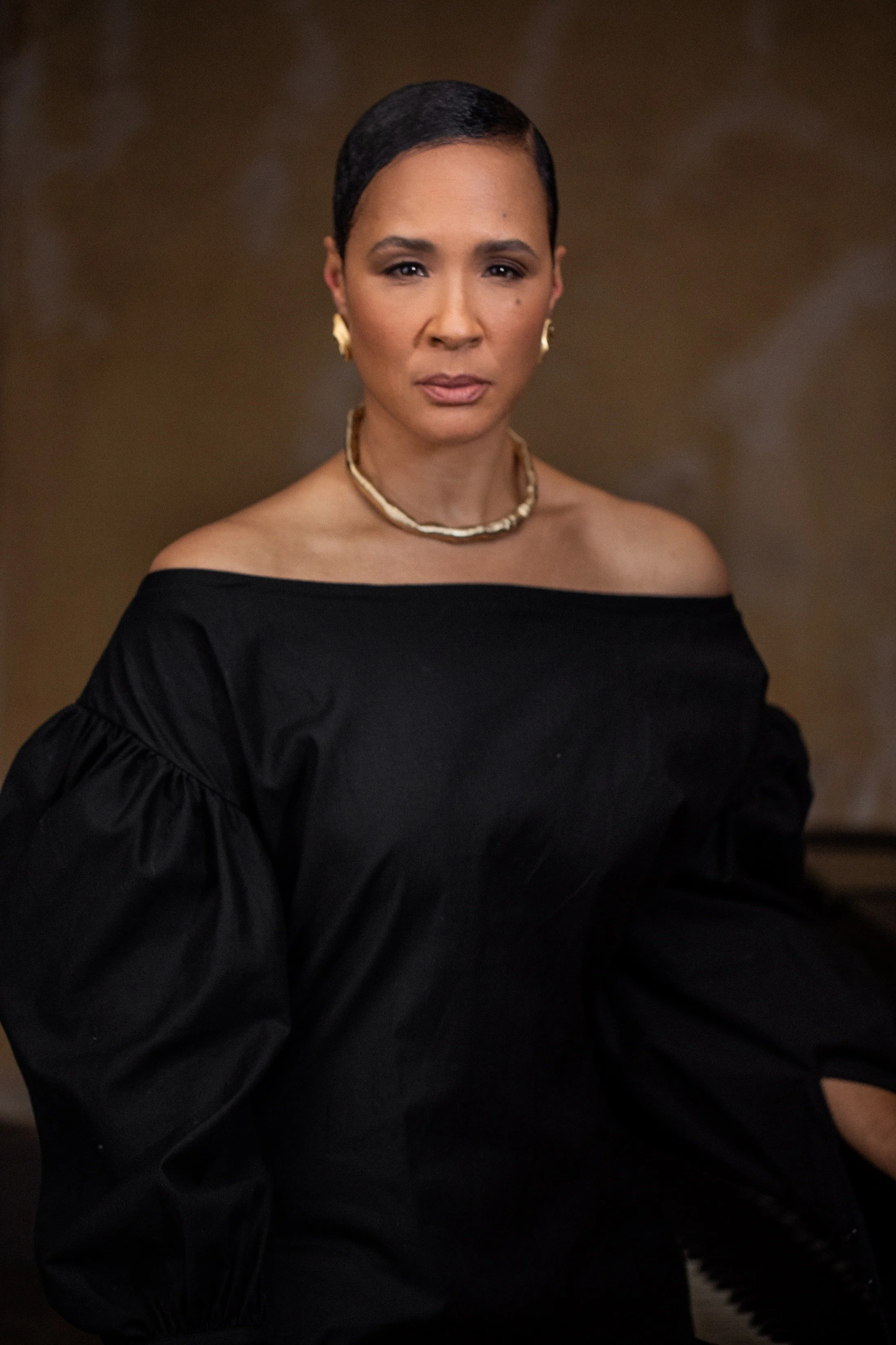
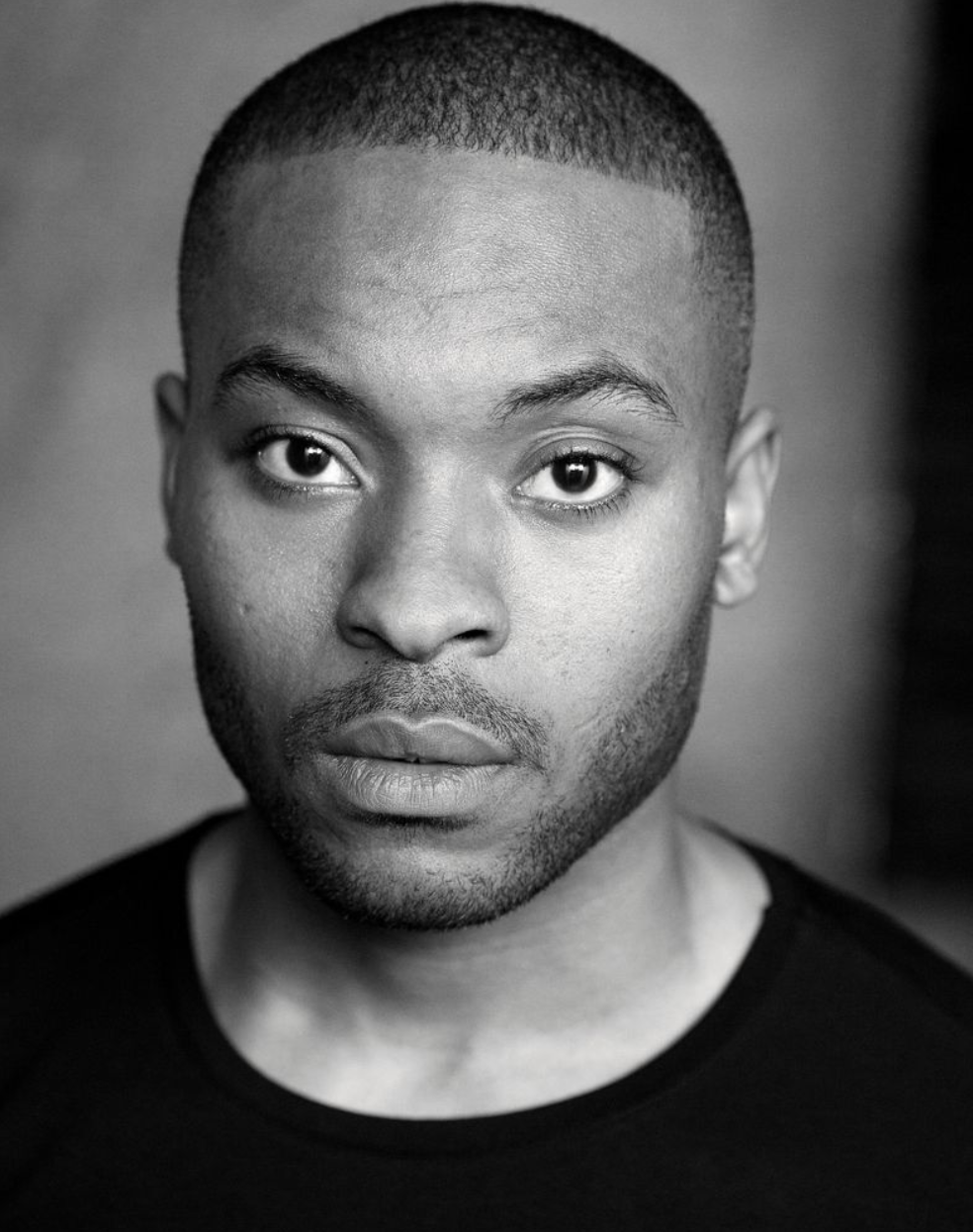

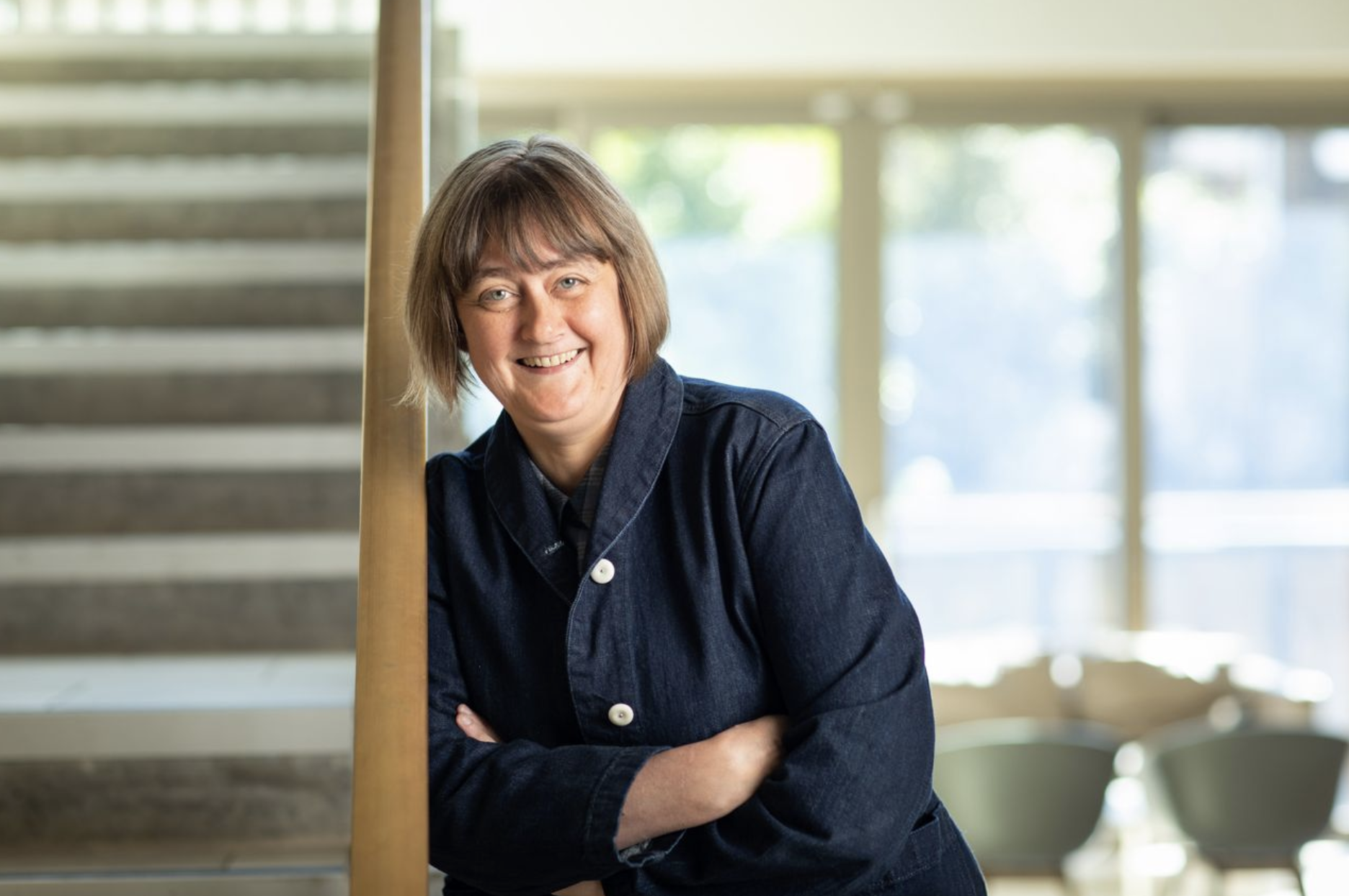
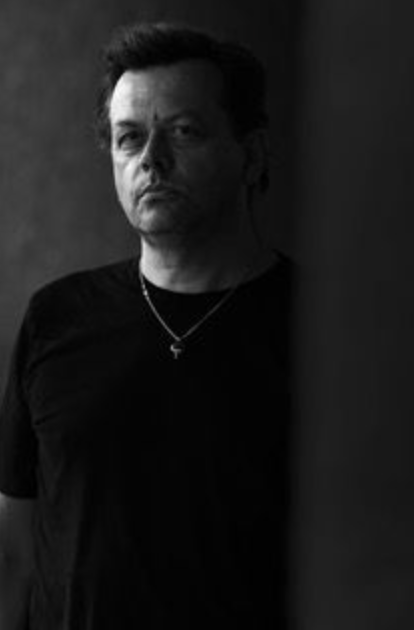
Photo credit by Rachel-Louise Brown
There is something almost disarmingly modest about An Ark, the new production premiering at The Shed—a work that arrives wrapped in the breathless language of technological breakthrough. Its creative team describes it, with a certain pride, as “the first play created for mixed reality,” a phrase that sounds less like a theatrical category than a dispatch from a laboratory. The producer, Todd Eckert, is quick to clarify what the piece is not. “An Ark is not a work of AI,” he insists. Rather, it might be more accurately regarded as a modest yet quietly radical reconsideration of how stories function at their most essentially human level—an attempt to strip the act of storytelling down to its emotional circuitry, and then rebuild it in a form that feels both startlingly new and curiously ancient.
Stripped of the rhetoric, the project might be understood more plainly as an experiment in intimacy: a new technological apparatus designed to bring the ancient act of storytelling closer—almost uncomfortably close—to its audience. To that end, the creators have assembled a remarkable quartet of performers, led by the incomparable Ian McKellen.
Though “led,” in this case, requires a small conceptual adjustment. Anyone hoping to glimpse the legendary thespian in the flesh will quickly discover that he is nowhere in the room. Neither, for that matter, are the other actors. Instead, audience members are fitted with specially designed optical headsets that allow them to perceive both the physical chamber they occupy and the digitally projected figures that materialize before them. Through the goggles, the actors appear as luminous presences—something like holograms—hovering so near that one feels tempted to reach out and test their substance. The initial effect is undeniably startling: these spectral performers seem to regard you with unsettling directness, their gazes landing squarely in your own.
Yet despite the novelty of what the creators call its “photonic” technology—developed by Eckert’s company, Tin Drum—An Ark is determinedly uninterested in technological spectacle for its own sake. The apparatus exists, its makers insist, simply to make storytelling more intimate. For the narrative itself they turned to one of the theatre’s most lucid chroniclers of interior life, the playwright Simon Stephens. Stephens, of course, is no stranger to technological staging. His stage adaptation of The Curious Incident of the Dog in the Night-Time—a production that went on to become a landmark of contemporary theatre—demonstrated his ability to locate the beating emotional core of a story even amid elaborate visual machinery. In An Ark, which runs a compact forty-seven minutes, he once again pursues a question of enormous philosophical weight: How do we live when we know that we die?
For answers—or perhaps simply for companionship in pondering the question—Stephens enlists an exceptional company. Alongside McKellen appear Golda Rosheuvel, Arinze Kene, and Rosie Sheehy, each delivering finely modulated performances that translate surprisingly well into this semi-virtual realm.
Under the conscientious direction of Sarah Frankcom, the experience begins before a single line is spoken. Audience members must first surrender their coats and—more unusually—their shoes, depositing them in cubbies like schoolchildren before gym class. The performance space is arranged in concentric rings of seating around a glowing orb at the center of the room. Each chair holds its headset, waiting patiently for its occupant. Once the device is donned, four small white chairs appear in front of you—digital apparitions hovering within the physical space. Then, from somewhere just behind your shoulder, the actors arrive—barefoot themselves—and settle into those chairs. They begin with a gentle imperative: “Don’t panic.”
What follows unfolds less like conventional dialogue than like chamber music rendered in speech. The performers trade lines in rhythmic alternation, their voices weaving together in second-person narration that guides the audience through the entire arc of a human life. Stephens moves fluidly between the cosmic and the quotidian. At one moment, a character muses: “If I told you all the things you have ever known have existed in the dance between the neurons in your mind, would you believe me?” At another, the scale narrows charmingly: “On the day you are born there is a rainbow in the sky to the west of the hospital.”
Time advances in irregular leaps. The voices comment on the strange milestones of existence—falling in love at twenty-five, discovering an unexpected joy in gardening at fifty-two, confronting the persistent absurdity of other people. Occasionally the narrators address one another; more often they speak directly to you, folding the audience into the text’s philosophical inquiry.
At moments the piece glows with the vibrancy of profound truth; at others it risks drifting toward a kind of gentle platitude. The aesthetic restraint may also surprise those expecting a technological extravaganza. The visual effects remain deliberately spare. Therein lies the premise. The project’s ambition is not technological superiority; it is collective presence. The removal of shoes, we are told, is meant to heighten our awareness of one another in the shared room—a small ritual of vulnerability before entering this hybrid space between physical and digital.
Whether the experiment fully succeeds will vary from viewer to viewer. An Ark is, after all, an inaugural voyage: a high-tech existential experiment still testing its instruments. Yet for all the discussion of headsets and holograms, the evening ultimately reaffirms an old theatrical truth. Strip away the gadgetry and you still have the act of theatre—and here, beneath that circuitry and those glowing pixels, we find a disarmingly tender and illuminating play.
Click HERE for tickets.
Review by Tony Marinelli.
Published by Theatre Beyond Broadway on March 10th, 2026. All rights reserved.
