Induction
Written by Lawrence Hennessy. Directed by Tiffany Bartholomew.
Presented by Lawrence Hennessy.
Presented by the New York City Fringe Festival
April 4 at 5:20 PM, April 5 at 7:00 PM, April 11 at 3:40 PM, April 17 at 6:00 PM, April 18 at 8:40 PM, 2026.

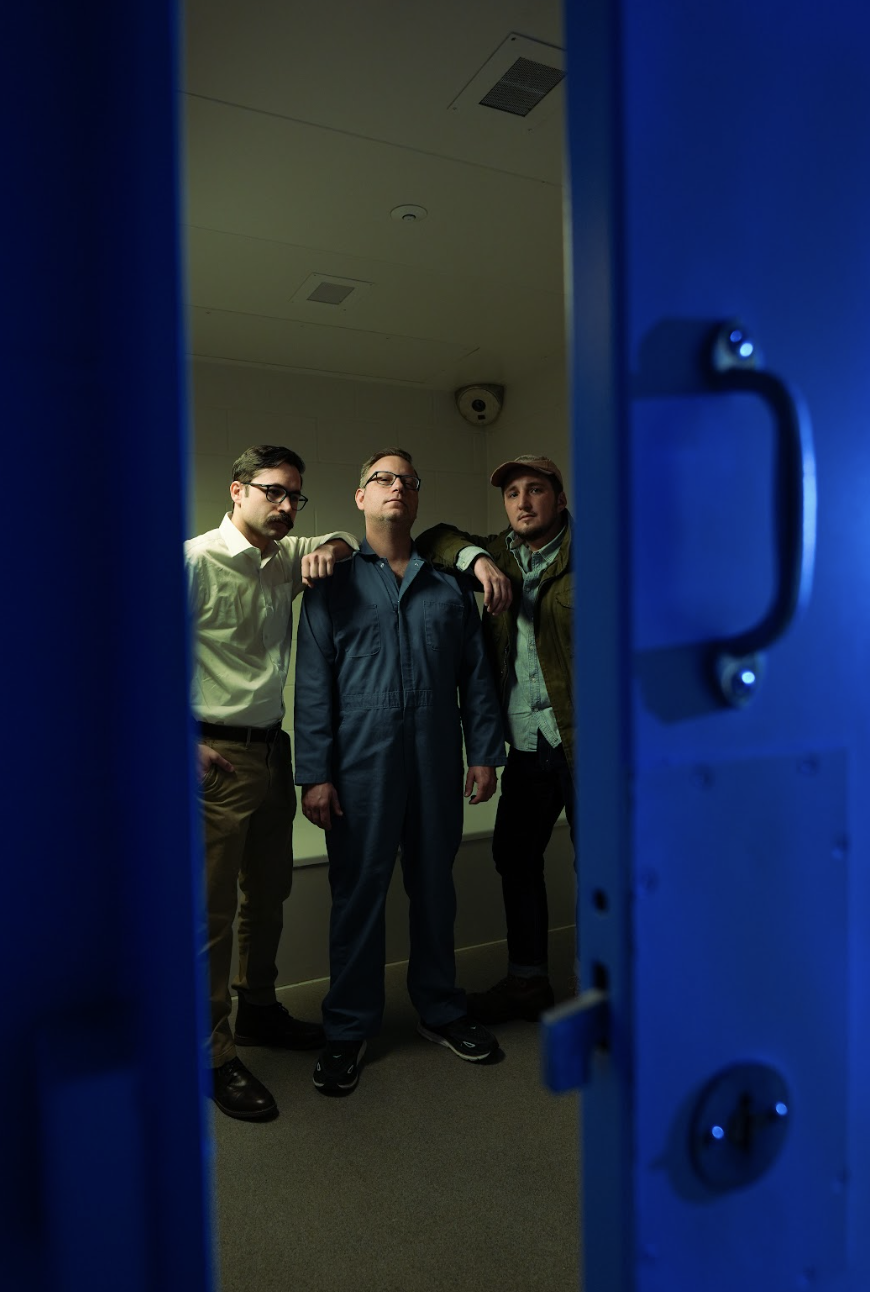
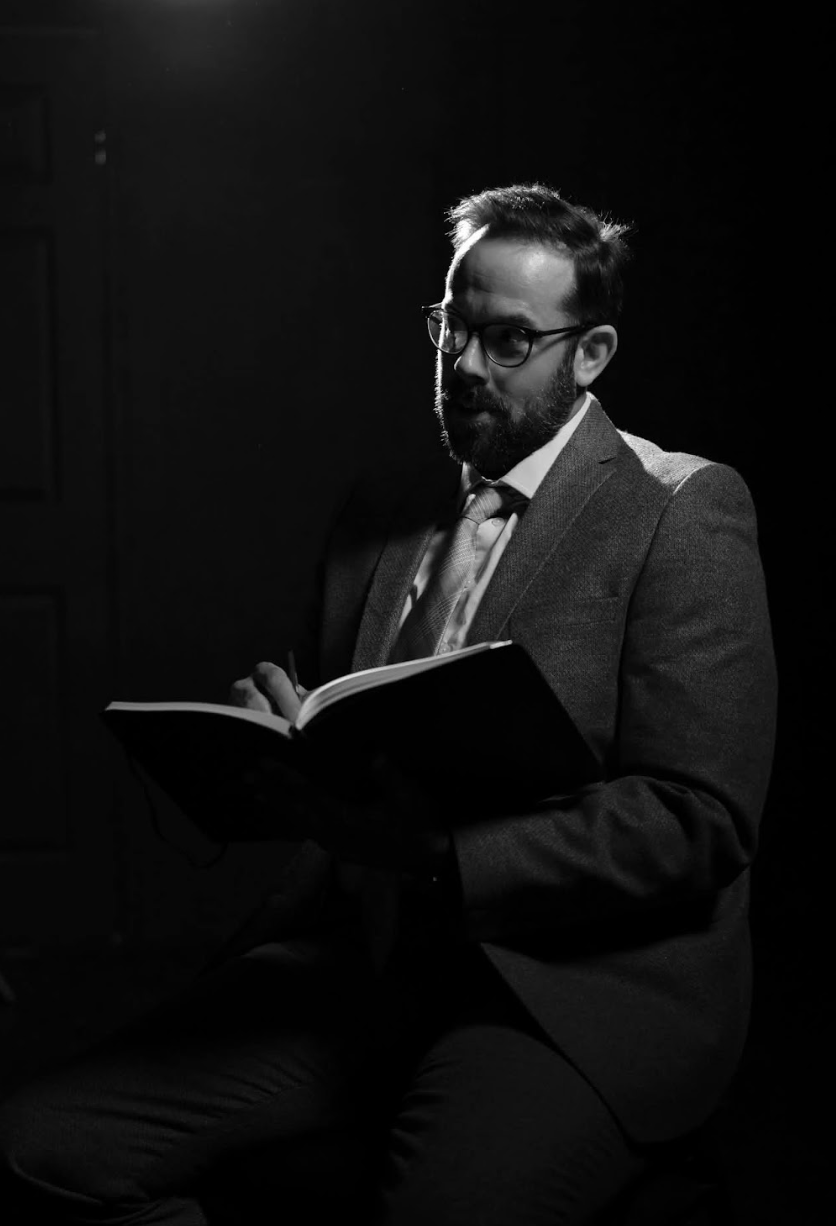
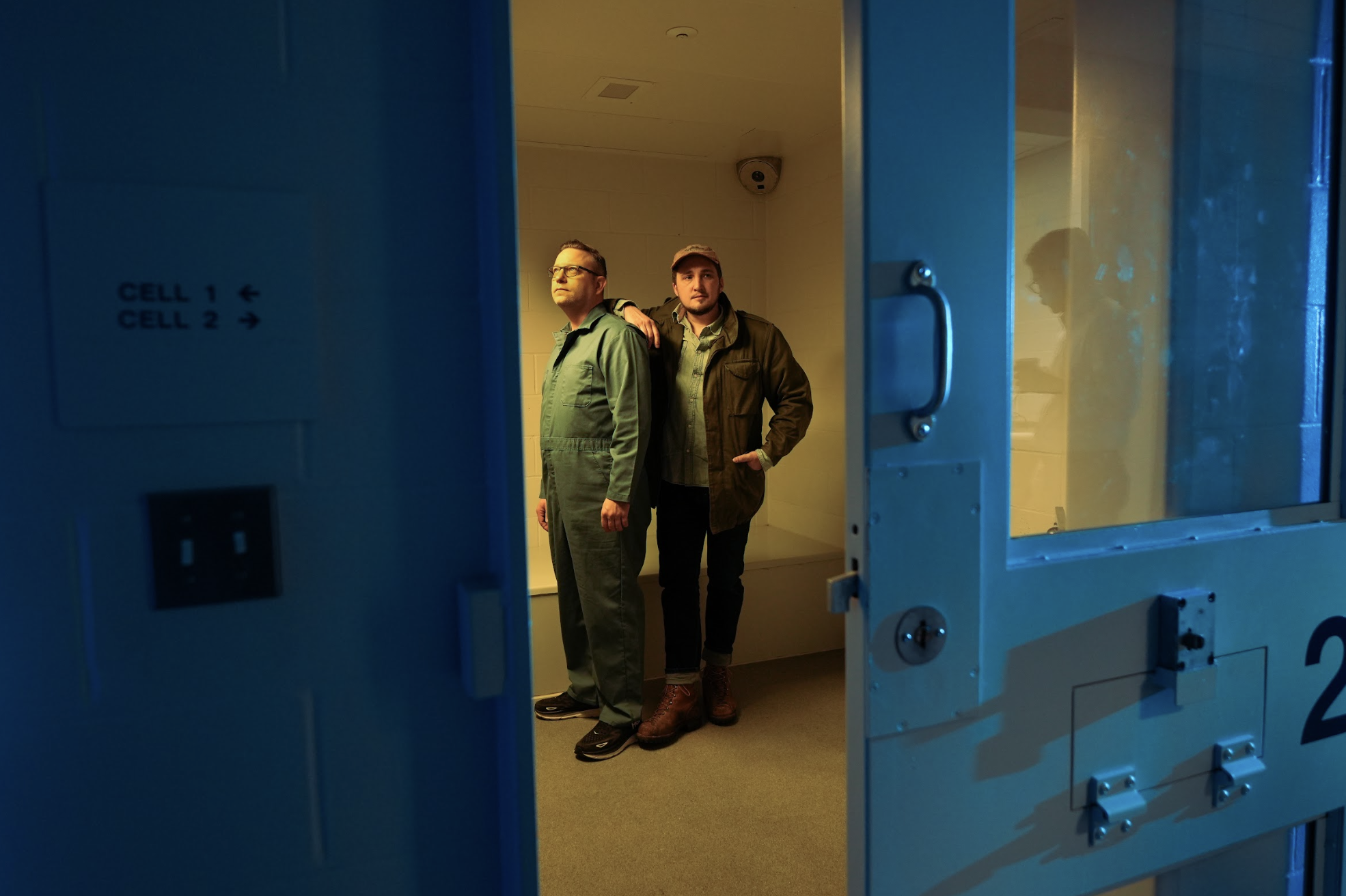
Lawrence Hennessy is a licensed psychologist in private practice in Rockport, Massachusetts, who has been writing plays for more than 25 years and has thirteen produced works to his name, including productions at Gloucester Stage and the Actors Studio of Newburyport. That history matters. In Induction (the term for bringing a subject into a hypnotic state), a state penitentiary psychiatrist (Adam Bere) uses hypnosis on a prisoner awaiting trial for the assault and attempted murder of a young boy. The sessions surface three alters: Irene, the superego (Clodagh Bartholomew), Martin, the ego (Stefan Tsiplakis), and Brandon, the id (Mike Quill). Using the Freudian tripartite structure as a clinical map of a fractured identity is a formally inventive choice, and the psychological credibility Hennessy brings to the premise as a practicing clinician is evident throughout.
The territory has been richly explored in film and television, among them The Three Faces of Eve, Split, Moon Knight, Mr. Robot, and the long shadow of The Strange Case of Dr. Jekyll and Mr. Hyde, but has landed far less often in live theater. Taking on dissociative identity disorder (DID) as theatrical subject matter is a formal risk, and the structural challenge inherent to that choice is real: the device that makes this material so effective on screen (the revelation as inciting incident, suspense as propulsive engine) resists direct translation to a theatrical form where an audience has time to reason ahead. Theatergoers fluent in the genre’s conventions will likely intuit the play’s destination before the script arrives there. Dramatic irony has its own theatrical life; what the script has not yet fully resolved is how to make that irony do productive work once it settles in.
Tiffany L. Bartholomew, who has directed Hennessy’s work since 2018, brings real familiarity to the material and stages the hypnosis sequences with clarity. The production’s psychological tone is consistently sustained. The more resistant challenge is structural: the motivational triggers for each alter’s appearance would benefit from more precisely drawn theatrical precipitants, particularly the id alter’s entrance, which the script frames as a seismic event but whose specific cause within the scene could be made more dramatically legible. The play’s deliberate pacing is purposeful, but sharpening those trigger points would give the audience something more to hold as the burn proceeds.
Commitment to the material is evident throughout the ensemble. The production finds its best footing in the more contained psychological exchanges, where the cast’s investment in the interior stakes of the play comes through most clearly. The larger emotional escalations ask for a more precise calibration to Chain Theatre’s intimate space: there are moments where sitting fully inside the scene, rather than anticipating its next beat, would deepen the effect considerably.
For audiences drawn to psychological drama with a genuine clinical foundation, Induction offers something rarely available: DID as a theatrical subject, written from inside the clinical experience rather than from a distance. Thirteen produced plays over 25 years, written by someone who has spent a career working with the minds these characters represent, is a body of work worth taking seriously. The structural work that would fully close the distance between this premise and its realization is well within reach.
Click HERE for tickets.
Review by Ariel Estrada.
Published by Theatre Beyond Broadway on April 19, 2026. All rights reserved.
