
YOUTH IN FLAMES
Presented by Dare Theatre and Richard Jordan Productions
In association with Lawrence Batley Theatre & Pleasance Theatre
As part of 59E59’s Brits Off Broadway 2026
Written and Performed by Mimi Martin
Directed by Jessica Whiley
59E59 Theaters, Theater C, 59 East 59th Street, in Manhattan
June 10, 2026 - June 28, 2026
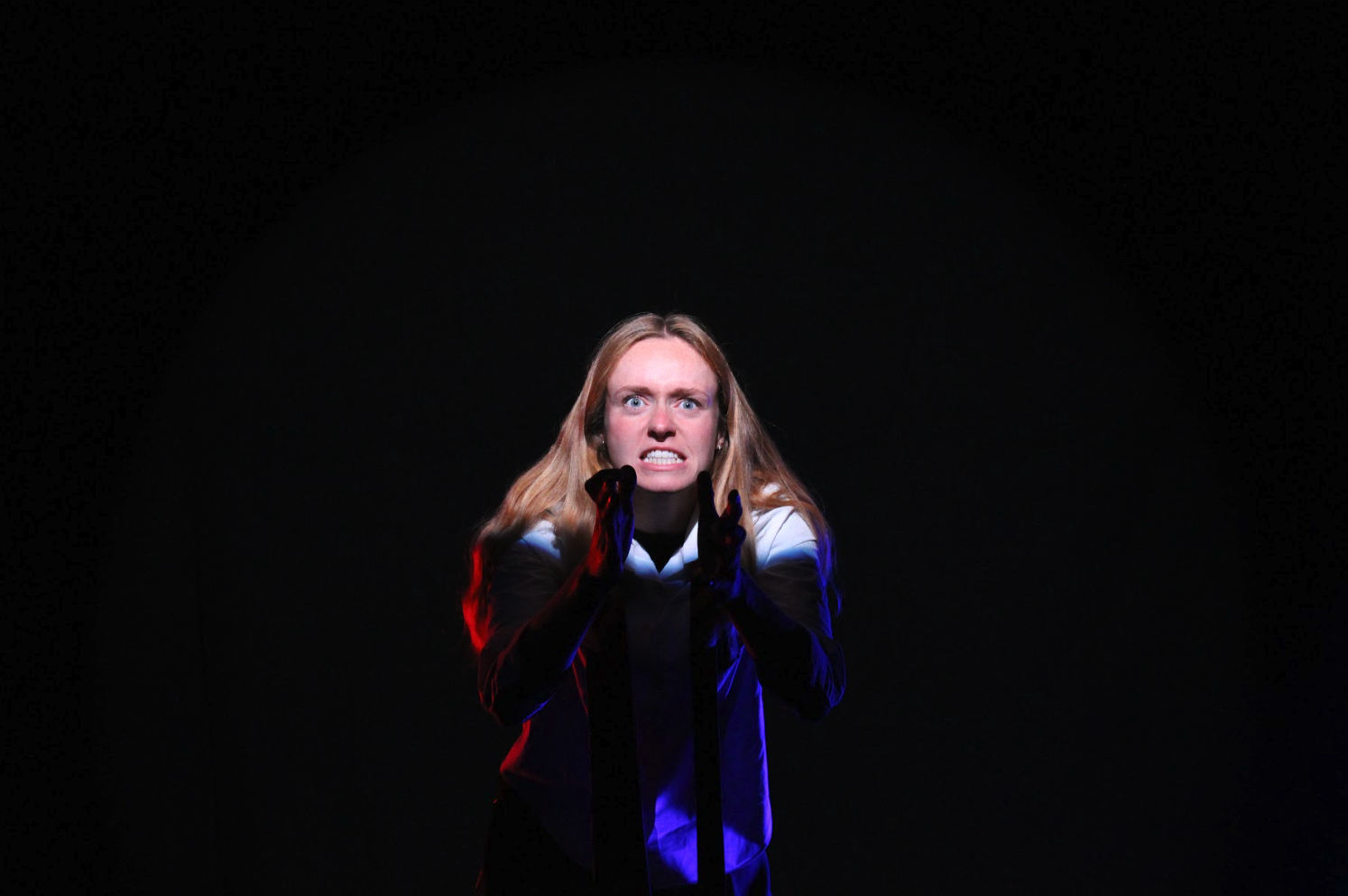
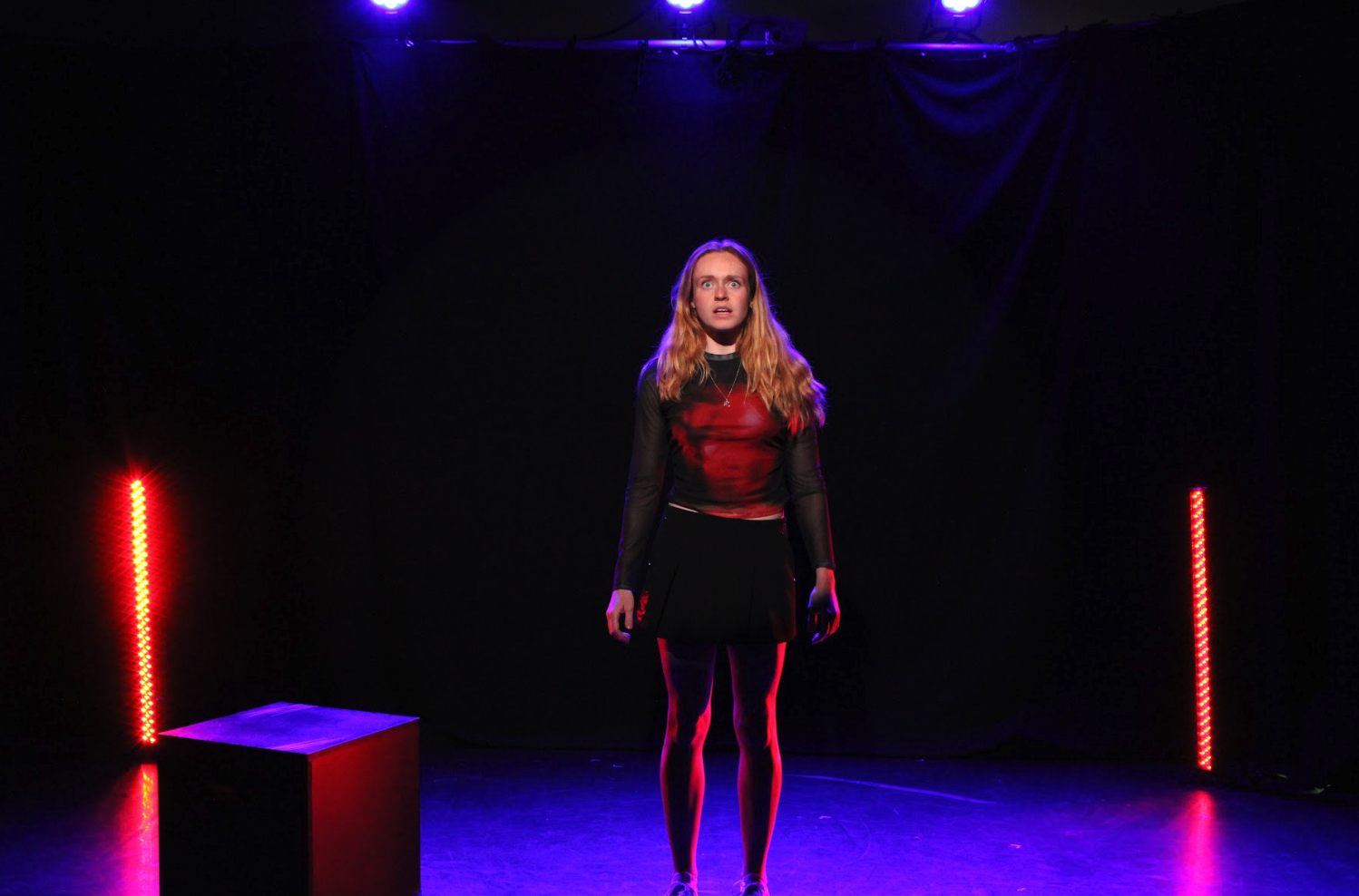
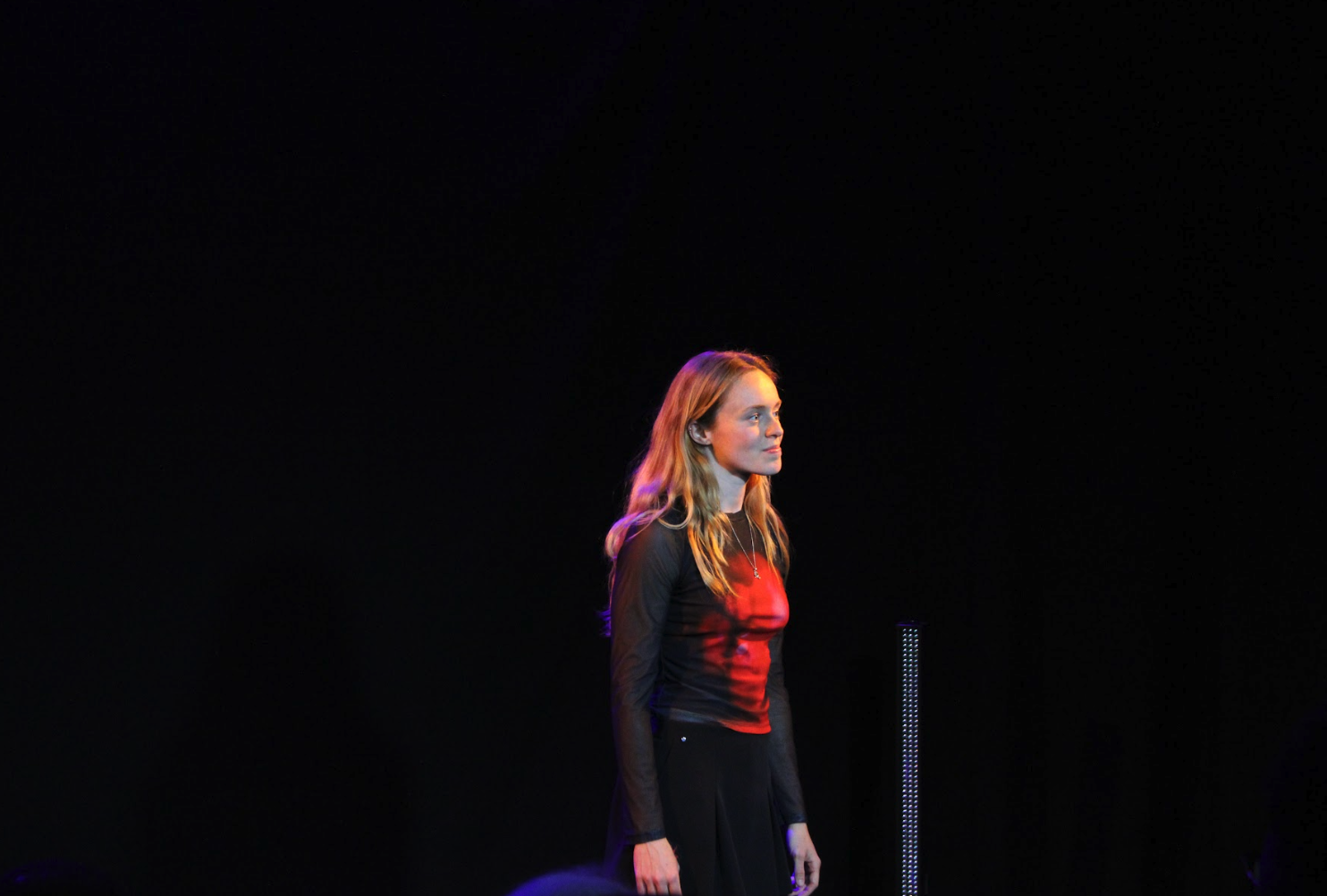
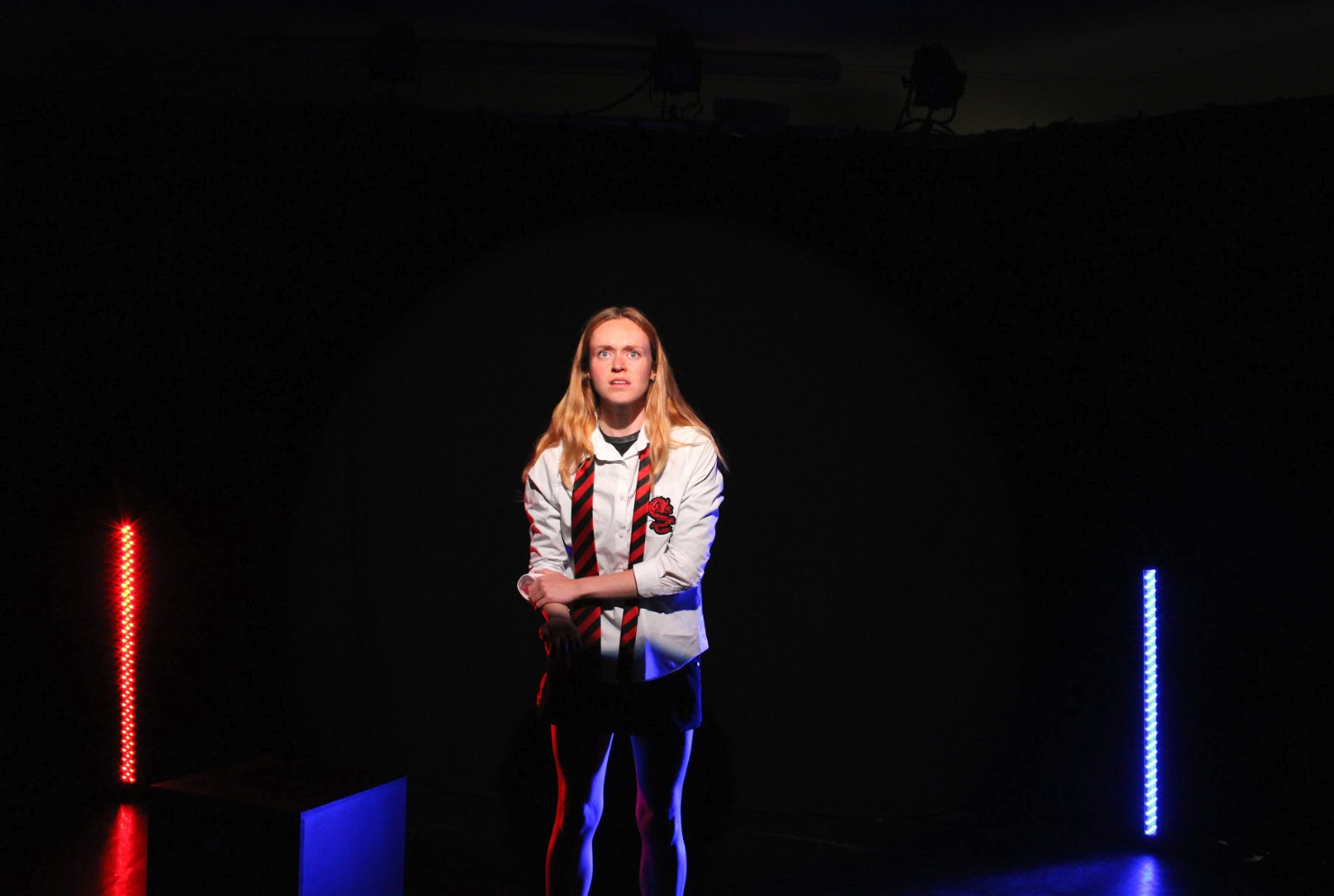
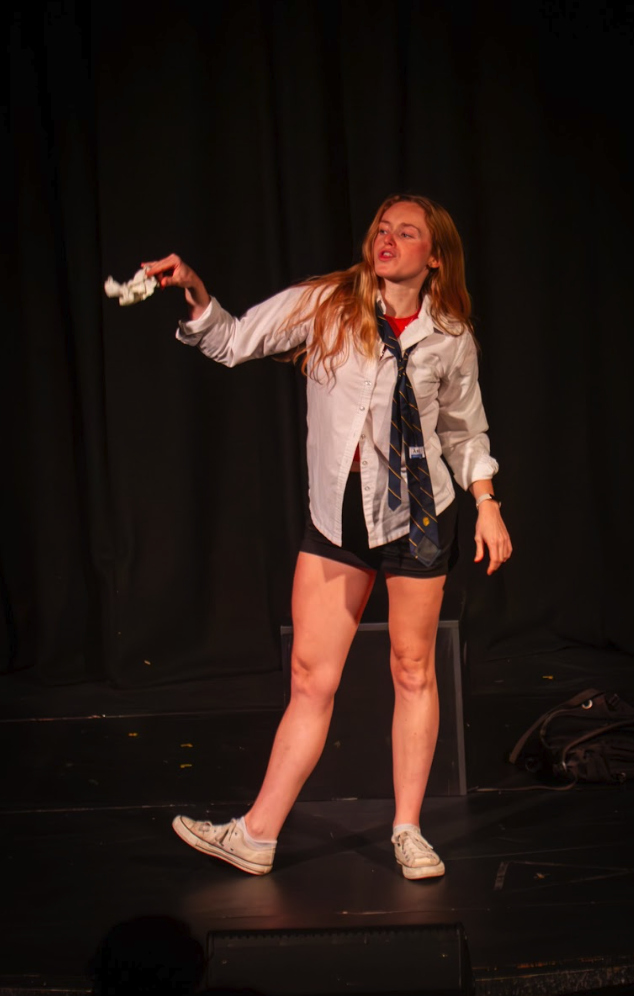
Photo credit by Beckett Guimaraes-Tolley
Millie, the restless British teenager at the center of Youth in Flames, begins Mimi Martin’s remarkable solo play convinced that life is something to be sampled rather than examined. Raised amid the transience of expatriate privilege and largely left to her own devices by globe-trotting parents, she drifts through Hong Kong in a haze of schoolyard mischief, nightclub adventures, and adolescent self-absorption. Yet Martin’s beautifully crafted drama, directed with precision and urgency by Jessica Whiley, charts the slow collapse of that insulation. Against the backdrop of the 2019 Hong Kong protests, a young woman who imagines herself a citizen of everywhere gradually discovers the responsibilities that come with belonging somewhere.
The achievement of Youth in Flames lies in its refusal to reduce either its politics or its protagonist to easy certainties. The demonstrations against the Extradition Bill—and the broader struggle over Hong Kong’s future—are not presented as distant historical events but as forces that penetrate the consciousness of someone who initially has little interest in them. Millie’s closest friend, Jesse, is drawn toward the student movement while she remains more concerned with sneaking drinks and chasing excitement. Martin wisely understands that political awakenings rarely arrive fully formed. They emerge through friendship, fear, guilt, and personal loss. By allowing Millie to begin as impulsive, reckless, and occasionally exasperating, Martin makes her eventual transformation feel not merely convincing but genuinely moving.
The writing is rich with the contradictions of third-culture identity. Millie occupies an uneasy space between privilege and alienation, simultaneously advantaged by her Britishness and estranged from the city she calls home. At school she is mocked for her inability to define where she belongs; elsewhere she is dismissed as a gweilo, a foreign outsider. Martin navigates these tensions with admirable honesty, never claiming ownership over a story that is not entirely hers while still illuminating the peculiar loneliness of growing up between cultures. The result is a coming-of-age narrative that expands into something larger: an inquiry into citizenship, responsibility, and the fragile relationship between identity and place.
Martin proves an enthralling storyteller. Alone onstage, she conjures an entire city. With subtle shifts of posture, accent, rhythm, and expression, she populates the narrative with classmates, parents, bartenders, teachers, and activists. The transitions are so fluid that one scarcely notices them occurring. More impressive still is her command of tone. Moments of adolescent comedy dissolve seamlessly into scenes of dread; youthful bravado gives way to confusion, terror, and grief. Throughout, Martin remains astonishingly present, forging an intimacy with the audience that makes the performance feel less like a monologue than a confidante’s urgent recollection.
The production’s design elements operate with equal intelligence. Guy Martin’s sound design transforms the modest playing space into a city on the brink. Chants of “Free Hong Kong!” swell through the theater while police announcements crackle ominously overhead. Radio broadcasts in English and Cantonese punctuate the action, reminding us how language itself becomes a battleground during moments of political upheaval. The effect is immersive without becoming overwhelming, situating Millie’s personal story within a larger historical reality.
Ciara Moss’ lighting design is equally evocative. Strobing flashes plunge us into the sensory chaos of demonstrations and late-night clubs, while quieter scenes unfold in pools of shadow and isolation. The visual vocabulary is strikingly expressive, capturing both the exhilaration of youthful freedom and the encroaching atmosphere of surveillance and repression. At times the stage seems to pulse with the nervous energy of a city fighting for its future; at others it contracts into a solitary space of reflection. Few “fringe” productions achieve such a potent marriage of form and feeling.
What lingers most, however, is the play’s emotional clarity. Martin understands that no single theatrical work can encompass the totality of the Hong Kong protests. Rather than attempting an impossible survey, she focuses on one young woman’s awakening and, through that lens, evokes the broader stakes of a society under pressure. Jesse’s journey, and the sacrifices demanded of those who choose resistance over comfort, lend the play its moral gravity. The political becomes personal, and the personal becomes political, without ever feeling didactic.
By the end of Youth in Flames, one has the sense of having witnessed both a city and a consciousness transformed. The play serves as a testament to the power of memory, storytelling, and civic engagement, rescuing a recent history from the fog of forgetfulness while exploring the universal search for home. Martin’s writing is incisive, Whiley’s direction assured, and the performance itself nothing short of incandescent. Rarely does a solo show feel so expansive. Rarer still is one that leaves the audience simultaneously enlightened, unsettled, and deeply moved. Youth in Flames burns with intelligence, compassion, and conviction long after its final moments fade to black.
Click HERE for tickets.
Review by Tony Marinelli.
Published by Theatre Beyond Broadway on June 24, 2026. All rights reserved.
