
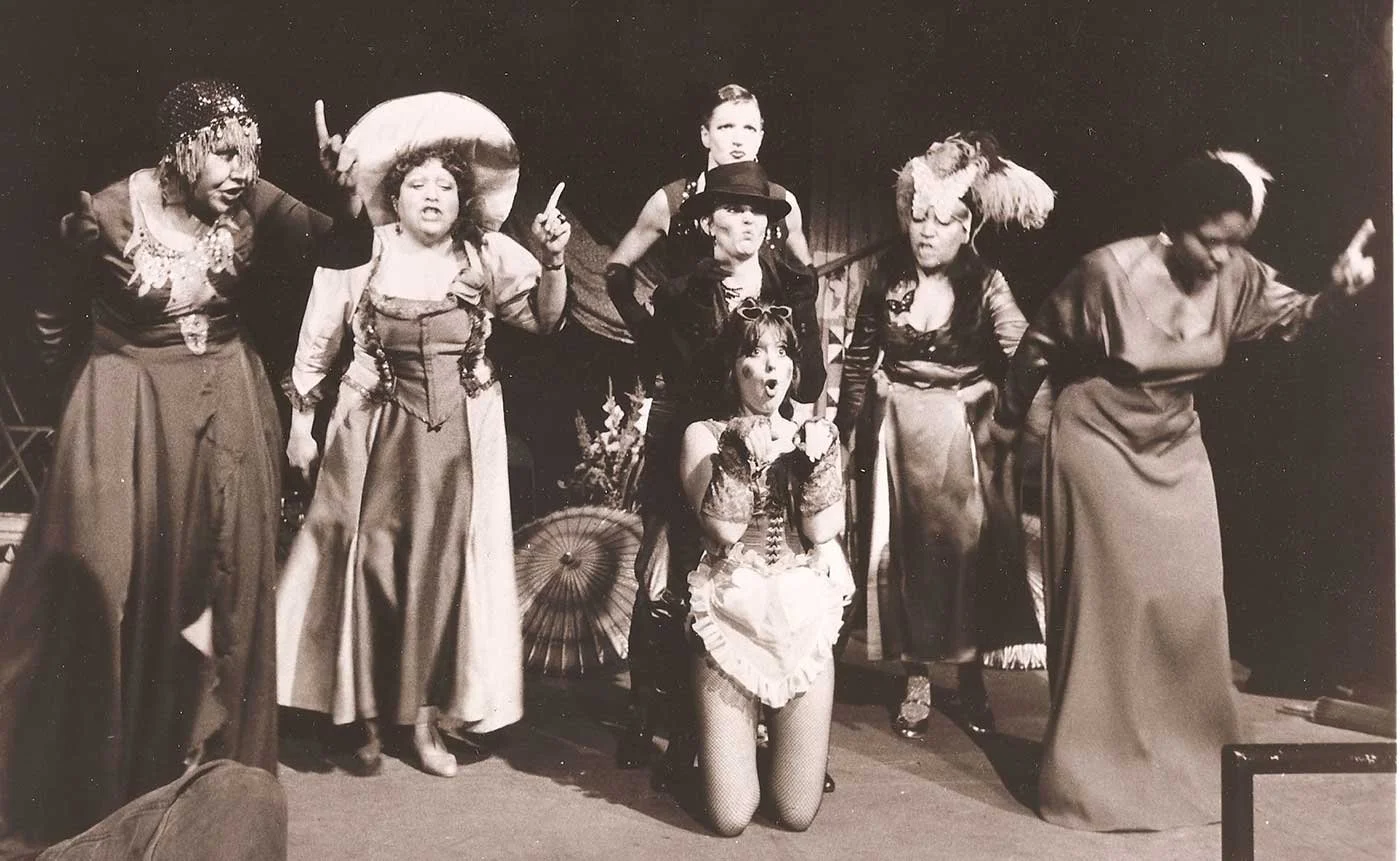
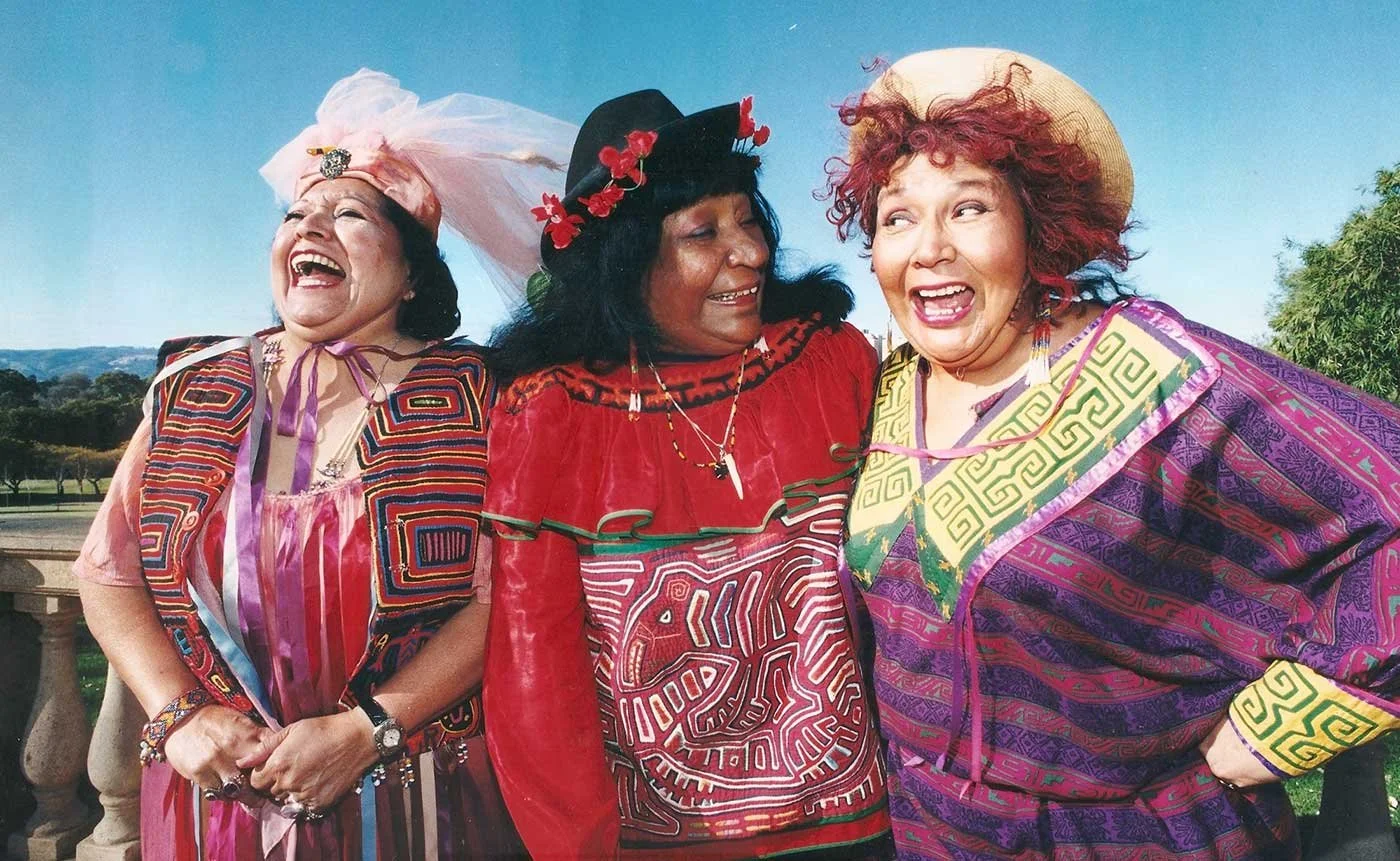
I love a legacy especially in the world of theatre. I love a legacy that is profound within the BIPOC theatre community. It has taken time for some voices to become part of the narrative but Spiderwoman Theater has created space for the last 50 years for the Indigenous voices. Founded in 1976 by Muriel Miguel, a Brooklyn-born artist of Guna and Rappahannock Nations, the company has become a pioneering force in Indigenous theater, centering the voices and experiences of Indigenous women while challenging cultural stereotypes, sexism, and racism. This fall, La MaMa joins Spiderwoman Theater in celebrating its 50th anniversary with the Global Indigenous Theatre Festival, bringing artists from Australia, Aotearoa New Zealand, Canada, and Minneapolis to New York City. In this conversation, Spiderwoman Theater reflects on its evolving artistic legacy, the enduring practice of storyweaving, and the importance of creating space for Indigenous artists to tell their stories on their own terms.
Spiderwoman Theater celebrates its 50th anniversary this year as the oldest continually running Native feminist theater company in the Americas. Looking back to 1976, what inspired the founding of the company, and how has its mission evolved over five decades of artistic practice and activism?
The impulse to create Spiderwoman Theater came from Artistic Director and Open Theater alumnus Muriel Miguel. Muriel is Native American from the Guna and Rappahannock Nations and Brooklyn born. She saw anger in the women around her and felt a need to transform that anger into something meaningful. Storytelling was in her bones and a powerful way to connect with others. She brought together a diverse company of women - performers and cultural artists to create a unique performance to address abuse and violence against women. Departing from mainstream theater practice, the performers wrote and performed their own personal stories, exploring gender roles, cultural stereotypes, sexism and racism. The work was accessible and woven with humor, popular culture and personal histories.
Muriel’s sisters Gloria Miguel and Lisa Mayo were original members of Spiderwoman. In the early 80's, the Native American community urged Spiderwoman to “come home”, to perform and work in their own community. The company had changed and so the stories and the work naturally became Native American focused. Indigenous women artists were the core, their stories were “by us, for us”. They became a voice for Indigenous communities worldwide, in particular women artists. Their impact is deep, widespread and a call to action and they have been foundational to the growth of the global Indigenous theatre movement of the last fifty years.
Spiderwoman Theater developed a distinctive approach called “storyweaving,” layering personal and traditional stories with movement, text, sound, music, and visual imagery. How did this artistic language emerge, and what makes it particularly powerful for telling Indigenous stories and exploring questions of identity, culture, and self-determination?
Storyweaving, as a mode of performance-creation for the contemporary stage was authored by Muriel Miguel and developed by Spiderwoman Theater over the half-century of its existence. Storyweaving is a distinct methodology that governs the creation, dramaturgical structuring, and performed transmission of this company’s play texts on the contemporary stage. However, the Storyweaving methodology predates written history. It has been (and remains) specific to tribal storytellers across this continent, unfolding in each nation in unique and varied ways. The mechanics of Spiderwoman Theater’s storyweaving methodology are rooted in narrative and linguistic structures, aesthetic principles, and cosmological understandings specific to the lifeways and oral traditions of the Dule Gaya (people of Guna Yala). These aspects of artful expression that direct ceremonial praxis and quotidian life are part of the rich legacy carried to these shores by the Miguel sisters’ Guna father and uncles and passed on to them by these Guna knowledge keepers. The work of Spiderwoman Theater over the past half-century constitutes a bold reclamation, fierce celebration, and careful stewardship of this aesthetic legacy. Through careful distillation and care-filled adaptation of these traditional structures and aesthetic principles, Spiderwoman has devised a creative methodology that is rooted in Guna tradition for the contemporary Indigenous theater-maker whose work unfolds on the public stage. More importantly, perhaps, this methodology facilitates the story-ing of Guna futures for those descendants still in Guna Yala or those navigating life in the diaspora. Spiderwoman Theater’s work, then, is a crucial act of recovery, which imagines and architects a functional framework for a Poetics of Re-worlding. And this work, inspired by the troupe’s methodology is being adopted and adapted by artists from myriad nations to create works (on the page and stage)
The Global Indigenous Theatre Festival brings artists from Australia, New Zealand, Canada, and Minneapolis to New York, creating a space for diverse Indigenous voices and performance traditions. What conversations or connections do you hope will emerge from this gathering, and what does it mean to celebrate Indigenous artistic excellence on an international stage?
Gatherings such as this provide the opportunity for Indigenous artists from abroad and Indigenous artists based in NYC to converse about their creative processes, cultural practices in their work and communities, and philosophies about touring and outreach to other Indigenous communities. In the collaborative exercise of reflecting with utmost rigour and honesty on questions such as those that follow, this gathering provides participating artists the opportunity to co-create (k)new knowledge and to deepen relational ties. Questions that may come up for discussion are these: How might geography impact our common and /or varied views of the world? What obstacles do we face as Indigenous artists? What crises do we confront in our work today? What do our communities (for whom we make our work) require of us? Where do our concerns and artistic objectives converge? What triumphs might we share and celebrate at a gathering such as this?
This is New York City, the biggest stage in the world! In a city where Indigenous voices go largely unheard and unseen, these companies, whose work is outstanding, deserve to stand on our stages and to share, through the stories they perform, the artistry, beauty, and age-old wisdom, of their nations with the many peoples who have built lives and made their home on Indigenous lands.
The festival's 50th-anniversary gala honors Spiderwoman Theater's history while recognizing the next generation of artists carrying its legacy forward. What do you hope emerging Indigenous artists will take from Spiderwoman Theater's journey, and what responsibility do independent theatres and presenting organizations have in ensuring Indigenous stories continue to be seen, heard, and supported?
Indigenous artists will know they have agency, they have the right to own their stories, they are the drivers of their creativity and art. The message we strive to convey to them is this: Do not be fearful. Step out boldly and do your work. And do that work on your own terms.
Independent theatres and presenting organizations have the responsibility to view all voices equally and to give Indigenous artists the opportunity and equal access to resources that they provide other artists.
Details on the Global Indigenous Theatre Festival
Kōpū
Te Pou Theatre
Aotearoa – New Zealand
October 30, 31 at 7:00 PM; November 1 at 2:00 PM
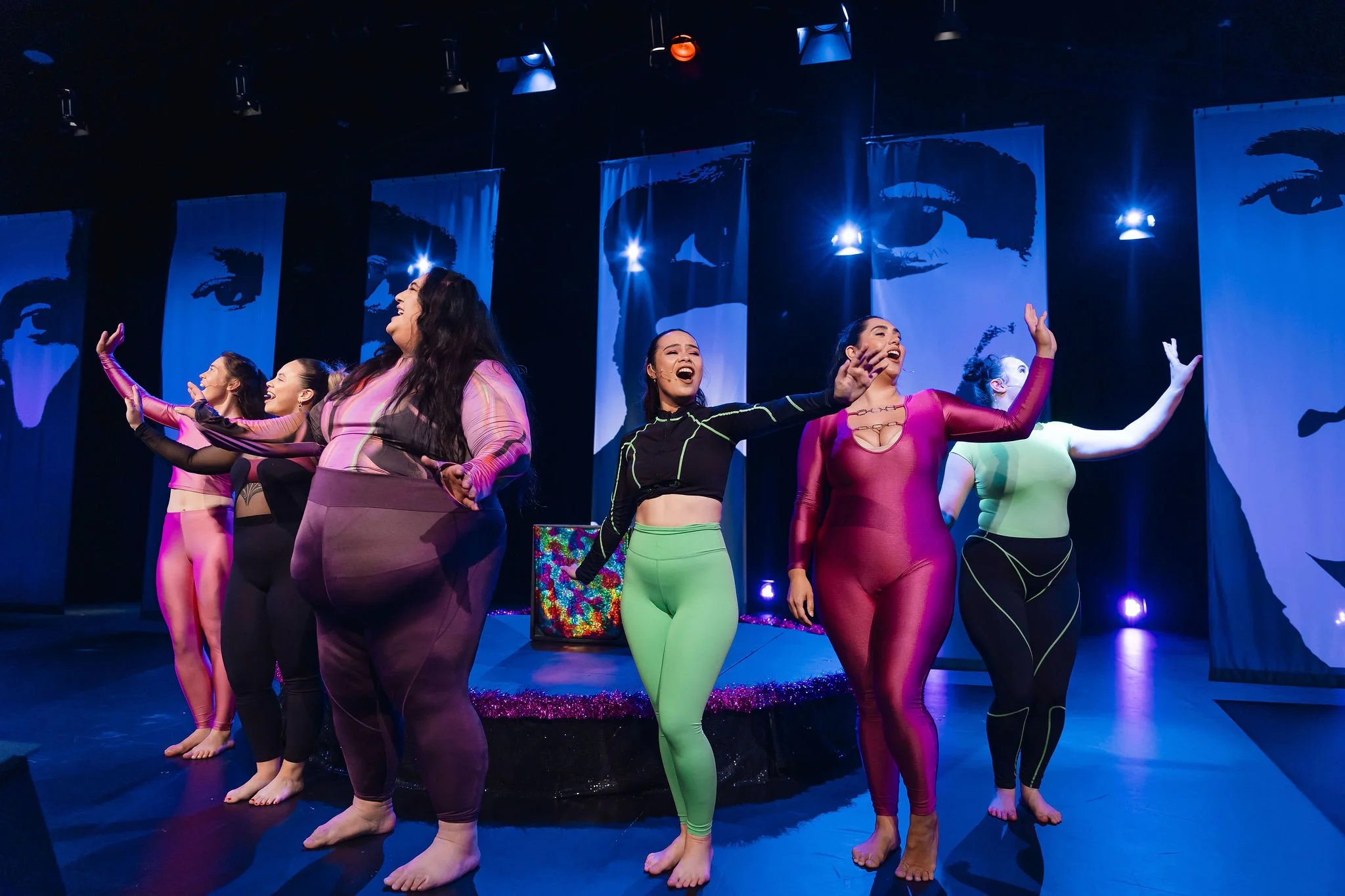
The wāhine of Kōpū weave live music, performance, poetry, and poi through a hilariously honest, no-holds-barred account of their femininity on their own terms. Kōpū invites you into a cheeky ballad of a show, sharing the songs of our young wāhine Māori as they navigate this world – hairy nipples first – following in the footsteps of our naughty nannies from the marae (traditional houses) Multi-talented performers weave live music, performance, poetry, and poi through a hilariously honest and no-holds-barred account of their experiences of wāhinetanga womanhood now; the day-and-night duality of being fiercely everything at once.
Te Pou Theatre is a kaupapa Māori performing arts company and venue for all that supports the presentation and development of contemporary and community performing arts locally, nationally and internationally from its home in Waitākere, Tāmaki Makaurau. Te Pou Theatre was named in 2015 in a collective national process where Māori artists from around the motu put forward name options which were decided on by kaumātua in the industry. Te Pou stands as a support post for Māori performing arts in Aotearoa. www.tepoutheatre.nz
Invisible Shadows
Ikidowin Theater Ensemble
Minneapolis, MN
October 30, 31 at 8:30 PM; November 1 at 4:00 PM
An authentic and honest story of growing up in the urban Indigenous community amidst an opioid epidemic. Written by Sharon Day and directed by Sir Curtis Kirby, Invisible Shadows centers on youth who participate in community prevention programs and struggle with addiction issues in their homes and communities. Their hopes and dreams collide with learning their cultures and family and community misuse of alcohol and drugs. A reoccurring question is – Can one spirit tell another what to do?
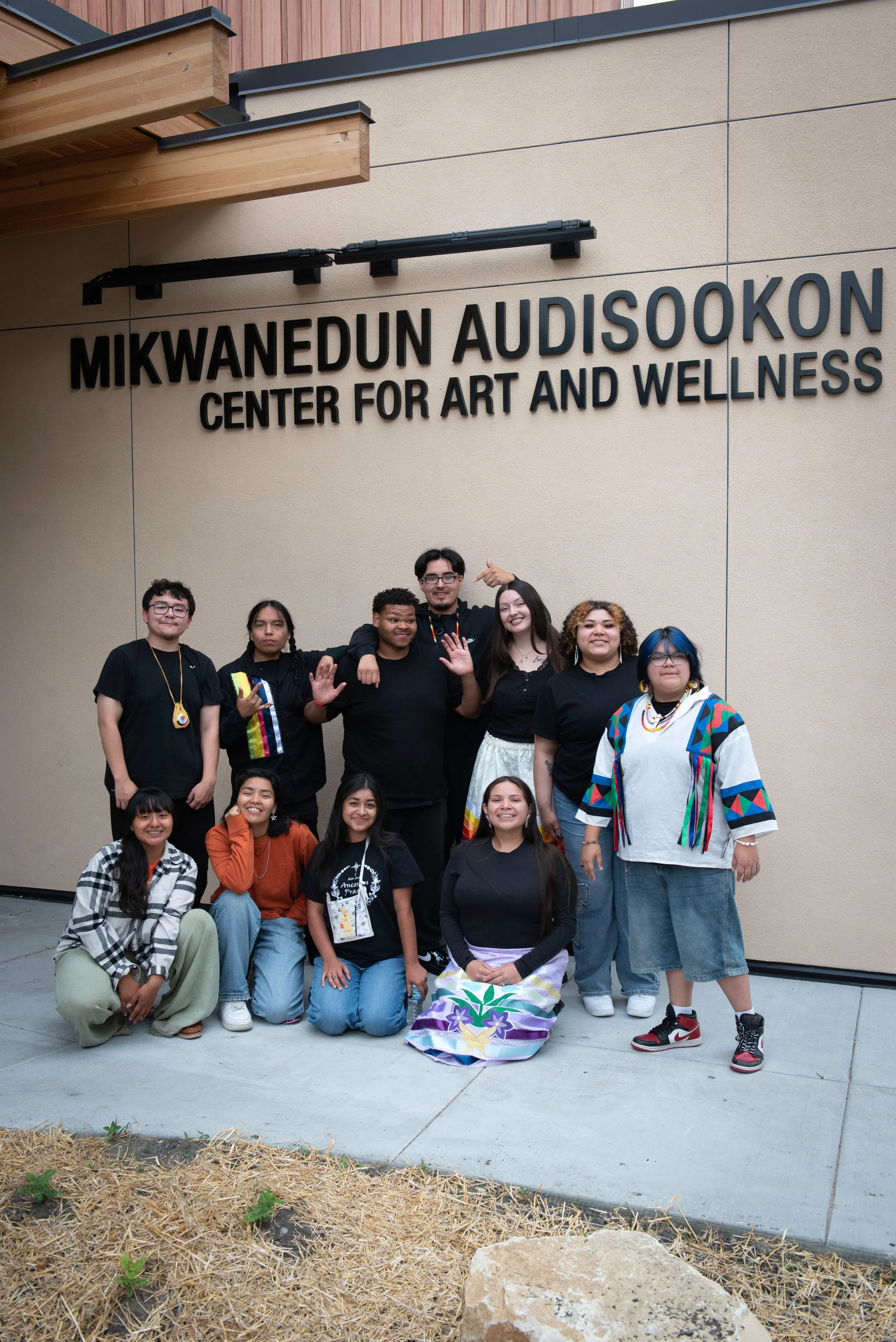
The Ikidowin Theater Ensemble is composed of Indigenous actors who tell the stories of their lives. Some of the actors came into the ensemble as young as 11 years old. They learn the craft of acting and learn to tell the stories through song and with an Indigenous lens. Originated in May of 1990, their teachers include Spiderwoman Theater, Pangea World Theater, Illusion Theater, dancers and Indigenous story tellers from various tribes.
Maayuma li Mubirr (Healing Scars)
Moogahlin Performing Arts
Australia
November 4, 5, 6 at 7:00 PM
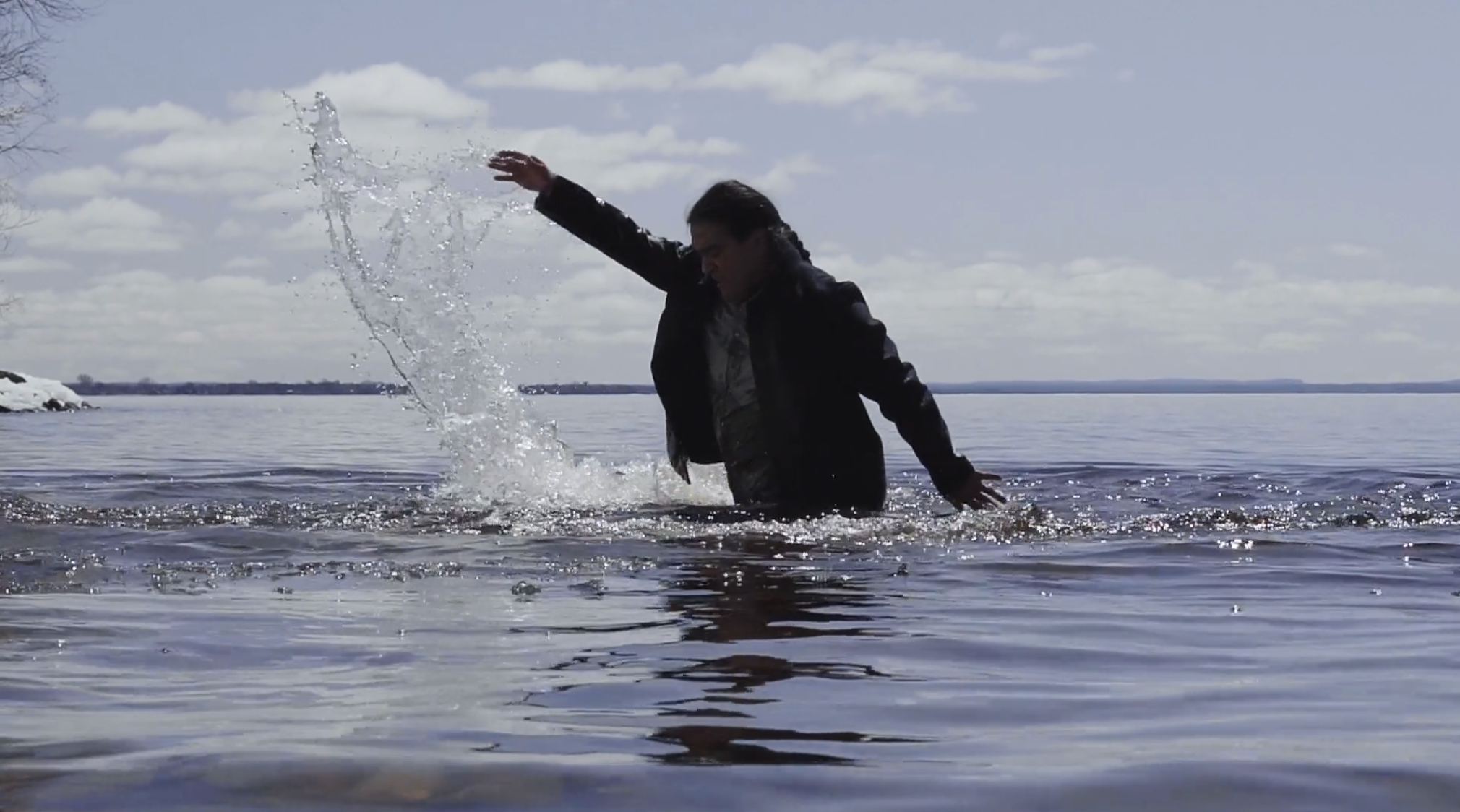
Maayuma li Mubirr (Healing Scars) is a powerful performance experience by Yuwalaaraay composer and performer Warren Mason, tracing the intergenerational journey lines of First Peoples healing from injustice. An unmissable work that honours matriarchy, survival, strength and the power of First Peoples storytelling.
Warren Mason blends the natural sounds of his Yuwaalaraay homeland, the haunting tones of his guitar, the spoken word of multiple languages and singing styles of his old people. Creating an intricate tapestry of sound interwoven with movement choreographed collaboratively by performers Jo Clancy (Wiradjuri), Lily Shearer (Murrawarri/Ngemba), Kiarn Doyle (Dunghutti) and Warren. For an experience that is raw, moving and deeply human. Maayuma-li Mubirr invites audiences to reflect in a shared catharsis of truth, healing and resilience – tracing lines from the past through ceremony, performance, and visual art.
First developed through Moogahlin Performing Arts’ Yellamundie Festival at Carriageworks in 2023. Maayuma-li Mubirr had its acclaimed premiere season at Carriageworks in Sydney July 2026. www.moogahlin.org
All My R(el)ations
Aanmitaagzi
Nipissing First Nation, Ontario, Canada
November 4, 5, 6 at 8:30 PM
Celebrating a return to community. Aanmitaagzi’s multi-disciplinary dance theatre project looks at who we are in the face of adversity and who we hope to be. Over the past six years we’ve inventoried what we have, what we’ve always had and the capacity we have to share with others. With community, this project seeks to make the E and the L no longer silent, so we can return to All My Relations!
All My R(el)ations performance and installation include both professional artists and community. It is built on a foundation of over three hundred story-telling luncheons with our elders, four summer intensives with our community’s youth and numerous other weekly. workshops and intensives. Our traditional Indigenous artmaking is. multi-year, intergenerational in process and aim.
Aanmitaagzi is a professional Indigenous multi-disciplinary arts company from Nipissing First Nation, Ontario. We carry forward our legacy of land and community based intergenerational art making. In community, Aanmitaagzi gathers, eats, dreams and makes. Their multi-year projects contribute to thriving communities connected to international conversations. www.aanmitaagzi.net
Celebrating 50 Years: Spiderwoman Theater Gala
November 7 at 6:00 PM
A celebration of fifty Years of Indigenous Feminist theatre. Curated and directed by Safe Harbors’ Murielle Borst-Tarrant, Spiderwoman will look back at their history, with excerpts from some of their shows and a look at some of the Artists who kept them company along the way. It will also pay tribute to the artists who are carrying their legacy forward in new and exciting ways.
Click HERE for tickets.
Editorial by Malini Singh McDonald.
Published by Theatre Beyond Broadway on October 22, 2026. All rights reserved.