
All These Pretty Things
Written and Performed by Tracey Yarad; Directed by David Deblinger
Theatre Row | 410 West 42nd Street, New York, NY 10036
September 29 - October 1, 2026
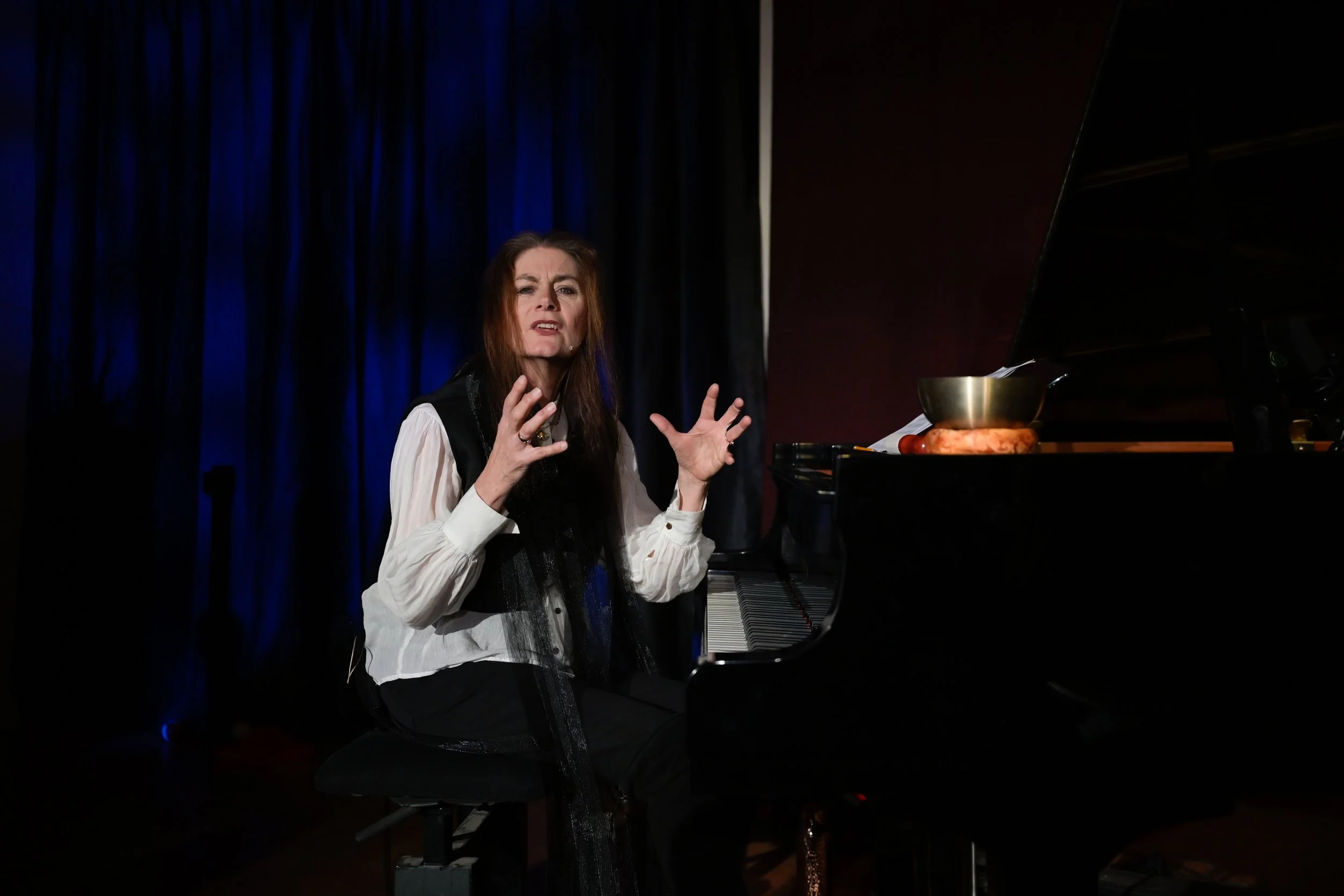
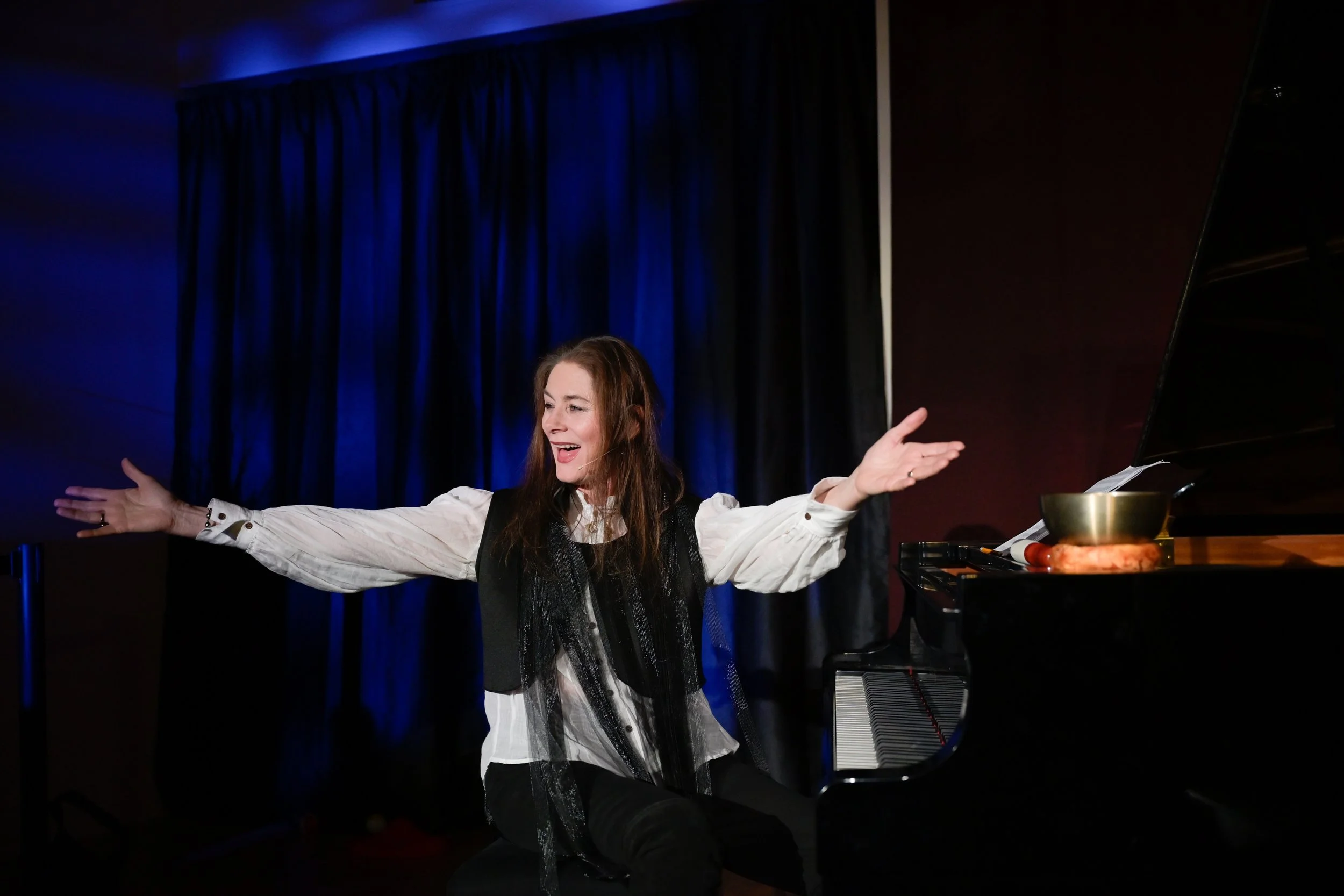
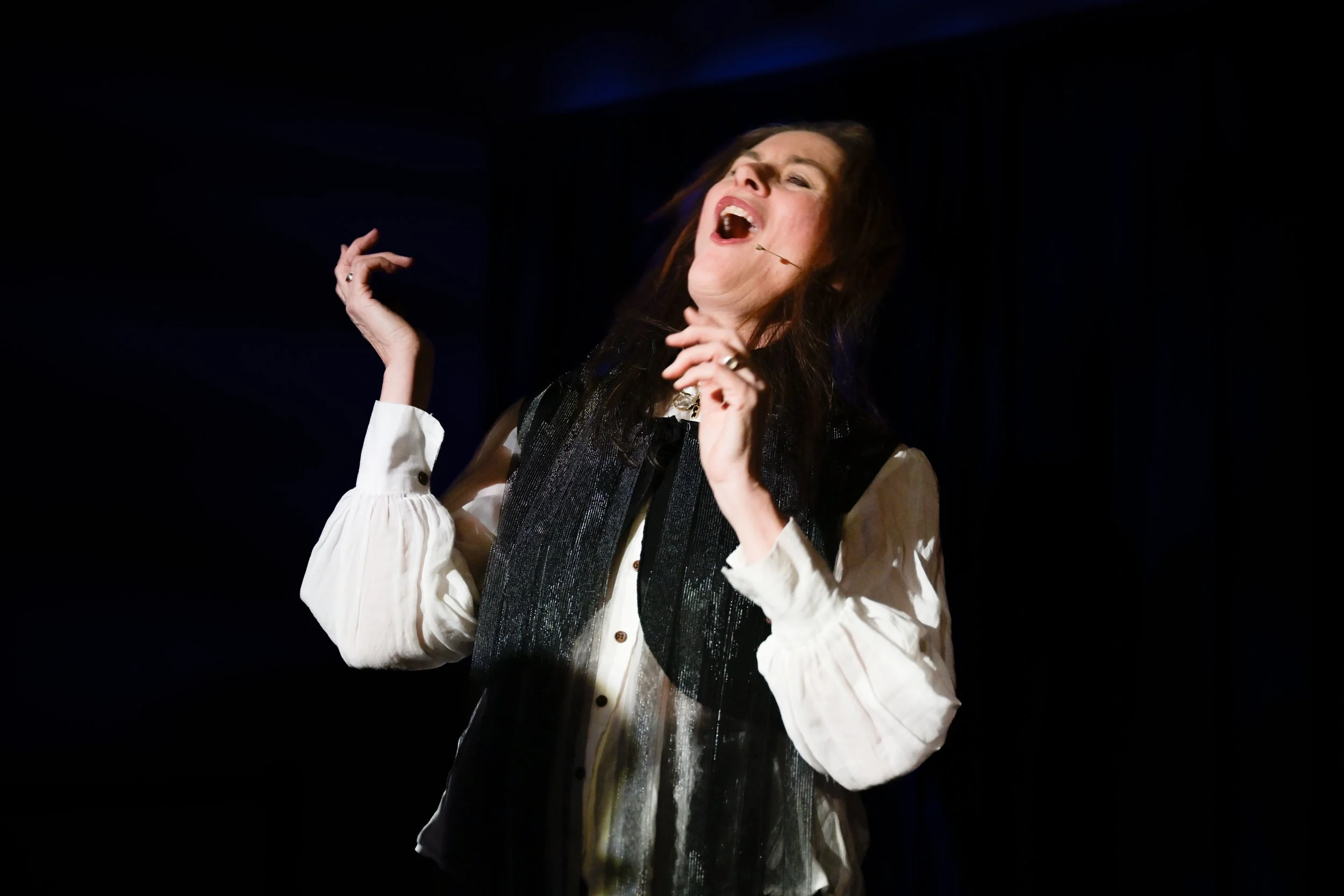
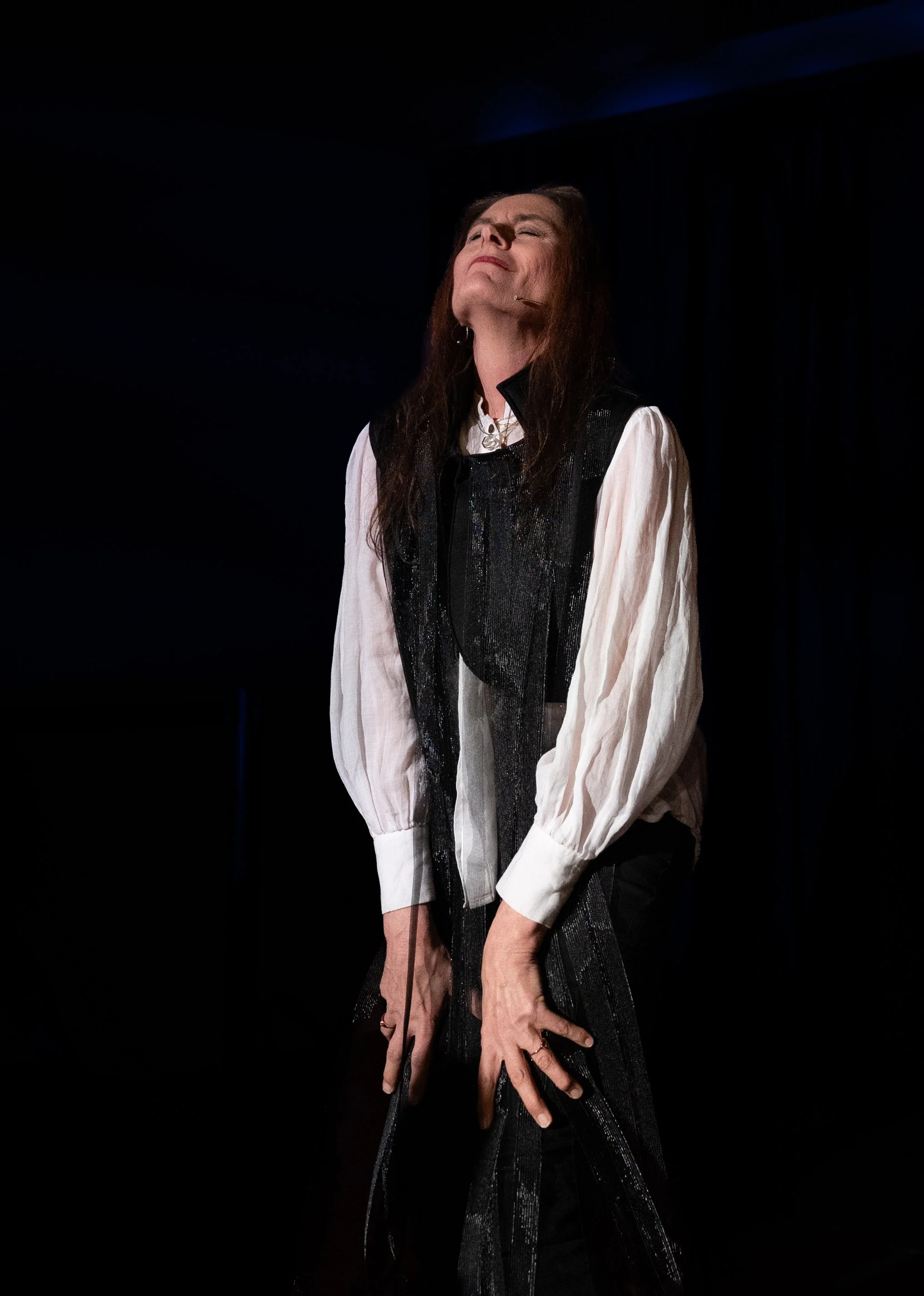
Photo Credit: Perez Photo
There are two things that immediately tell us we are about to enter Tracey Yarad’s world: a piano and luggage. One suggests the artist. The other suggests departure. Together, they become an elegant introduction to All These Pretty Things, Yarad’s award-winning one-woman musical memoir presented by the Australian Theatre Festival NYC. Through original music, storytelling, humor and live piano, Yarad invites us into the aftermath of a life she thought she knew.
I was immediately drawn to the nature of artistic creation: how inspiration can come from what is happening in the world, from what we observe around us, or simply from what is happening in our own lives. Sometimes we know exactly where the impulse comes from. Sometimes we don't. And sometimes we ignore what is directly in front of us until life insists that we pay attention.
Yarad has done more than pay attention. She has transformed one of the most painful and life-changing experiences imaginable into art. There is a beautiful idea about building a home: Don’t try to furnish your house in one day. Let the pieces find you. Over 23 years, Yarad builds a home, piece by piece, with the love of her life. The memories, relationships, rituals and experiences become the furnishings of a shared life. And then the house comes apart. The 23-year marriage implodes, and suddenly the home that took more than two decades to build no longer exists in the form Yarad understood it. And then the house comes apart.
Being a musician on tour can be a gratifying experience. How often do we get the opportunity to make a living from our passion? For Yarad, music and travel were part of the life she built with her husband. They toured together, created together and manifested dreams together. But there are times when even the most gratifying life on the road creates a longing for something solid. A place to return to. A place that belongs to you. Home can also be a person.
In Yarad’s case, home was her husband. He was the person with whom she shared the touring life, built a family and imagined a future. Even some of the dreams that could not happen in the way they originally imagined were transformed into something else: a family and a life they were able to create together. That is what makes the devastation of the affair so profound. This is not simply the ending of a relationship. It is the rupture of an entire life structure, the collapse of a partnership that existed across love, art, family, travel, dreams and home. It is almost too much for anyone to absorb. And yet, she goes on. The 23-year marriage implodes, and suddenly the home that took more than two decades to build no longer exists in the form Yarad understood it.
This is where All These Pretty Things becomes something larger than a story about separation and displacement. It becomes a story about what happens when the life you thought you were building disappears. Yarad's voice and piano playing are grand, playful, soulful and evocative, carrying us through the many textures of her story. The music never feels ornamental. It is part of the storytelling itself, giving emotional shape to memories that might otherwise be impossible to articulate. And Yarad understands the power of contrast. There is heartbreak, but there is also tremendous humor.
“Riding a Bike” is hilarious opening number about celibacy and reconnection. That humor becomes essential to the piece. It reminds us that grief and joy are not opposing forces. Sometimes they occupy the same room. As the story moves deeper into the unraveling, Yarad brings us into the emotional mirror of a broken heart. We blame. We question. We replay conversations. We wonder where we went wrong and whether we will ever find our way to the other side. She doesn't offer a tidy answer. Instead, she gives us the mess, the grief, the questions and the laughter.
Then comes the question: Where is the pivot?
Life has a way of interrupting our carefully constructed plans. Death, betrayal, illness, economic insecurity, heartbreak and other unexpected circumstances can force us to reconsider the road we thought we were traveling. Sometimes the pivot is a choice. Sometimes it is imposed upon us. Yarad allows us to witness that pivot without pretending it is simple. There is something particularly vulnerable about watching an artist transform heartbreak into a theatrical experience while knowing that the material comes from an actual life.
Yet she never makes the audience feel like intruders. Although Yarad is performing from a stage, the intimacy of the space creates an unusual relationship between performer and audience. We are not quite flies on the wall. We are witnesses. At times, it felt as though the entire audience was holding its breath with her. And then breathing again. That rhythm of holding and releasing is one of the most affecting elements of the performance. Yarad is sharing some of the most painful experiences of her life, yet the theatrical structure provides enough space for both performer and audience to process what is being revealed. We listen. We laugh. We wince. We recognize something.
Because ultimately, this is not only a story about the end of a marriage. It is a story about identity. What happens when the person, career, relationship or future you have built your identity around is no longer there? Who are you when the version of yourself you expected to become is suddenly off the table? There is particular poignancy in confronting that question as we get older. Time becomes more visible. We understand that our lives are finite and that we cannot fulfill every dream we once imagined. Sometimes beginning again means accepting that a particular dream is no longer possible. Sometimes it means leaving. Sometimes it means going somewhere anonymous enough to quietly put the pieces back together. And sometimes it means building a new home.
One piece at a time. The luggage becomes a particularly potent image in this journey. You cannot take the entire house with you. You have to decide what belongs in the suitcase. What do you carry? What do you leave behind? What becomes part of the foundation of whatever comes next? That is the work of beginning again.
The final movement toward “Home” brings the metaphor full circle. The home Yarad once built with another person has disintegrated, but the idea of home has not disappeared. It has changed. That may be the greatest gift of All These Pretty Things: the reminder that we are given more than one opportunity to begin again. The past does not disappear. It becomes part of the foundation. Yarad's art stands on that foundation. Her vulnerability is fearless. Her humor is generous. Her voice and musicianship are captivating. And her willingness to stand inside the wreckage of a life once imagined and turn it into something beautiful is a testament to the transformative power of theatre. By the end, the luggage feels less like evidence of leaving and more like evidence of possibility.
You can leave. You can begin again. And sometimes, home is not the person or place you thought it would be. Sometimes, home is something you learn to carry.
Review by Malini Singh McDonald.
Published by Theatre Beyond Broadway on October 2, 2026. All rights reserved.