COMME UNE FOLLE (TORCH SONGS FOR TOUGH TIMES BECAUSE GAY)
Kim David Smith, lead vocals, Bright Light Bright Light - guest vocals
Tracy Stark, musical director, piano, Skip Ward, bass, David Silliman, Drums, Matt Podd, accordion
Joe’s Pub, The Public Theater, 425 Lafayette Street, in Manhattan
May 2, 2026
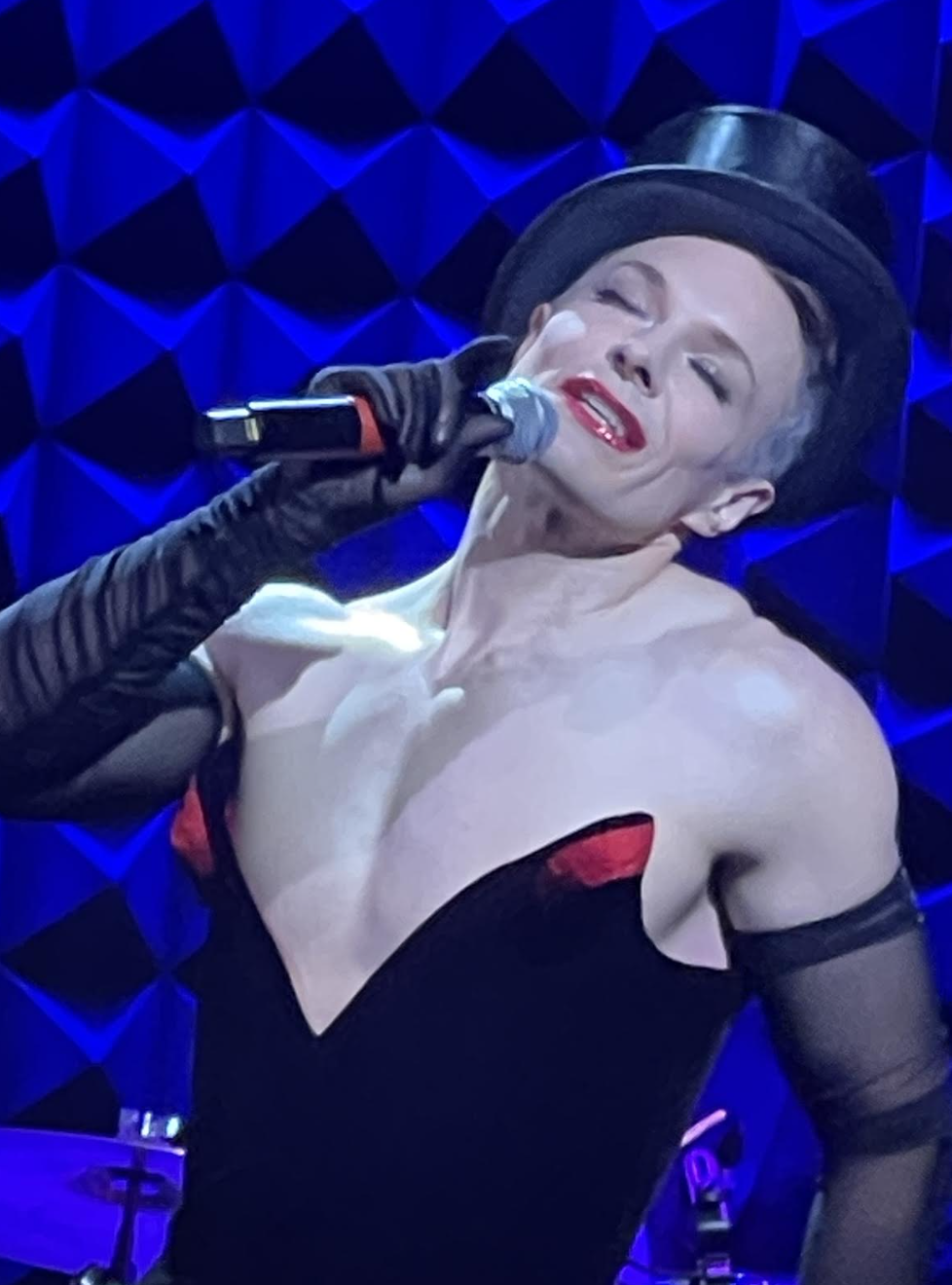
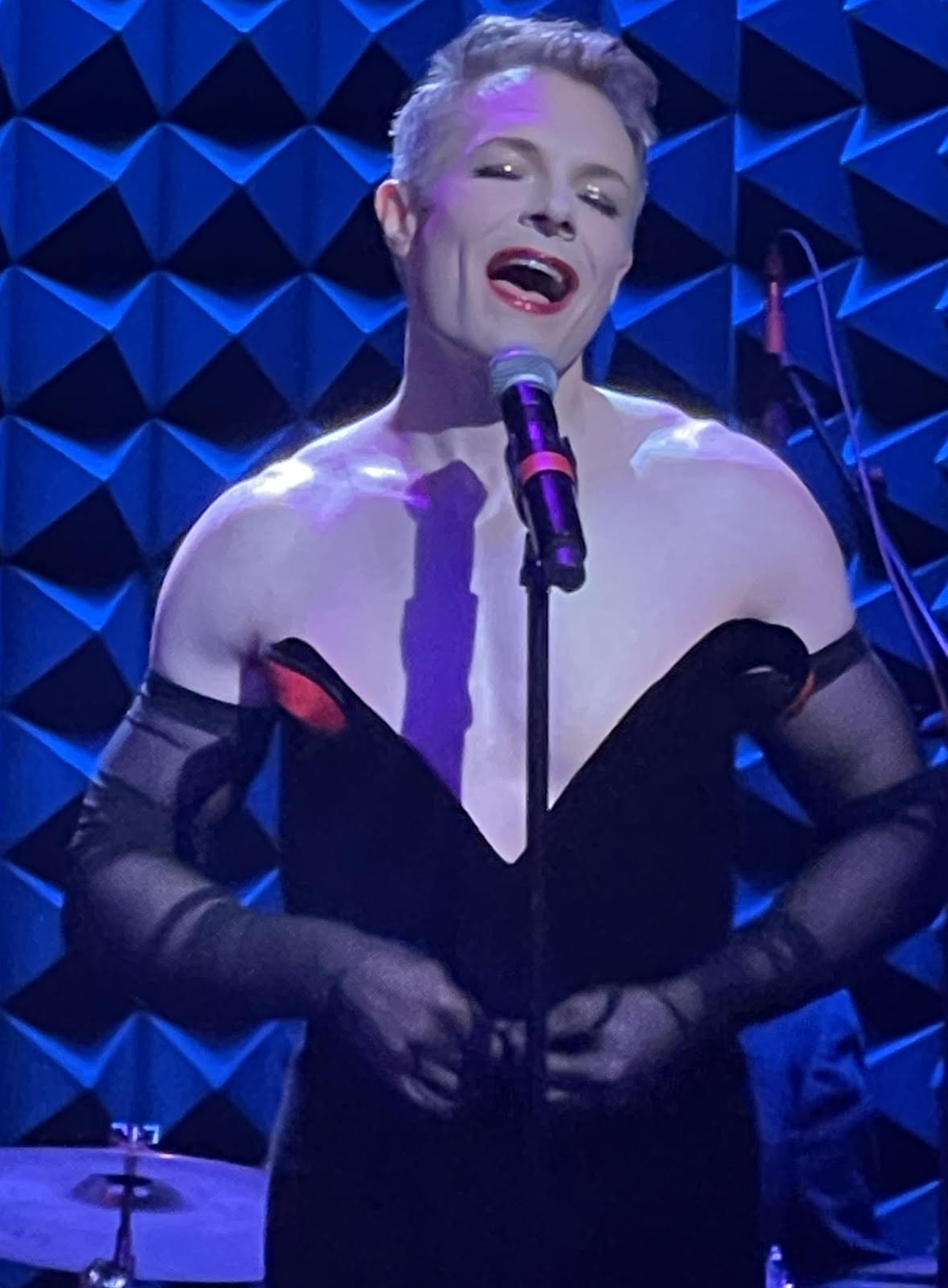
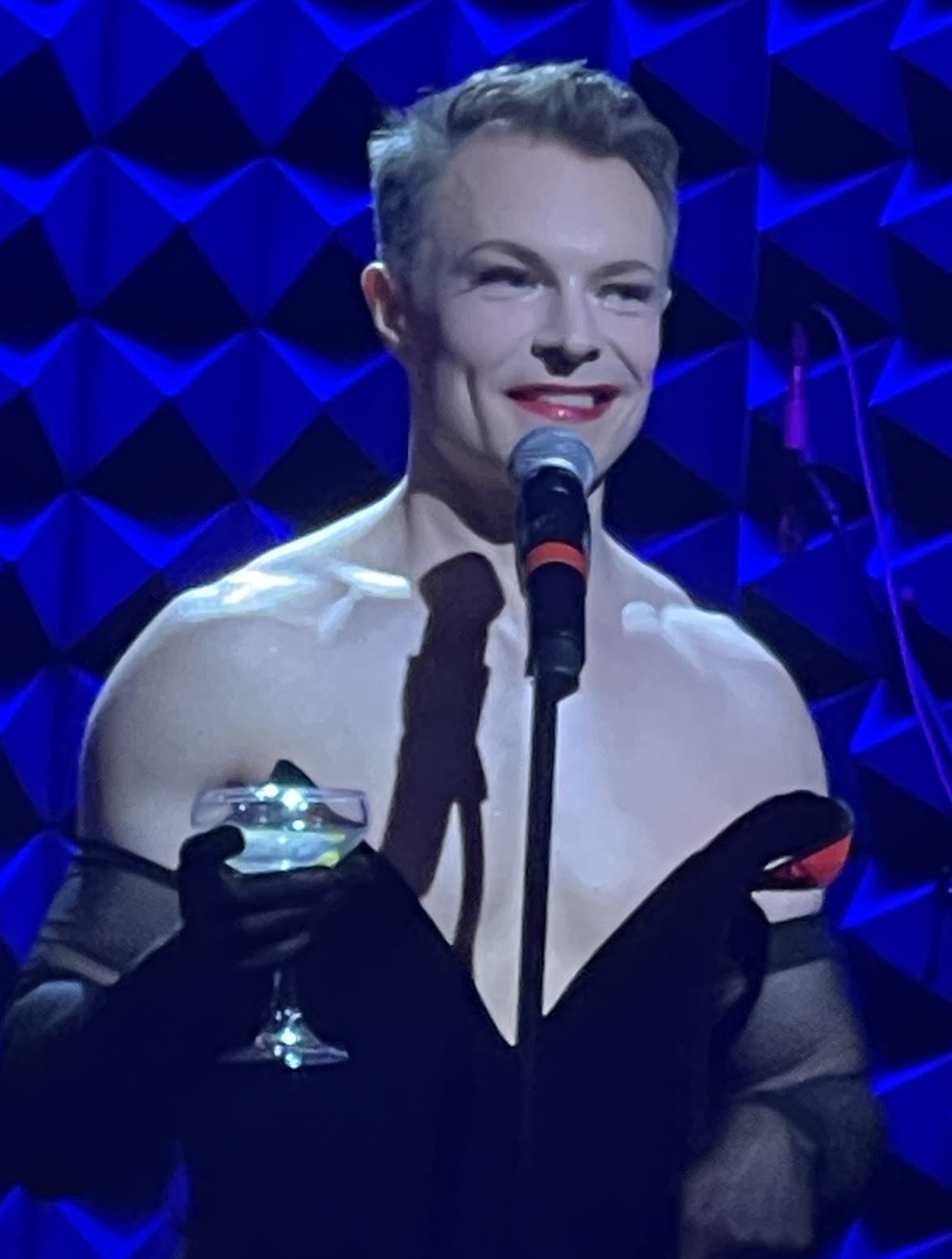
At Joe's Pub, Kim David Smith unveiled Comme Une Folle (Torch Songs for Tough Times Because Gay) with the sort of confidence that belongs not merely to a seasoned cabaret artist, but to a true custodian of the form. The downtown cabaret scene has long trafficked in nostalgia, irony, and cultivated eccentricity, but Smith transcends all three. What he offers instead is something rarer: an intoxicating fusion of European decadence, queer defiance, emotional nakedness, and musical rigor. Celebrating his nineteenth year in New York, Smith appeared not as a veteran coasting on reputation, but as an artist at the height of his interpretive powers.
Before Smith even set foot onstage, the evening announced itself with uncommon sophistication. Under the supple musical direction of Tracy Stark on piano, the band—Skip Ward on bass, David Silliman on drums, and the extraordinary Matt Podd on accordion—conjured an overture of shimmering elegance that seemed to drift in from another century and another continent. Podd’s accordion, alternately smoky, wistful, and deliriously playful, became the evening’s secret bloodstream, carrying the audience from Weimar Berlin to Left Bank Paris to a queer downtown fantasia all Smith’s own.
Then came Smith himself, descending upon the room like an apparition from some divine cabaret fever dream. Clad in a sleek black dress slit with architectural precision, punctuated by flashes of crimson and crowned with glittering lips that caught every shard of stage light, Smith understood instinctively that cabaret begins with silhouette and seduction before a single note is sung. His opening number, “A Good Man,” established the evening’s emotional dialect immediately: earnest yet wickedly self-aware, vulnerable yet impossibly glamorous. Within moments, Smith had the audience roaring with his declaration, “Because Gay, and Because Lesbian, and Because Trans!” followed by the immortal line, “This is a straight exorcism!” Quick on those heels, “And never a red baseball cap!”...Few performers can pivot so seamlessly from camp absurdity to genuine political invocation; Smith makes the transition feel effortless.
What distinguishes Smith from the countless singers who merely “perform songs” is his astonishing command of tonal architecture. His rendition of “The Man That Got Away” unfurled with devastating emotional intelligence, refusing melodrama in favor of something more dangerous: restraint. The ache in the performance accumulated gradually, until Matt Podd’s fleeting interpolation of “Over the Rainbow” landed like a ghost passing through the room. Smith’s voice—smoky, androgynous, and capable of sudden eruptions of steel-edged power—proved itself less interested in technical exhibitionism than in emotional excavation. He sings not to impress an audience, but to implicate them.
Between numbers, Smith revealed himself as one of cabaret’s great raconteurs, wielding banter with the precision of a seasoned comic actor. A rarity, "The Heel," a dramatic 1955 song by Eartha Kitt about a jealous woman plotting to poison her unfaithful lover, in Smith’s distinctive voice makes one wish to hear the song more often. “How Did He Look?” is another fit as luxurious as Peccary. His anecdotes—whether recounting encounters with Eartha Kitt or setting up a French torch song with the line, “I haven’t shaved my legs… because this next song is French”—never functioned as filler. They deepened the atmosphere, establishing intimacy while simultaneously heightening anticipation. Cabaret, in Smith’s hands, becomes a high-wire act between confession and performance art.
A sublime rendition of “Padam Padam” emerged as one of the evening’s crowning achievements. Smith honored Edith Piaf without lapsing into imitation, locating instead the song’s pulsing erotic fatalism while slyly nodding toward Kylie Minogue in a playful coda that sent ripples of delight through the crowd. This layering of historical references—Weimar melancholy colliding with disco sensuality, torch-song fatalism bleeding into queer pop ecstasy—is precisely what makes Smith such a singular artist. His jazz-inflected reinvention of Minogue’s “Someone For Me” further demonstrated his uncanny ability to reveal emotional textures hidden beneath contemporary pop surfaces, with “Just The Way I Am” another proof that Smith will shape lyrics evocatively.
The evening’s collaborative moments only reinforced Smith’s generosity as a curator of talent and atmosphere. The appearance of Bright Light Bright Light for the sleek synth-pop duet “Next To You” injected the show with an exhilarating burst of neon modernity, with a segue to “Every Baby Needs A Da-Da-Daddy” before burlesque luminary Pearls Daily brought a deliciously anarchic sensuality to the ‘It’s A Hot Night in Alaska” proceedings, complete with tassel-twirling bravado that somehow felt less gratuitous than essential to the evening’s spirit of liberated theatrical excess. Smith understands that cabaret thrives on volatility: glamour interrupted by grief, absurdity interrupted by revelation.
The emotional center of the evening arrived with “Guess Who I Saw Today,” delivered with such exquisite control that the audience seemed collectively afraid to breathe. “A Cottage For Sale” kept us firmly in that Julie London land of heartbreak. Yet even this masterstroke was somehow surpassed by the appearance of downtown cabaret legend Sidney Myer, whose volcanic rendition of Joan Cushing’s “Pheromones” detonated inside the room with the force of a theatrical earthquake. The standing ovation that followed was not polite appreciation; it was surrender.
By the time Smith launched into “Pirate Jenny”, the evening had evolved into something larger than entertainment. Smith approached the Brecht and Weill classic not as repertory material, but as an anthem of queer rage and survival. His subsequent rendition of “Falling in Love Again,” immortalized by Marlene Dietrich, shimmered with louche sophistication before collapsing gloriously into the German-language “Kabarett,” which left the room vibrating with ecstatic energy. Even the ambient clatter of cocktail glasses from the bar seemed briefly powerless against the force of Smith’s theatrical command.
The encores—“Cry Me a River” and the deliriously decadent pairing of “Just A Gigolo/Coquette”—felt less like addenda than a final champagne-soaked flourish from an artist unwilling to let the night descend gently back into ordinary life. Comme Une Folle is not merely a cabaret set; it is a manifesto for the survival of glamour, wit, political ferocity, and emotional truth in an increasingly flattened cultural landscape. In Kim David Smith’s hands, cabaret does not feel endangered or nostalgic. It feels immortal.
Click HERE for tickets.
Review by Tony Marinelli.
Published by Theatre Beyond Broadway on May 13, 2026. All rights reserved.
