
Canciones
Created collaboratively by Rebecca Martínez, Julián Mesri, Beto O’Byrne, Sara Ornelas, and Meropi Peponides
Brooklyn, NY
May 2-24, 2026
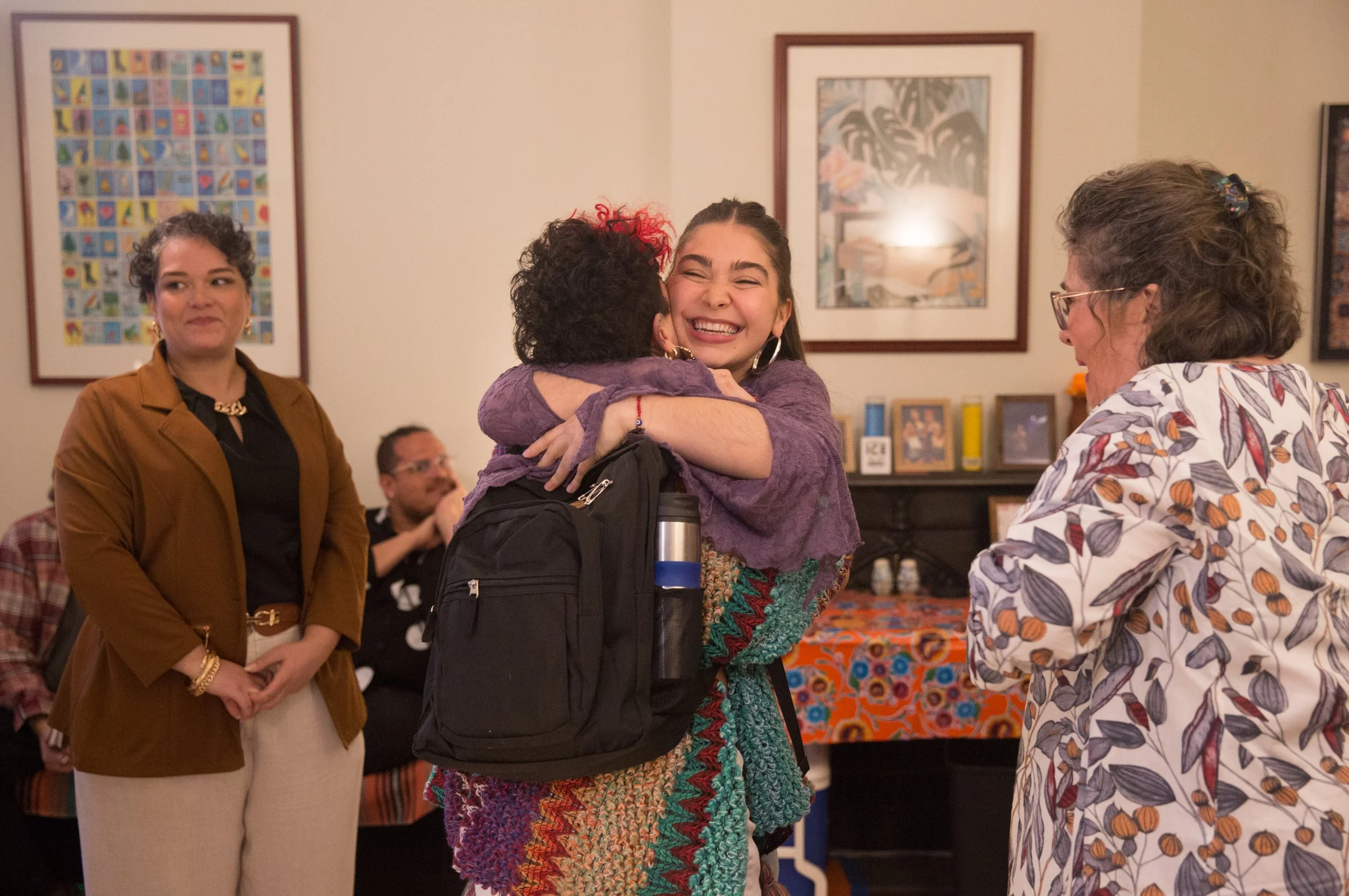
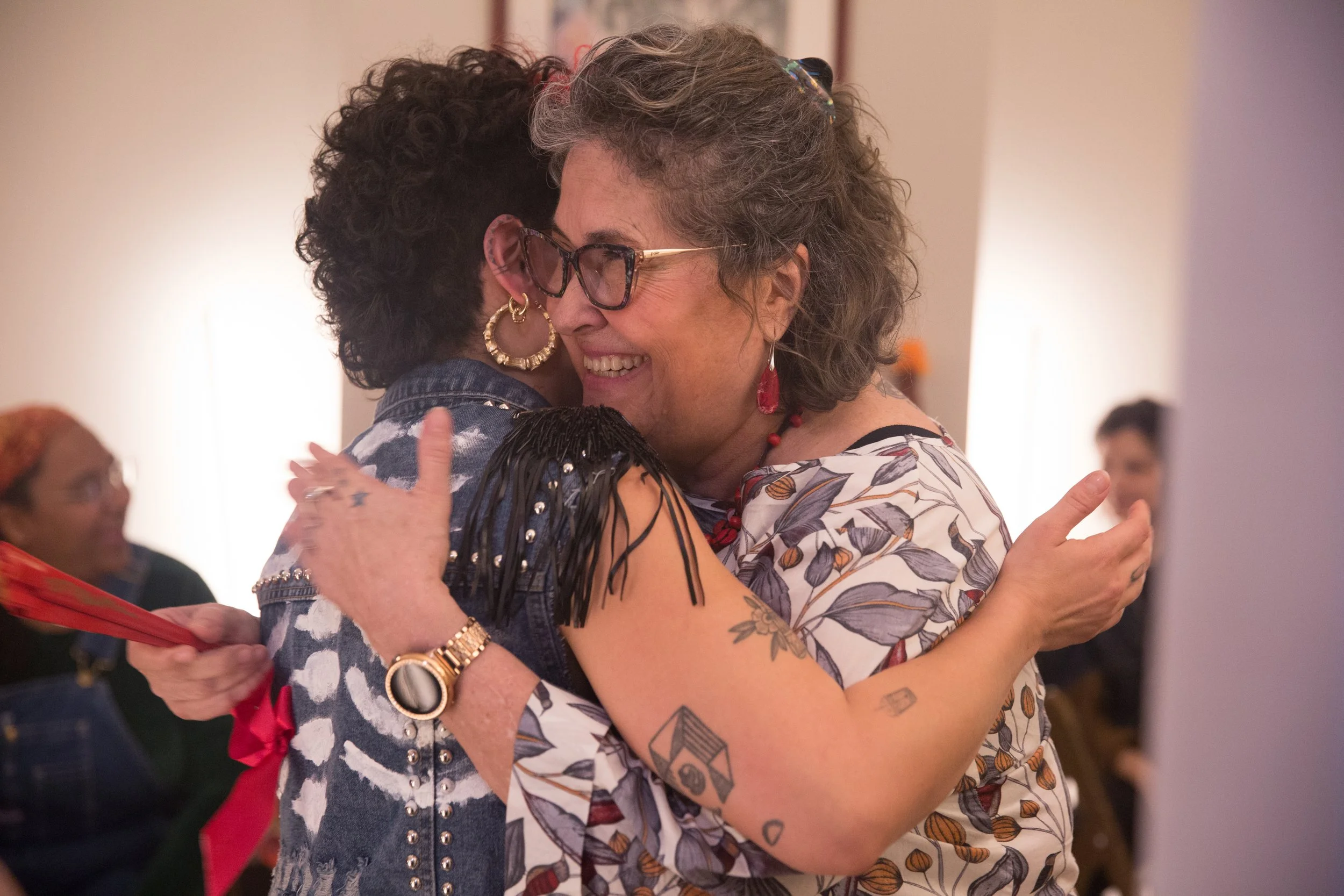
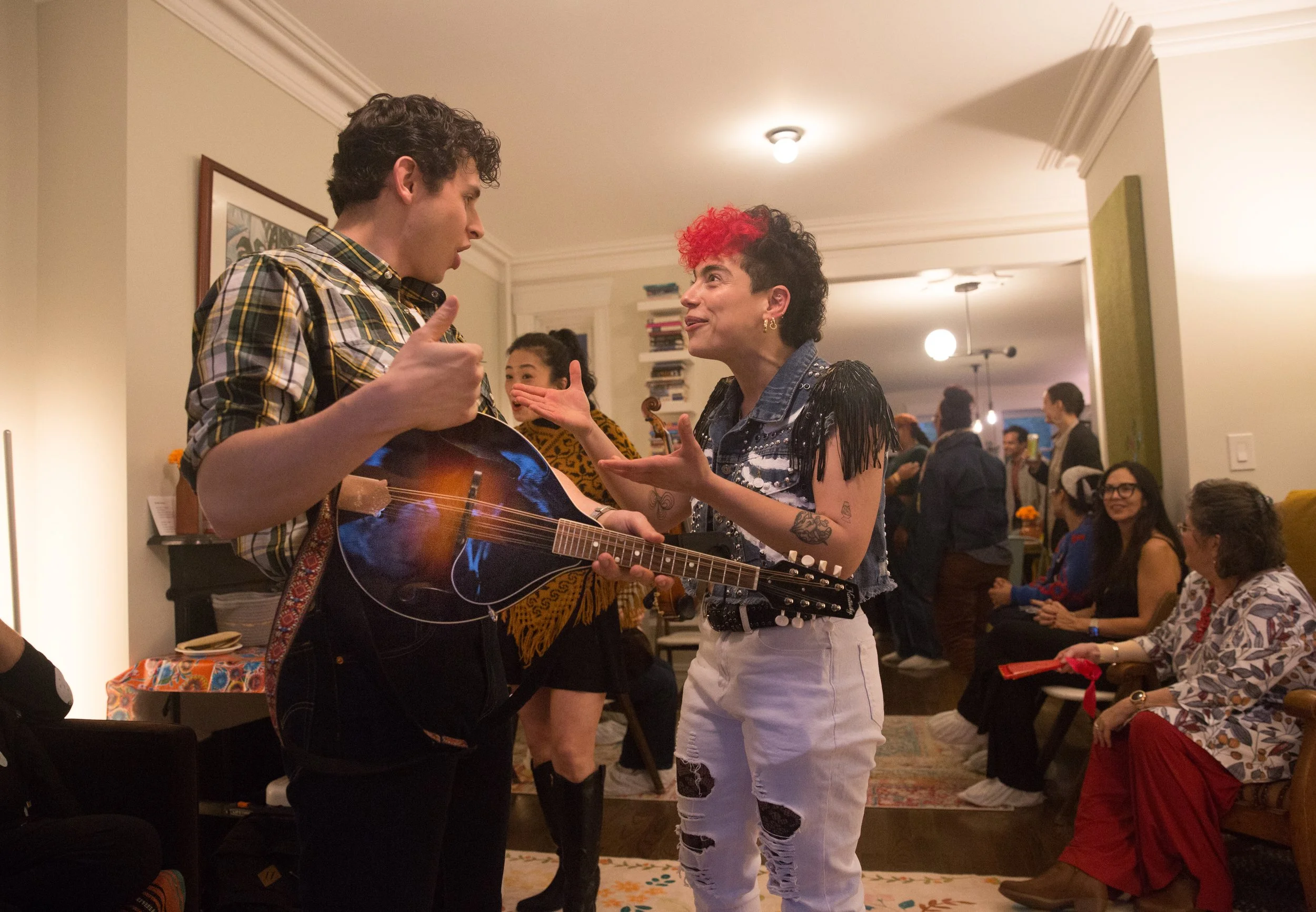
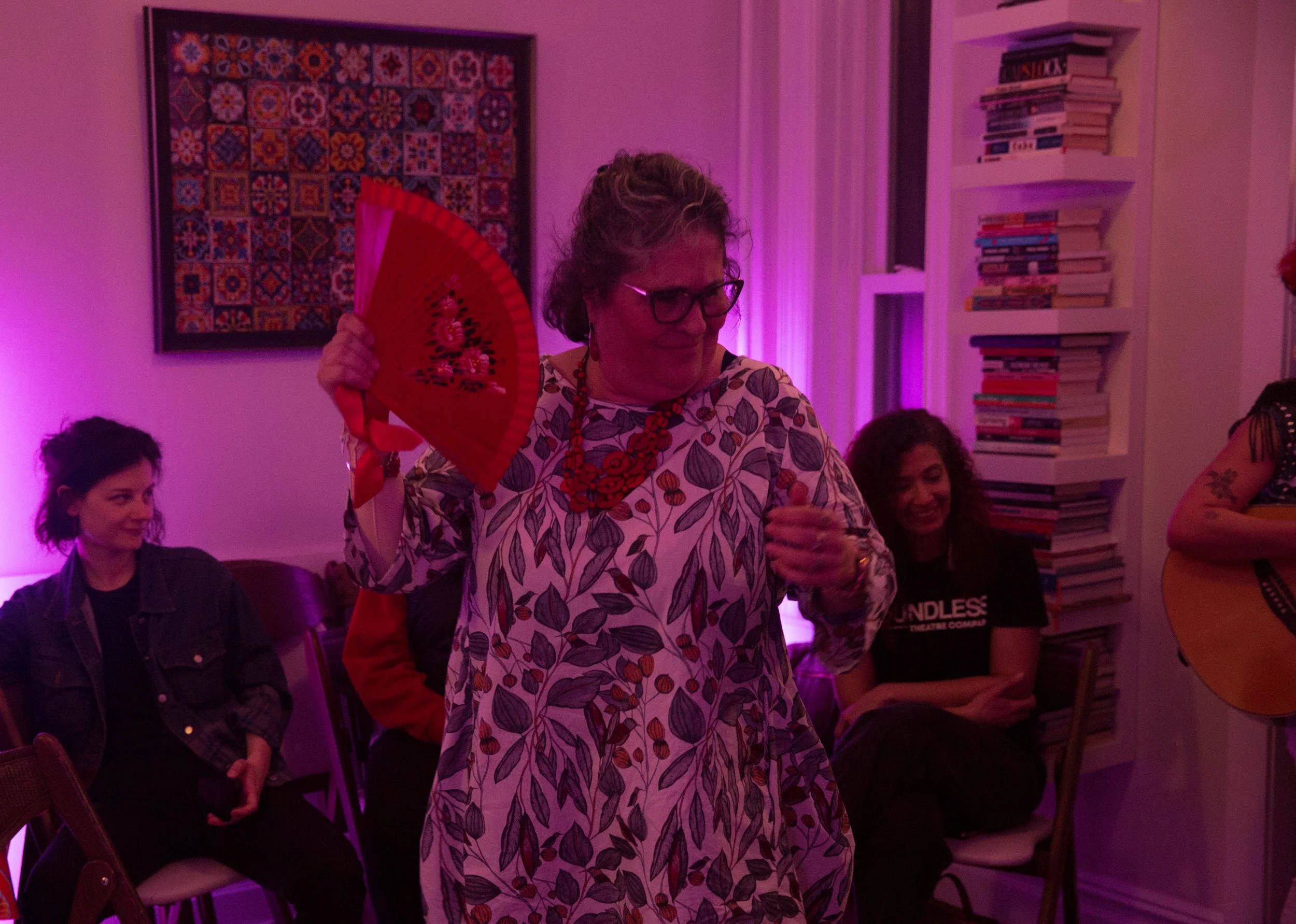
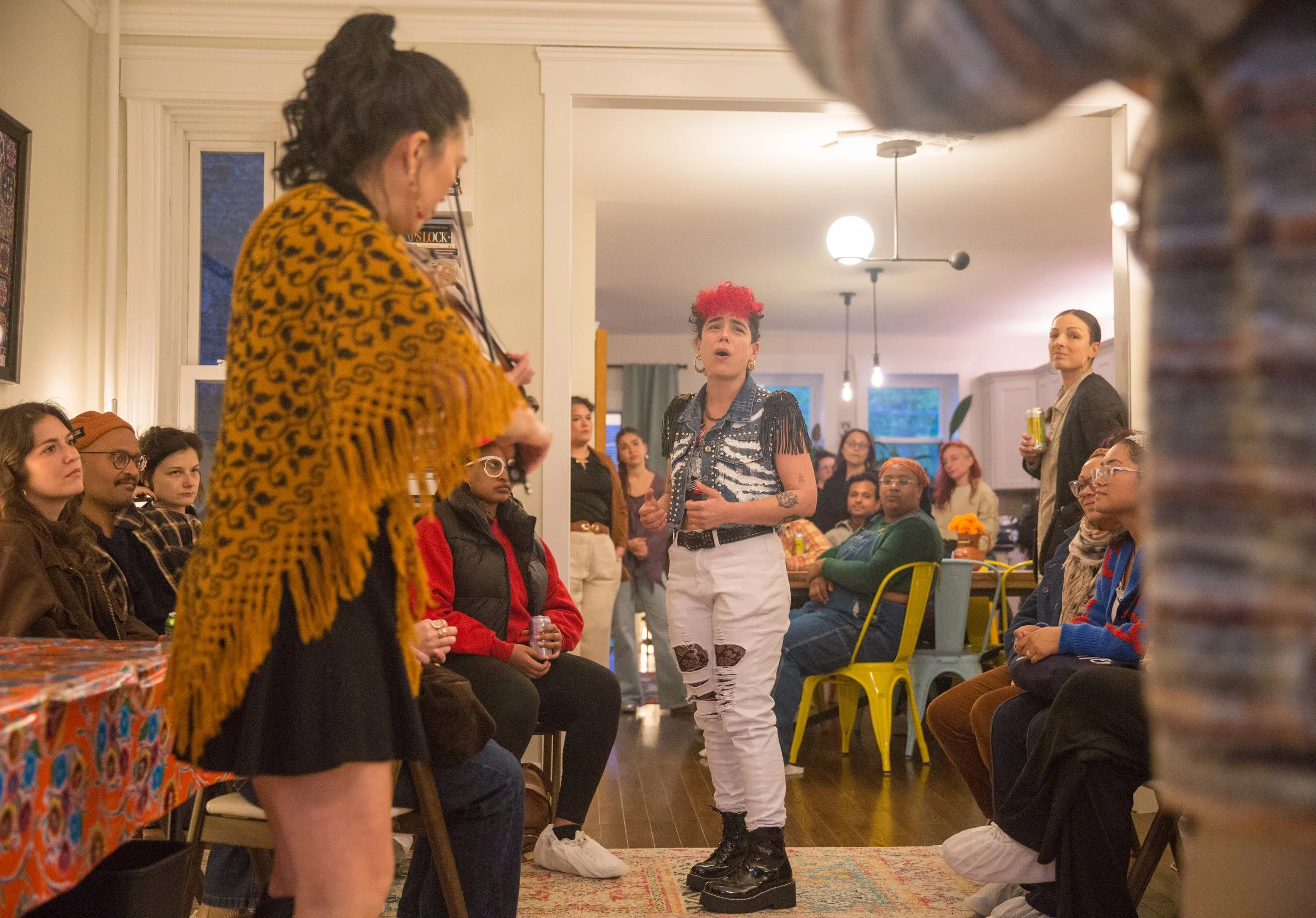
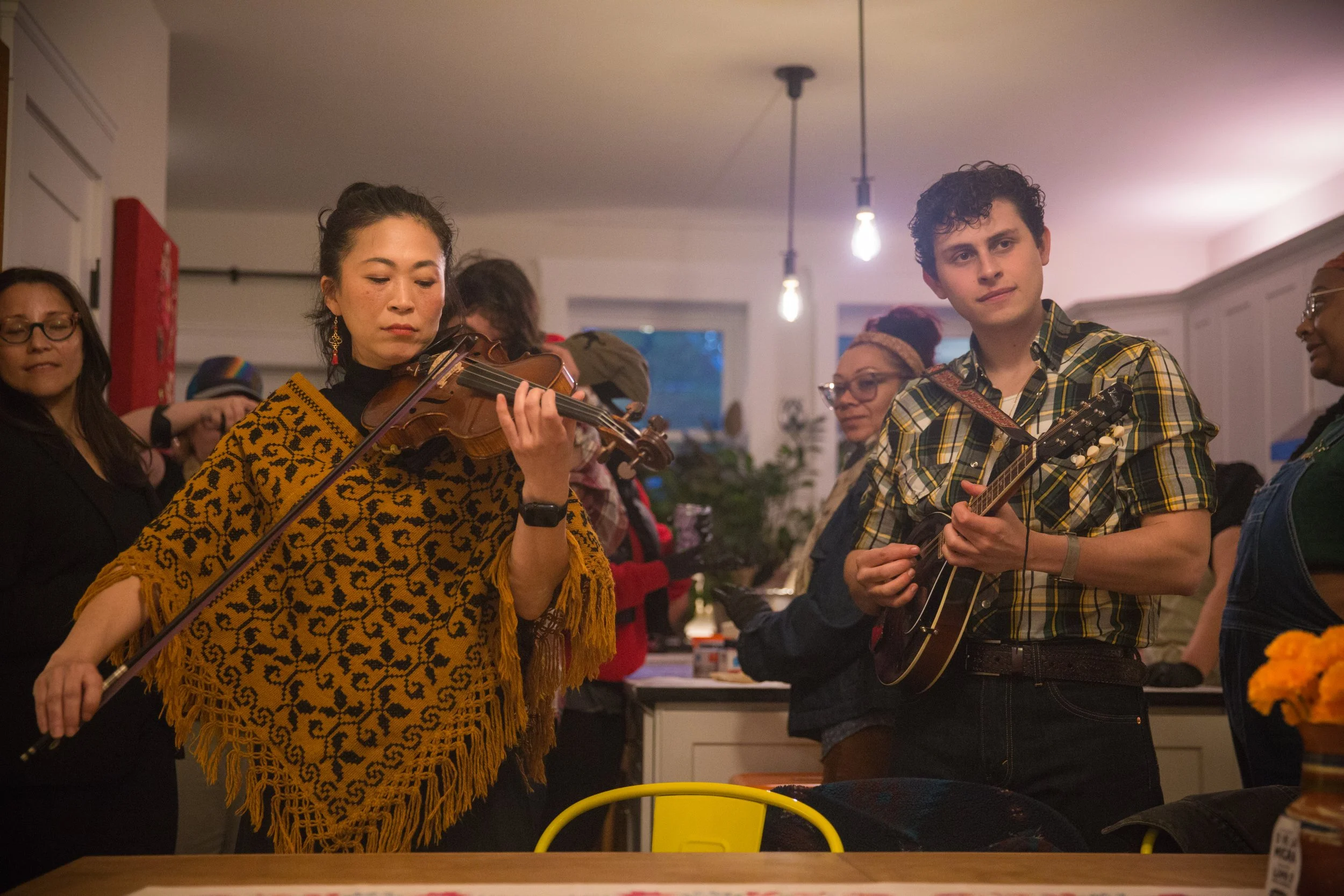
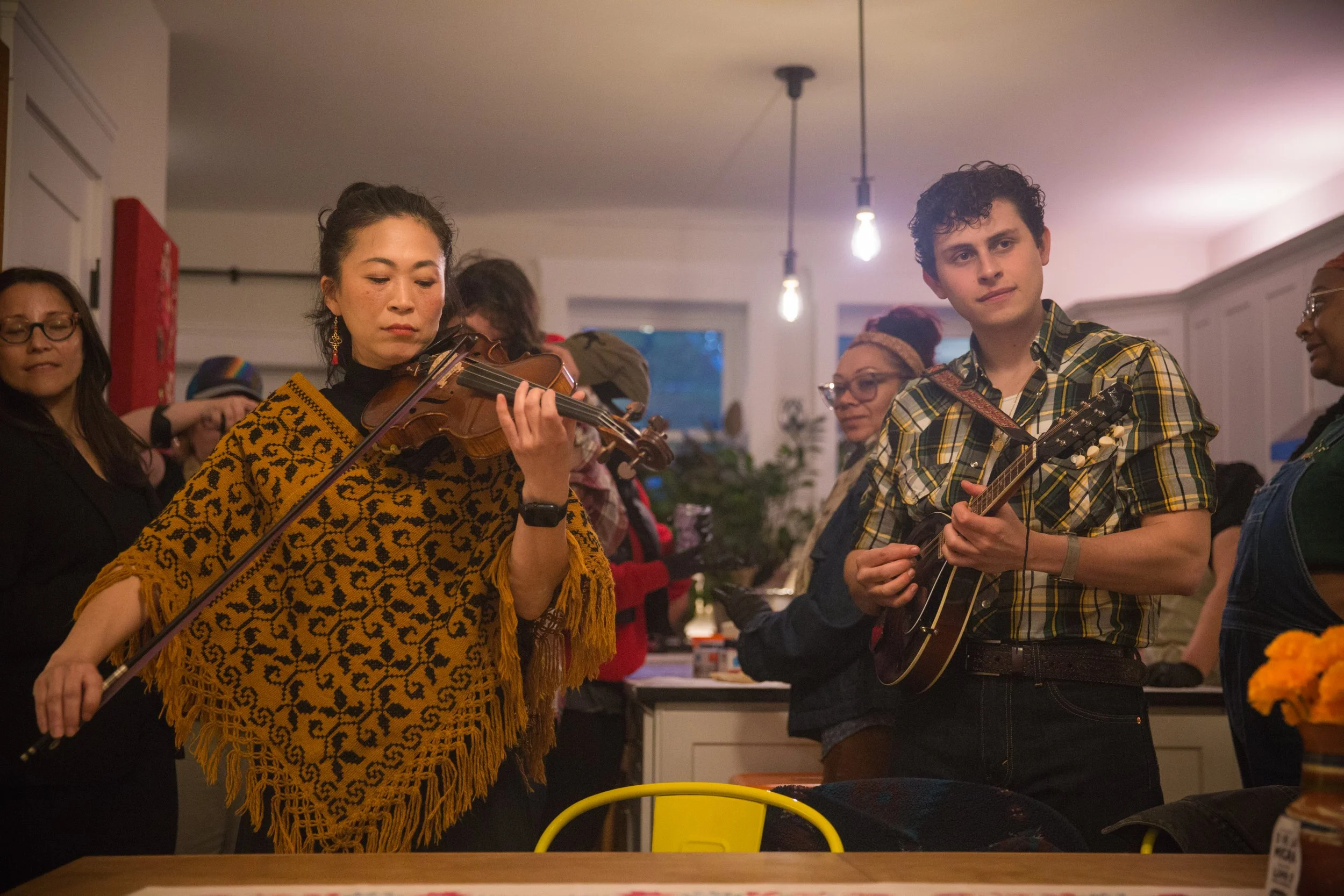
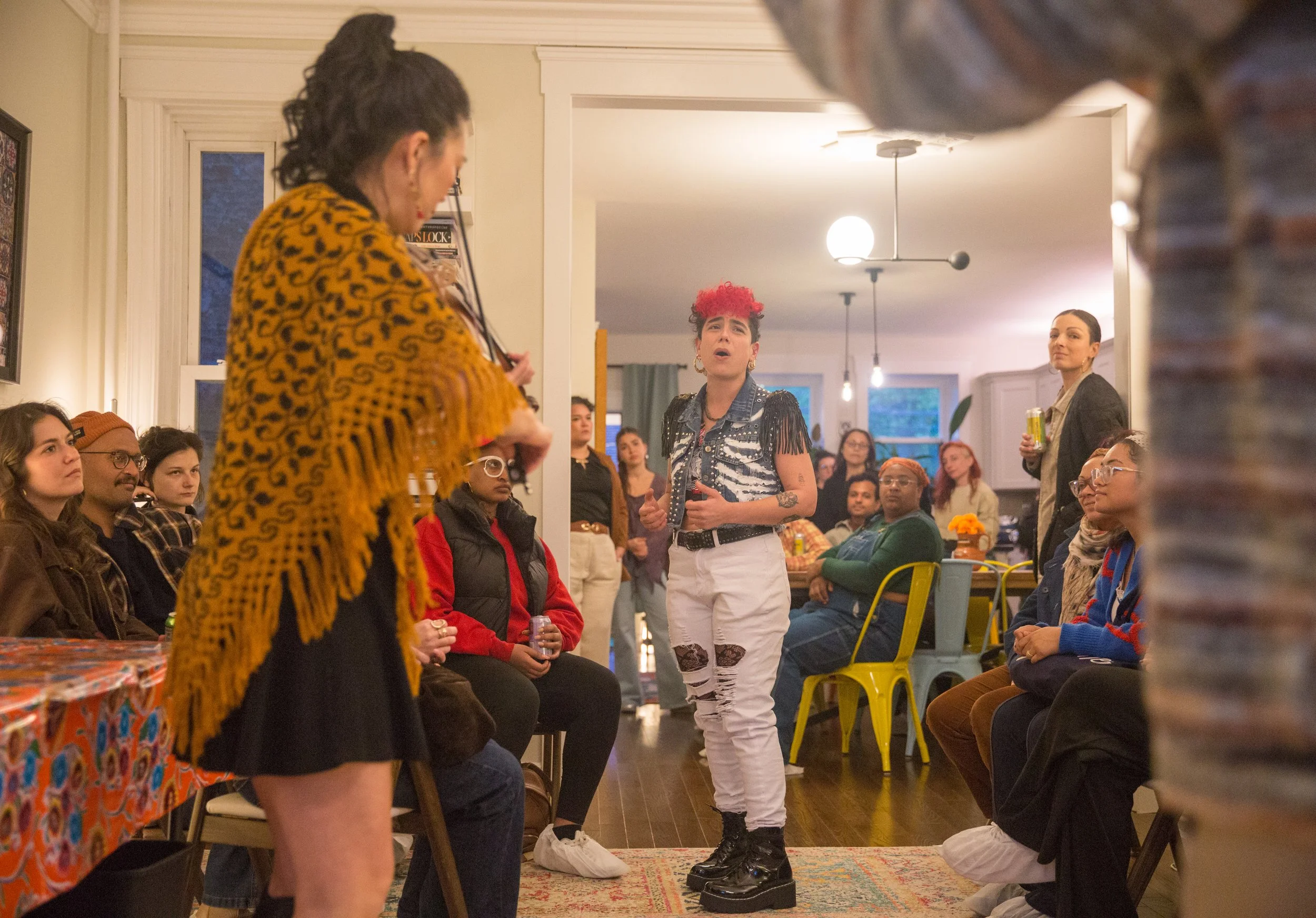
Photo Credit: Jody Christopherson
At a private residence in Flatbush, Brooklyn, the doors open not into a theatre, but into a home. The rules are simple: enjoy the party, respect the space, and prepare yourself for ultimo chisme.
Created collaboratively by Rebecca Martínez, Julián Mesri, Beto O’Byrne, Sara Ornelas, and Meropi Peponides, Canciones is one of the most brilliant, creative, and soulful theatrical experiences I have encountered this year. Directed by Rebecca Martínez, the production transforms immersive theatre into something deeply intimate: not spectacle, not gimmick, but genuine hospitality.
I have experienced theatre in nearly every configuration imaginable. Productions in thrust stages, in the round, site-specific work, fourth wall-breaking experiments, performances where actors move through audiences and audiences become part of the action. Yet Canciones offers something distinct. It does not simply immerse its audience. It adopts them.
The Guerrero family welcomes us not as ticket holders, but as friends entering their home for a celebration steeped in generations of mariachi tradition. From the moment we arrive outside the house, the experience begins. We are greeted warmly, handed name tags reading “La Prima,” inclusive across gender identities, and given shoe covers because this is not a theatrical simulation of a home. This is an actual home, lovingly transformed into living theatre.
And like many Latin and Caribbean households, the invitation carries an unspoken understanding: if you enter respectfully, break bread, and share in the joy, then you belong here too.
The beauty of Canciones lies in how naturally participation unfolds. Nobody forces interaction. Instead, instinct takes over. Nicole and I immediately wandered into the kitchen, exactly as guests do at family gatherings. We grabbed drinks, started conversations, and soon found ourselves bonding with Ricky, played with warmth and charm by Sammy Rivas.
Every audience member experiences a slightly different version of the evening depending on which room they occupy and whom they speak with. The immersive structure recalls works like Sleep No More, though Canciones trades grand spectacle for close quarters and emotional immediacy. Movement happens between the living room, kitchen, basement, patio, and upstairs rooms. Arguments drift through air vents. Songs echo from another floor. Family secrets arrive in fragments depending on where you happen to stand.
The cast navigates this environment with astonishing fluidity. Mayelah Barrera’s Nina carries the weight of continuing the family tradition. Johanna Carlisle-Zepeda’s Maestra embodies the matriarch with heart, toughness, and regality. EJ Zimmerman’s Jenn, Cristina Contreras’s Ely, and Chino Ramos’ Julio all contribute to the layered dynamics of the family, while Sara Ornelas’ Kati was the character I identified with most as the eldest in my own family. Trying to make sure it all flows. And then there is Ricky, who just wants to play rock and roll and enjoy life.
The performances never feel staged in the traditional sense. Conversations overlap organically. Tensions rise naturally. Emotional revelations emerge casually over food and music the same way they often do at actual family gatherings.
At the center of the work is music. Inspired by Canciones de Mi Padre, Linda Ronstadt’s landmark 1987 album celebrating her Mexican heritage, the production uses mariachi not simply as entertainment, but as ancestry made audible. The Guerrero family clings to this music because it carries memory, identity, pride, grief, and continuity. I especially appreciated the redistribution of the songs to fit the framework of the script. If you are expecting the album to be performed in its original order, let that expectation go.
For me, the album unlocked memories. I remember my parents owning it during the late 1980s, a time when Latin music rarely occupied mainstream American spaces outside breakthrough artists like Gloria Estefan and Miami Sound Machine. Ronstadt’s album felt revolutionary then because it was both deeply personal and culturally expansive. My family is not of Mexican descent, yet this album lived comfortably alongside calypso, Indian film soundtracks, Michael Jackson, and Billy Joel in our home. That same spirit pulses through Canciones.
Throughout the evening, songs emerge constantly. Sometimes formal, sometimes spontaneous. In one unforgettable sequence, Ricky brought us downstairs where we sang everything from La Bamba to Hotel California and Can't Help Falling in Love while relatives upstairs yelled for him to stop playing rock music and return to mariachi. The moment was hilarious, affectionate, and achingly human.
Yet beneath the celebration lies grief.
The family is still reeling from the death of Eddie eight months earlier, a loss so painful that many members avoid speaking about it directly. Like all families, the Guerreros carry unresolved tensions, old wounds, and carefully buried resentments. The arrival of an estranged sister reopens emotional fractures that have lingered for years. Arguments erupt. Histories resurface. Longstanding disappointments spill out in ways that feel painfully recognizable.
What makes the production extraordinary is that even during its most chaotic moments, love remains palpable.
And then, just as emotions crest toward unbearable intensity, tamales arrive.
Food becomes restoration. Audience members sit together eating while conversations continue softly around them. During dinner, Ricky sat with us and confided details about a recent breakup. By that point, Nicole and I had become part of his extended emotional orbit. Not spectators observing a character, but cousins sharing space with him.
That blurring between audience and family becomes Canciones’ greatest triumph.
At one point, we were asked whether our own families possessed heirlooms passed down through generations. I found myself sharing stories about treasured items from my own family, including a lota once used by my great aunt during Hindu prayers. Suddenly the evening expanded beyond the Guerrero family. It became about inheritance itself: what we preserve, what we fear losing, and the emotional weight objects carry across generations.
By the end of the evening, I found myself reflecting on my own family gatherings, the singing and dancing that once filled rooms late into the night, the old songs everyone somehow remembered. Music functions not merely as entertainment, but as communal memory.
That is the true magic of Canciones.
It is immersive theatre not because audiences move through rooms, but because it invites people to emotionally recognize themselves inside another family’s story.
As the performance concluded, I realized what made the evening feel so profound. After a week spent watching theatre in black boxes, cabaret venues, development labs, and traditional stages, Canciones arrived as a reminder that art still has infinite forms available to it. Theatre can live inside houses. It can feed you. It can sing with you. It can ask about your grandmother’s jewelry while an argument erupts upstairs.
Most importantly, it can remind us of what it feels like to gather.
Canciones is not simply a production to attend. It is a family memory you briefly get to borrow.
Click HERE for more information.
Review by Malini Singh McDonald.
Published by Theatre Beyond Broadway on May 18, 2026. All rights reserved.