H@ppy F@ggot
An Embrace Your Cape Management Production
Presented by FRIGID New York as part of The Queerly Festival 2026
Written and Performed by Scot Zeller, Directed by Kimleigh Smith
Lighting Design by John Bass, Sound Design by Jeff Gardner
UNDER St Marks Theater, 94 St. Marks Place, in Manhattan
July 2 7:00 pm and July 3 5:00 pm, 2026

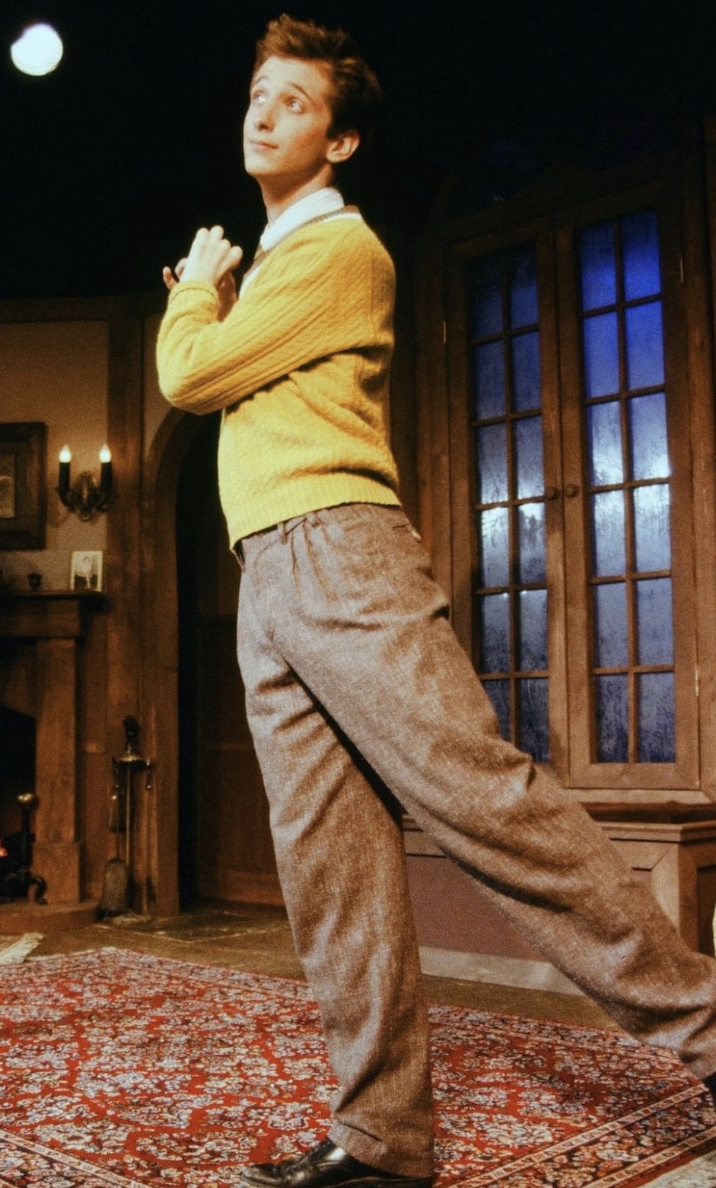
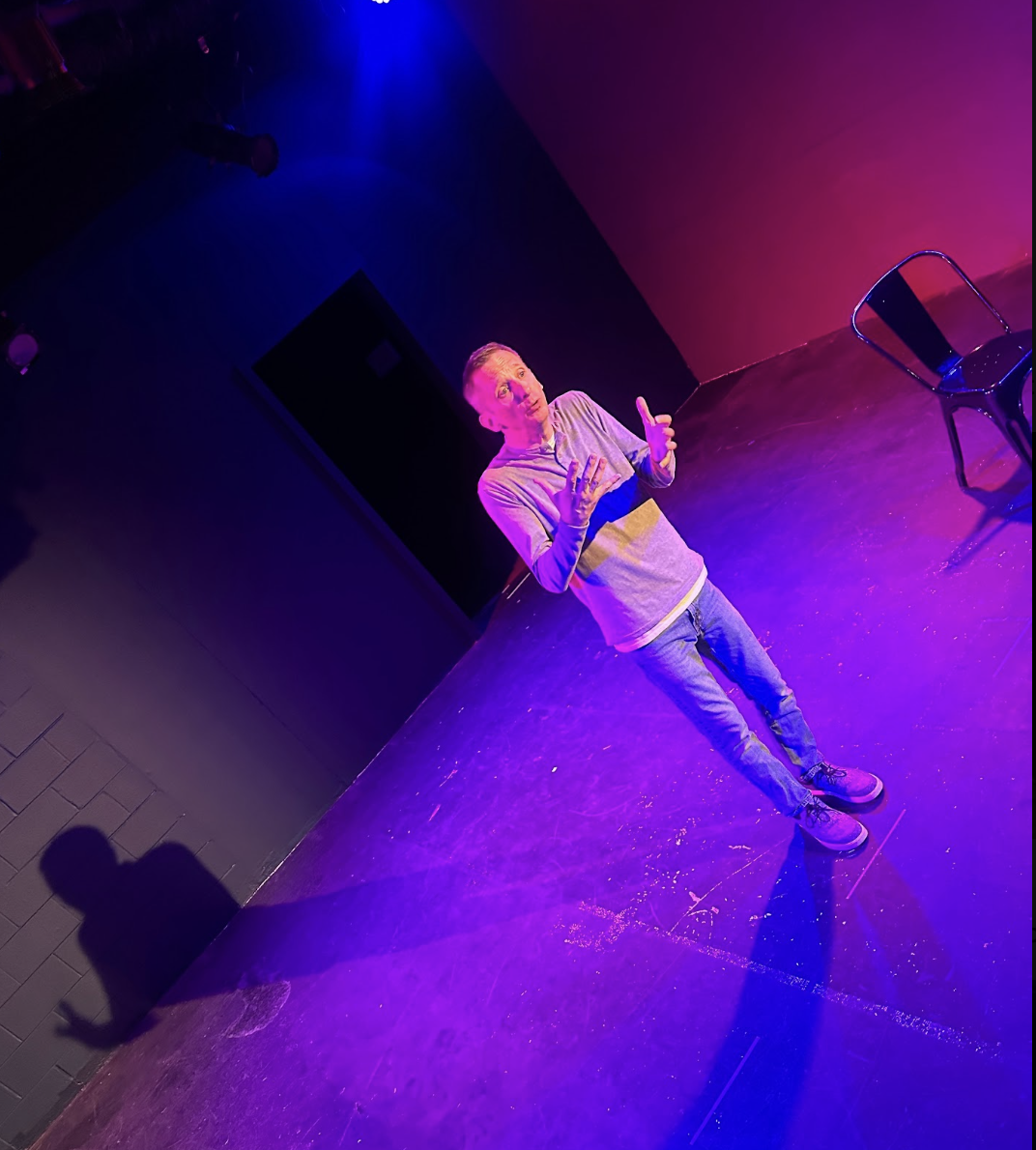

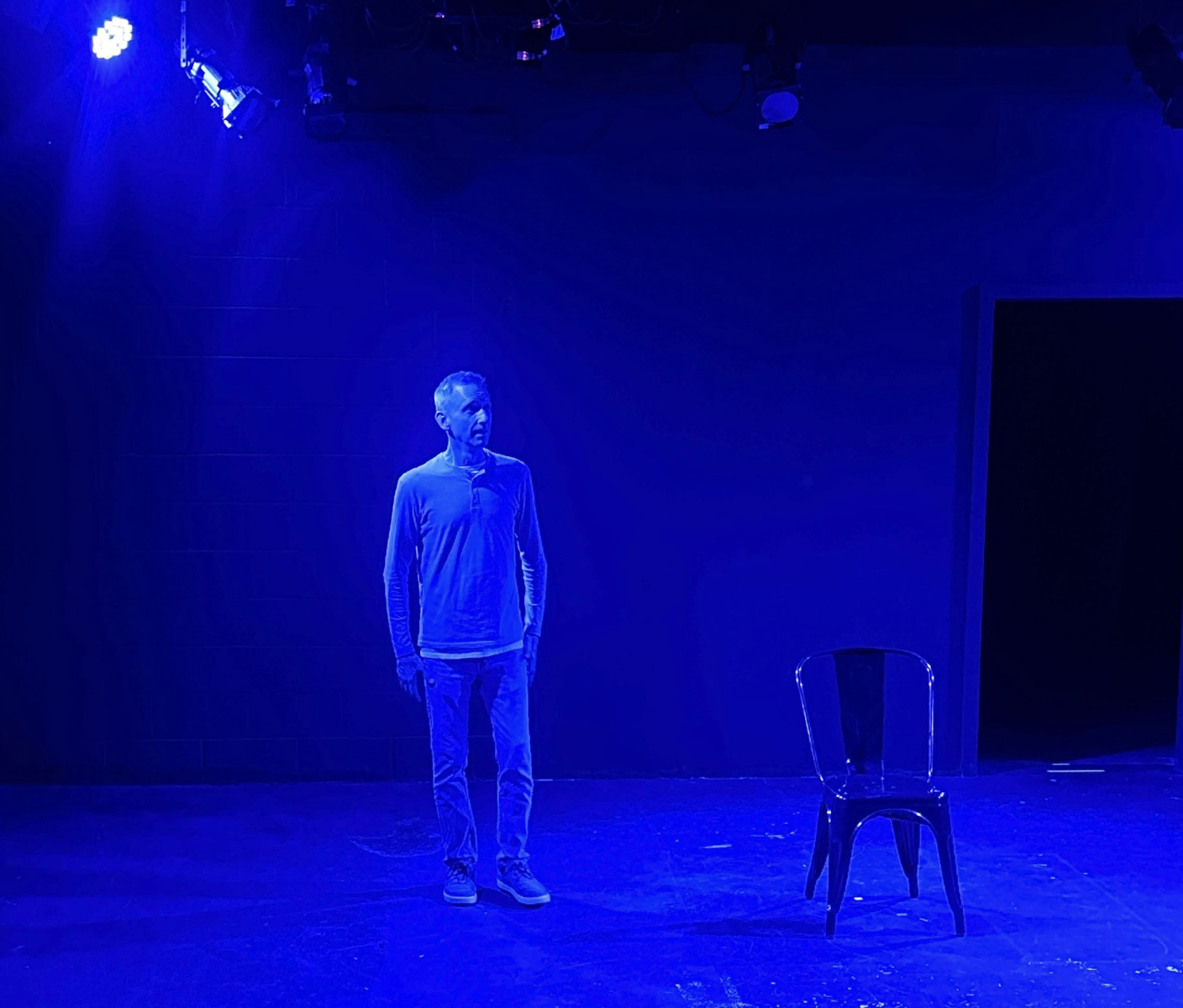
There is a moment near the beginning of Scot Zeller’s astonishing solo play H@PPY F@GGOT when a chance encounter with a much younger queer theatergoer becomes less an anecdote than a provocation. A casually muttered slight, spoken almost too quietly to register, sends Zeller not into retaliation but into contemplation. The conversation he never has with that stranger becomes the conversation he has with the audience instead—a generous, searching attempt to bridge the widening gulf between generations whose freedoms were won under radically different circumstances. That impulse toward understanding rather than accusation animates every moment of this magnificent autobiographical work, a production that is at once uproariously funny, devastatingly sad, and suffused with an almost radical tenderness.
Written and performed by Zeller with remarkable literary grace, H@PPY F@GGOT traces the arc of one gay man's life from childhood in the Pacific Northwest through the cultural upheavals of the 1970s and '80s, the terror of the AIDS epidemic, the long struggle for LGBTQ+ equality, and finally into the quieter triumph of self-acceptance. What distinguishes the piece from the crowded field of autobiographical theater is the richness of its language. Zeller possesses the rare gift of making memory feel simultaneously mythic and intimate. His prose has the cadence of poetry without ever abandoning the conversational ease of a gifted raconteur. Every recollection arrives polished by time yet alive with emotional immediacy, each comic observation revealing unexpected depths beneath its laughter.
The early sections unfold with irresistible humor. Set against a soundtrack of New Romantic classics like "Tainted Love," they evoke an era when discovering one's sexuality required detective work worthy of a spy novel. There are furtive glances at hidden Playboy magazines, hilariously earnest fantasies involving the hunky Dan Haggerty in TV show Grizzly Adams, coded earrings whose significance had to be deciphered, lonely newspaper personal ads answered by carefully typed letters so that no recognizable handwriting could betray their author, and the peculiar agonies of adolescence before the internet transformed isolation into connectivity. Zeller's comic timing is exquisite, but the laughter is never merely nostalgic. Every joke reminds us of the extraordinary labor once required simply to find another person like oneself.
Gradually, almost imperceptibly, innocence gives way to history. The play enters the darkest chapters of the gay experience with extraordinary restraint, allowing the emotional force to accumulate through simple, unembellished truth. The AIDS crisis emerges not as historical backdrop but as an ever-present specter that reshaped every decision, every romance, every medical appointment. Zeller recalls waiting weeks for test results that might determine whether he would live or die, random acts of violence inflicted by strangers who viewed his very existence as provocation, and the grief of watching an entire generation disappear. Yet even here, H@PPY F@GGOT resists becoming an elegy. It honors the dead without surrendering to despair, preserving friends and lovers through memory while insisting upon the resilience of those who survived to remember them.
What ultimately unfolds is not simply the story of a gay man coming out but of a human being learning, over decades, to inhabit his own life without apology. Along the way come ACT UP demonstrations, the arduous campaign for civil rights, commitment ceremonies that predated legal recognition, civil unions, marriage equality, and finally the deeply satisfying account of meeting the man who would become Zeller's husband. Yet the central romance remains the one between Zeller and himself. The greatest victory chronicled here is neither legislative nor political but emotional: the slow, difficult achievement of self-love after years spent believing one's very identity required concealment. In telling his own story, Zeller quietly captures the emotional biography of an entire generation.
The production itself is a model of theatrical economy elevated into artistry. Under the exquisitely calibrated direction of Kimleigh Smith, the barest theatrical vocabulary—a chair subtly repositioned, an elegant shift of lighting, the careful modulation of sound—creates an astonishing succession of fully realized worlds. Smith understands that the greatest spectacle available is Zeller's storytelling itself, and her staging never distracts from it. Instead, she shapes the evening with impeccable rhythm, allowing hilarity and heartbreak to exist not in opposition but in constant, enriching dialogue. One-person plays are notoriously unforgiving; without elaborate scenery or supporting performers, every ounce of dramatic weight rests upon the solitary actor. Zeller carries that burden with such effortless command that the form seems less like a limitation than the only possible vessel for material of this intimacy.
By the time H@PPY F@GGOT reaches its quietly transcendent conclusion, it has become something far larger than autobiography. It stands as an act of historical preservation, a celebration of survival, a love letter to those who came before, and an offering to those fortunate enough to inherit the freedoms they secured. The evening lingers long after the house lights rise, not because it seeks easy catharsis but because it leaves its audience with something rarer: compassion enlarged by understanding. Few solo performances possess such wit, such eloquence, or such emotional generosity. Scot Zeller has fashioned not merely an unforgettable evening of theater but one of those uncommon works that illuminate both a singular life and an entire cultural moment with breathtaking humanity.
Review by Tony Marinelli.
Published by Theatre Beyond Broadway on July 10, 2026. All rights reserved.
