IF I HAD A GUN, I’D TAKE THEM ALL DOWN
Presented by Rehearsal for Truth
Theater Festival honoring Vaclav Havel From FestivALT and Teatr Trans-Atlantyk
In partnership with The Adam Mickiewicz Institute and The Polish Cultural Institute in New York
Written and with video by Piotr Armianovski
Directed/co-created by Paul Bargetto, Performed/co-created by Michael Rubenfeld
Music by Natan Kryszk
Bohemian National Hall, 321 East 73rd Street, in Manhattan
June 20, 2026
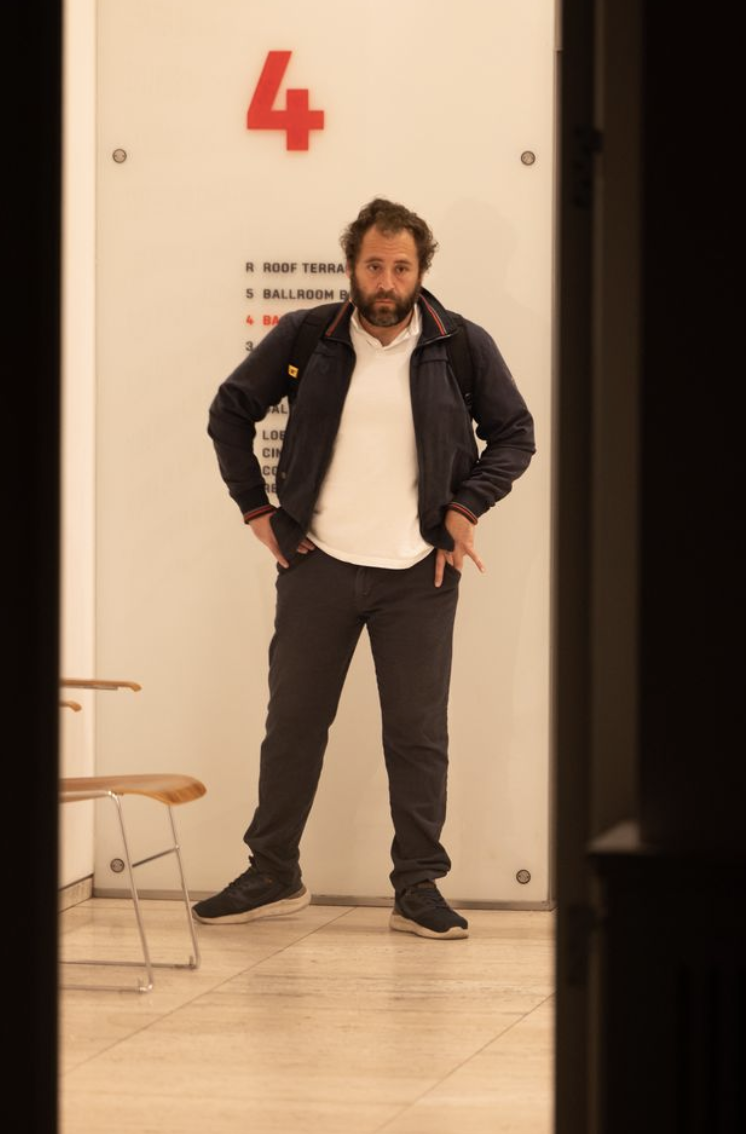
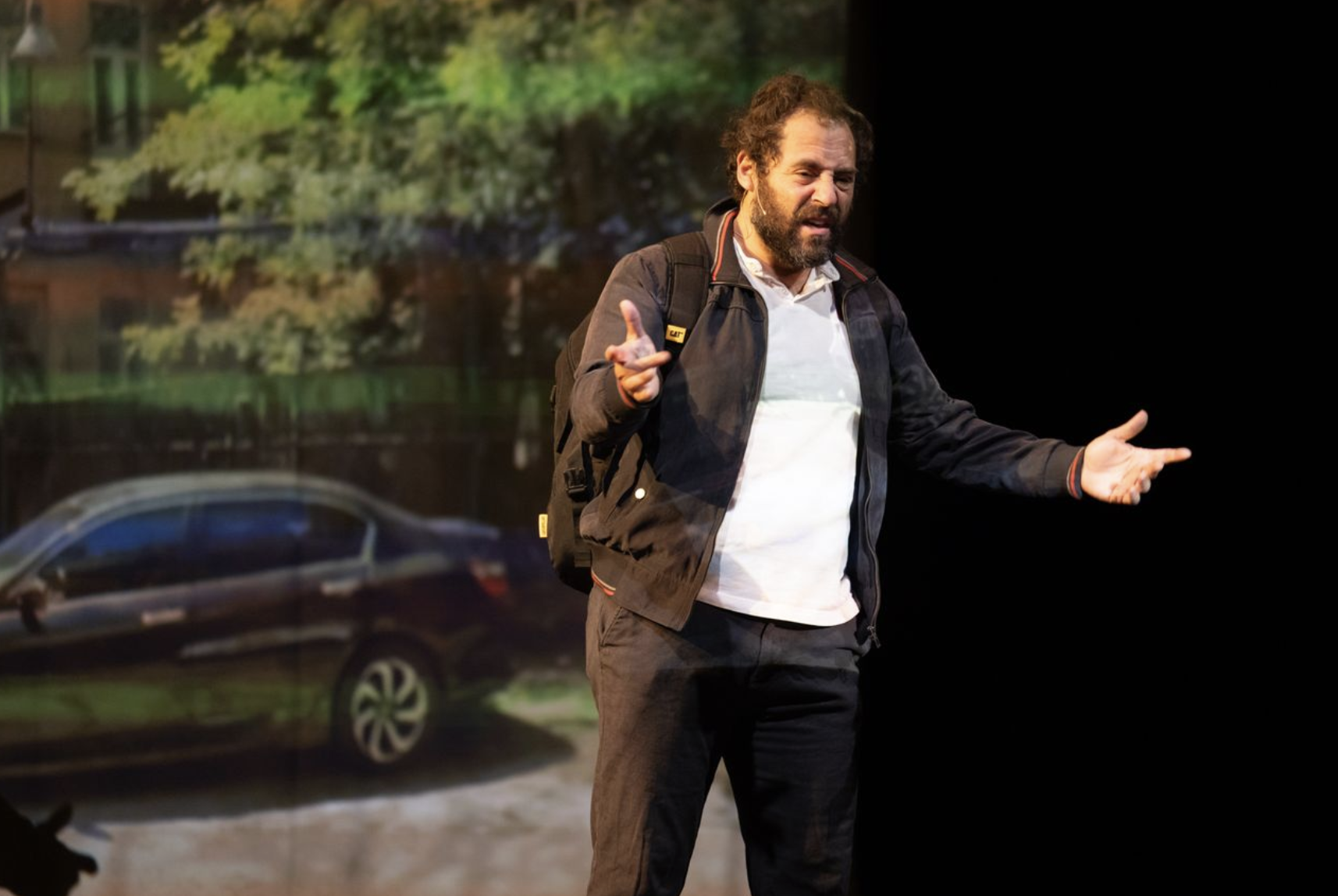
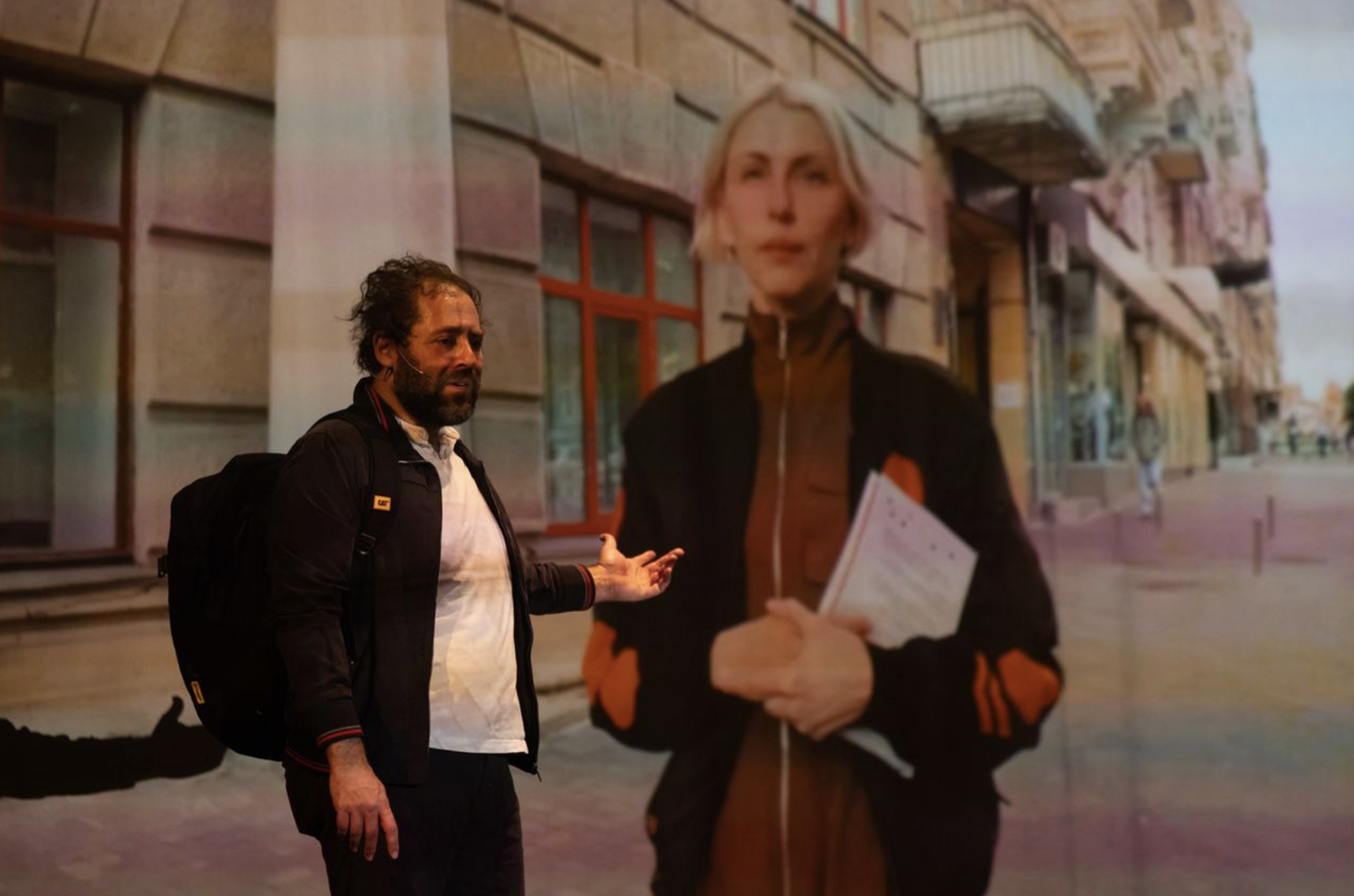
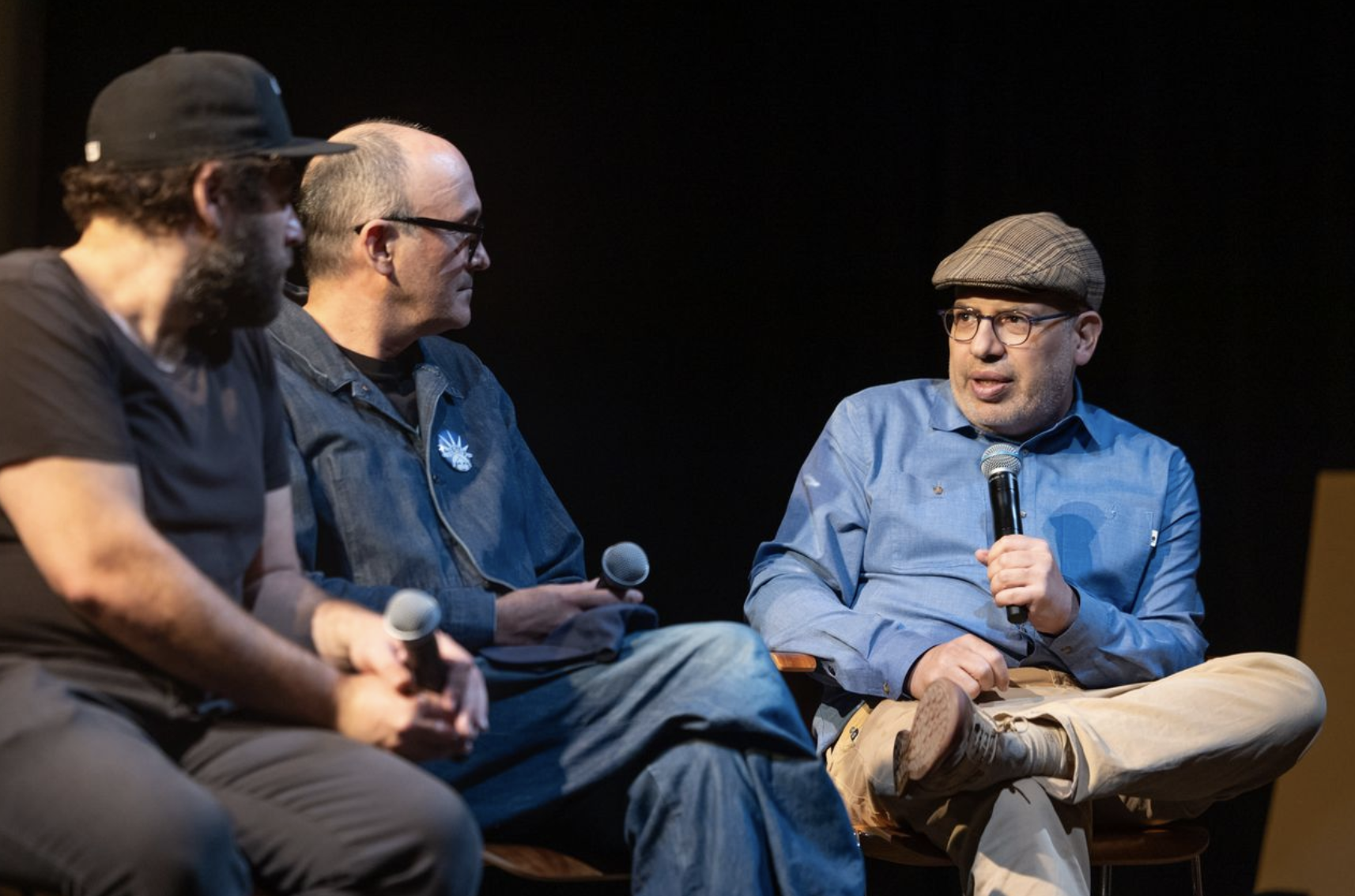
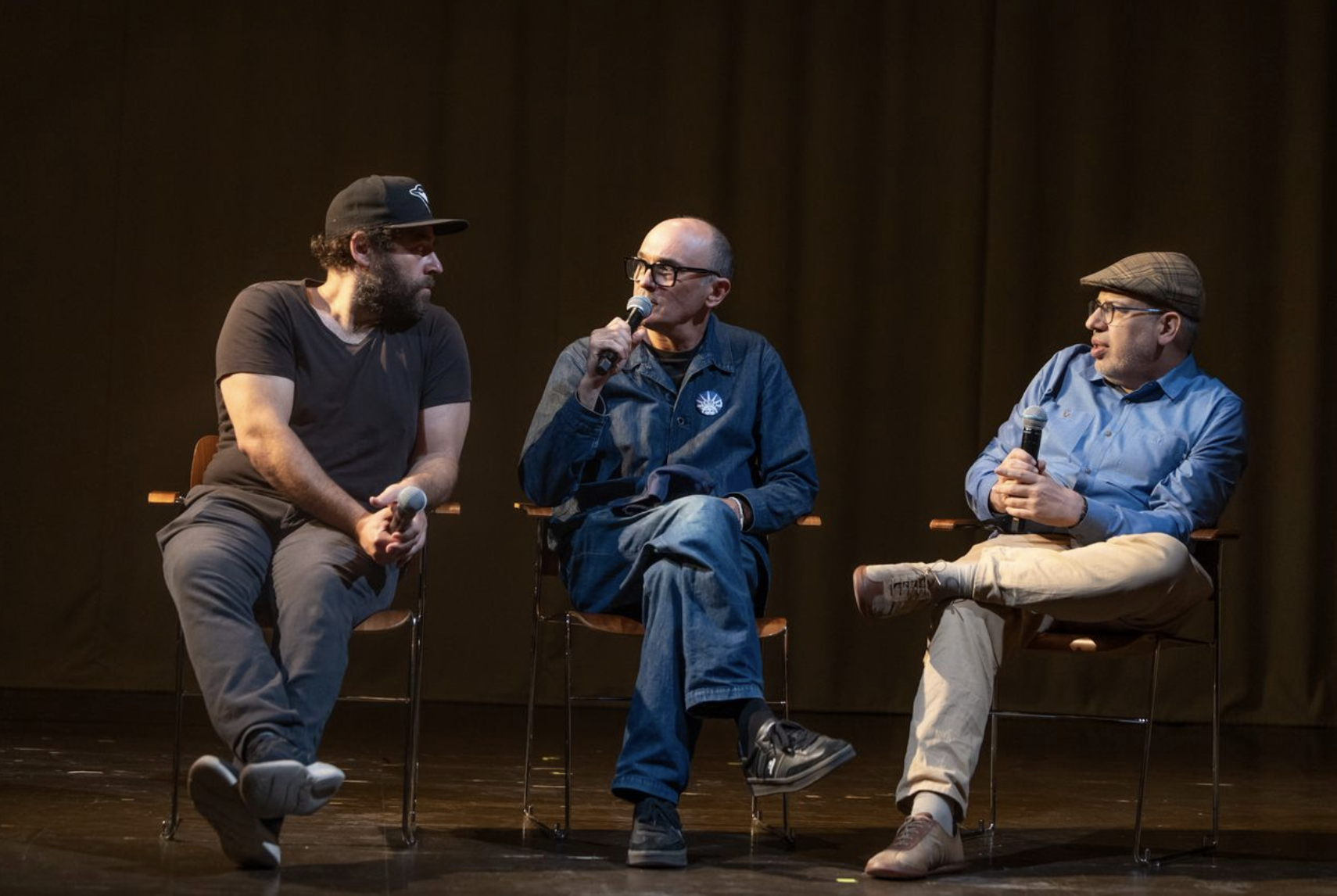
Photo credit by Steve Prue
Piotr Armianovski’s If I Had a Gun, I’d Take Them All Down is less a conventional monodrama than an act of historical excavation, a performance that digs through the sediment of empire until the bones of the present begin to emerge. Inspired by the extraordinary life of Dmitry Bogrov—the Ukrainian-Jewish lawyer, anarchist, police informant, and assassin who murdered Russian Prime Minister Pyotr Stolypin inside the Kyiv Opera House in 1911—the work refuses the comfort of historical distance. Instead, it insists that the audience inhabit a continuum in which imperial violence is never truly past, only reincarnated. The result is one of the most intellectually invigorating and emotionally unsettling theatrical experiences in recent memory, a meditation on revolution, memory, and moral responsibility that feels urgently tethered to Ukraine’s present struggle against Russian aggression.
Performed with remarkable command by Michael Rubenfeld and co-created with director Paul Bargetto, the piece unfolds as an uncanny guided tour through Kyiv itself. Rubenfeld becomes both docent and witness, escorting the audience through projected streets, parks, and landmarks while simultaneously navigating the labyrinth of Bogrov’s fractured conscience. Video projections transform the stage into a living archive: ash trees, flowering chestnuts, towering poplars, and the stately façade of the Kyiv Opera House drift across the performance space with haunting serenity. These images do not merely illustrate the narrative; they become repositories of memory, landscapes bearing silent testimony to generations of upheaval. The production’s elegant integration of video and sound design collapses geography and chronology until contemporary Kyiv and the city of 1911 appear to occupy the same haunted terrain.
Armianovski proves especially adept at illustrating how political extremism germinates not in abstraction but in ordinary encounters with injustice. Rubenfeld recounts the moment the young Bogrov reads a newspaper headline announcing that people have starved to death in London. The revelation shatters his ability to accept everyday life, propelling him toward anarchism with the uncompromising conviction of youth. A copy of Peter Kropotkin’s The Conquest of Bread emerges as both historical artifact and ideological spark, its utopian promises of a society beyond wages and money echoing through generations of radicals. The production never caricatures these ideals. Instead, it grants them their seductive moral seriousness while asking how dreams of universal justice can gradually become entangled with violence, duplicity, and martyrdom.
Rubenfeld’s performance is extraordinary precisely because it resists reducing Bogrov to either hero or monster. With subtle shifts in posture and voice, he inhabits a man pulled apart by competing allegiances: revolutionary and informant, idealist and opportunist, patriot and traitor. His account of Bogrov’s fatal deception—convincing the Tsarist authorities that radicals intend to assassinate Stolypin while secretly planning to commit the murder himself—plays less like a political thriller than a spiritual tragedy. Even the meticulously staged transformation into evening attire before the assassination becomes charged with unbearable inevitability. As Rimsky-Korsakov’s setting of Pushkin’s The Tale of Tsar Saltan fills the theater, beauty and brutality occupy the same breath, reminding us that history’s most catastrophic acts often unfold amid civilization’s most refined rituals.
What distinguishes If I Had a Gun, I’d Take Them All Down from more familiar political theater is its refusal to offer easy ideological conclusions. Armianovski is less interested in the mechanics of assassination than in the stubborn resilience of empire itself. Stolypin dies, yet the machinery of autocracy barely hesitates; the Tsar does not even attend his prime minister’s funeral. The production finds devastating resonance in Pushkin’s seemingly innocent fairy tale, particularly the opening scene in which two sisters dream of feeding the hungry and clothing the poor while the youngest promises only to produce an heir. Predictably, the Tsar chooses dynastic continuity over social justice. The anecdote lands not as literary trivia but as a piercing observation about the self-perpetuating instincts of power, an insight that reverberates across centuries of Russian imperial history.
The evening ultimately becomes something larger than the story of one assassin or even one nation. Armianovski continually folds contemporary Ukraine into the historical narrative, invoking murdered journalists, compromised loyalties, and cities where yesterday’s liberators may become tomorrow’s mercenaries. Reports of famine, war, and displacement—from Ukraine to Gaza—hover at the edges of the performance, expanding its ethical inquiry far beyond Eastern Europe. The title itself becomes less a threat than an impossible moral proposition. What price, the play repeatedly asks, are we willing to pay for justice? When does resistance become complicity, and when does idealism curdle into destruction? Few contemporary works are brave enough to leave such questions unresolved.
Rather than delivering answers, If I Had a Gun, I’d Take Them All Down trusts its audience with the far more demanding task of sustained reflection. It is a rare work of political theater that possesses genuine literary depth, marrying rigorous historical inquiry with poetic theatrical imagination. Rubenfeld’s mesmerizing performance anchors an evening of uncommon intelligence, while Armianovski and Bargetto craft a theatrical language in which history, philosophy, and personal testimony coexist with startling clarity. The result is not merely a play about Ukraine but a profound examination of how individuals confront systems of violence that seem both eternal and invincible. Long after the final image fades, the questions it raises continue to echo with unsettling force.
Click HERE for tickets.
Review by Tony Marinelli.
Published by Theatre Beyond Broadway on June 30, 2026. All rights reserved.
