Joe’s Pub at The Public Theater, 425 Lafayette Street, in Manhattan
Saturday June 27, 2026 9:30pm
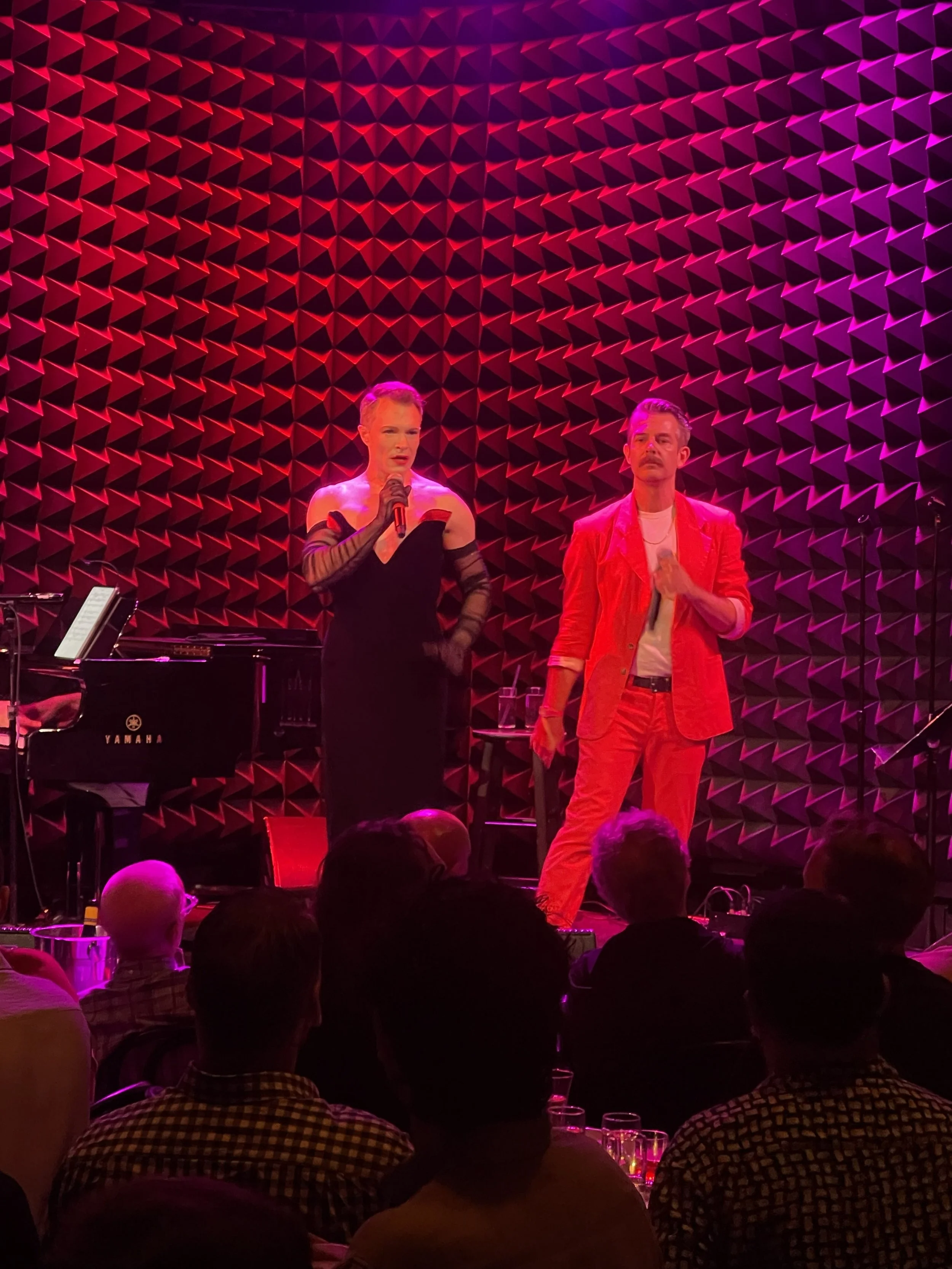
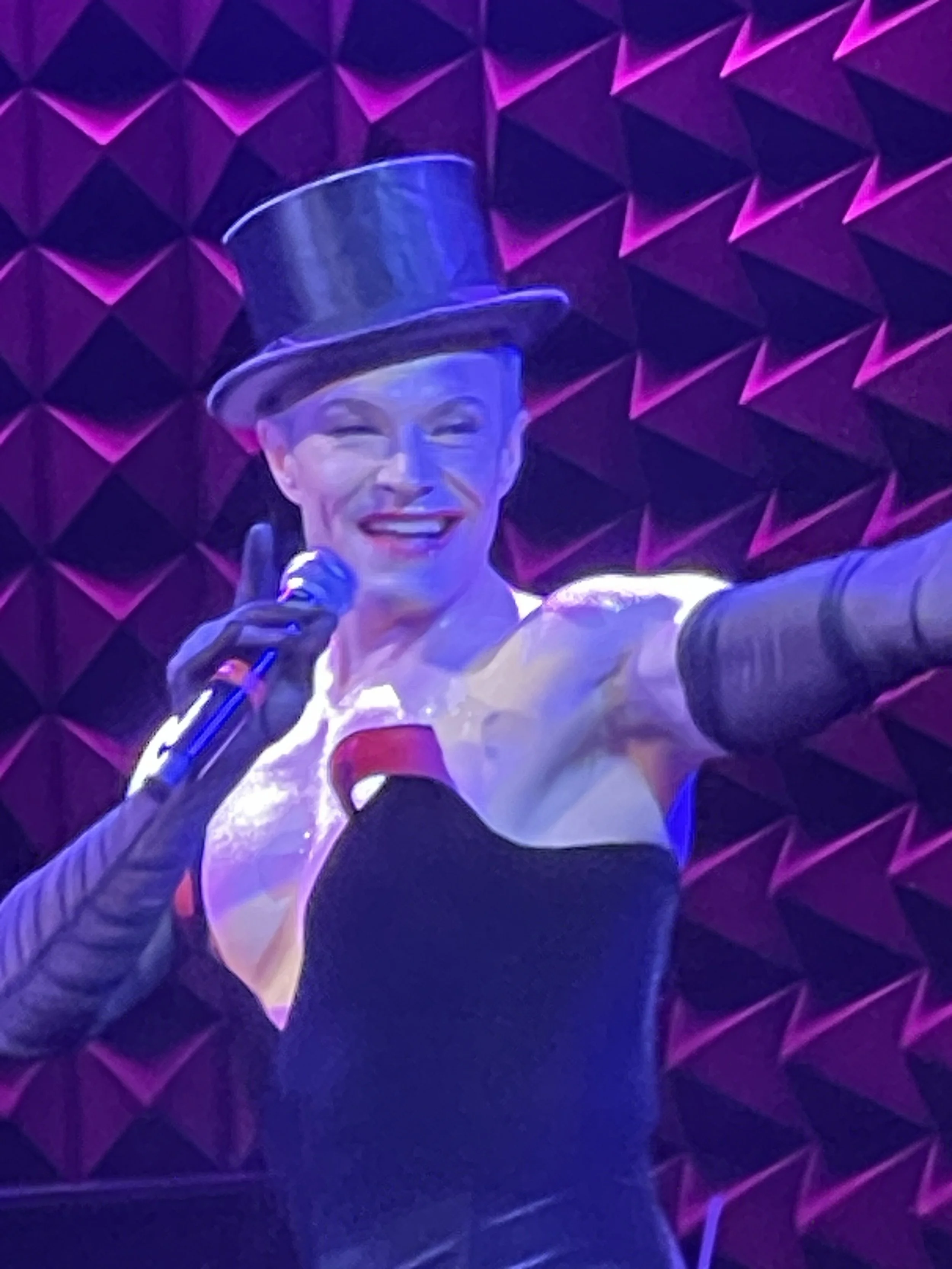
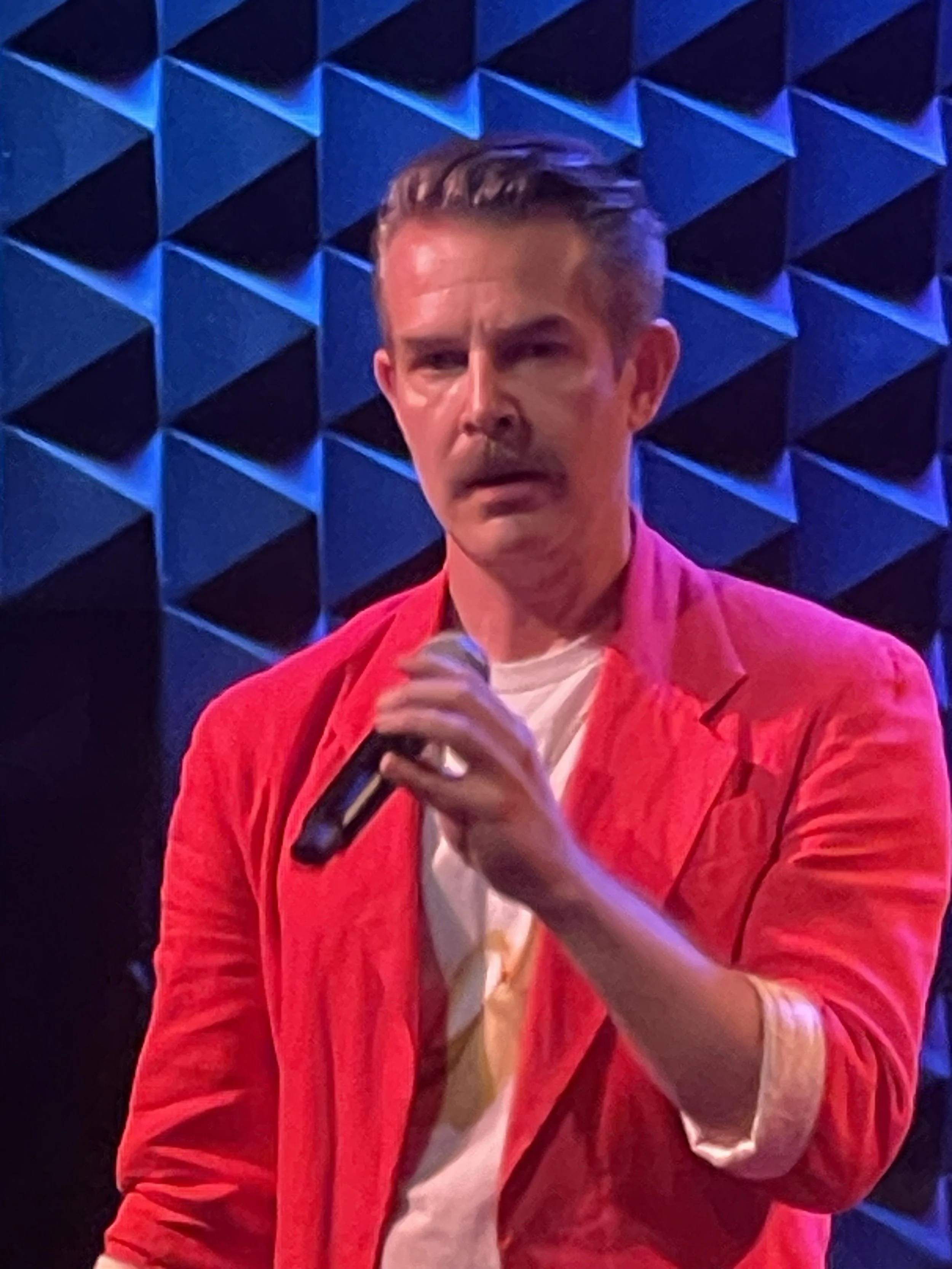
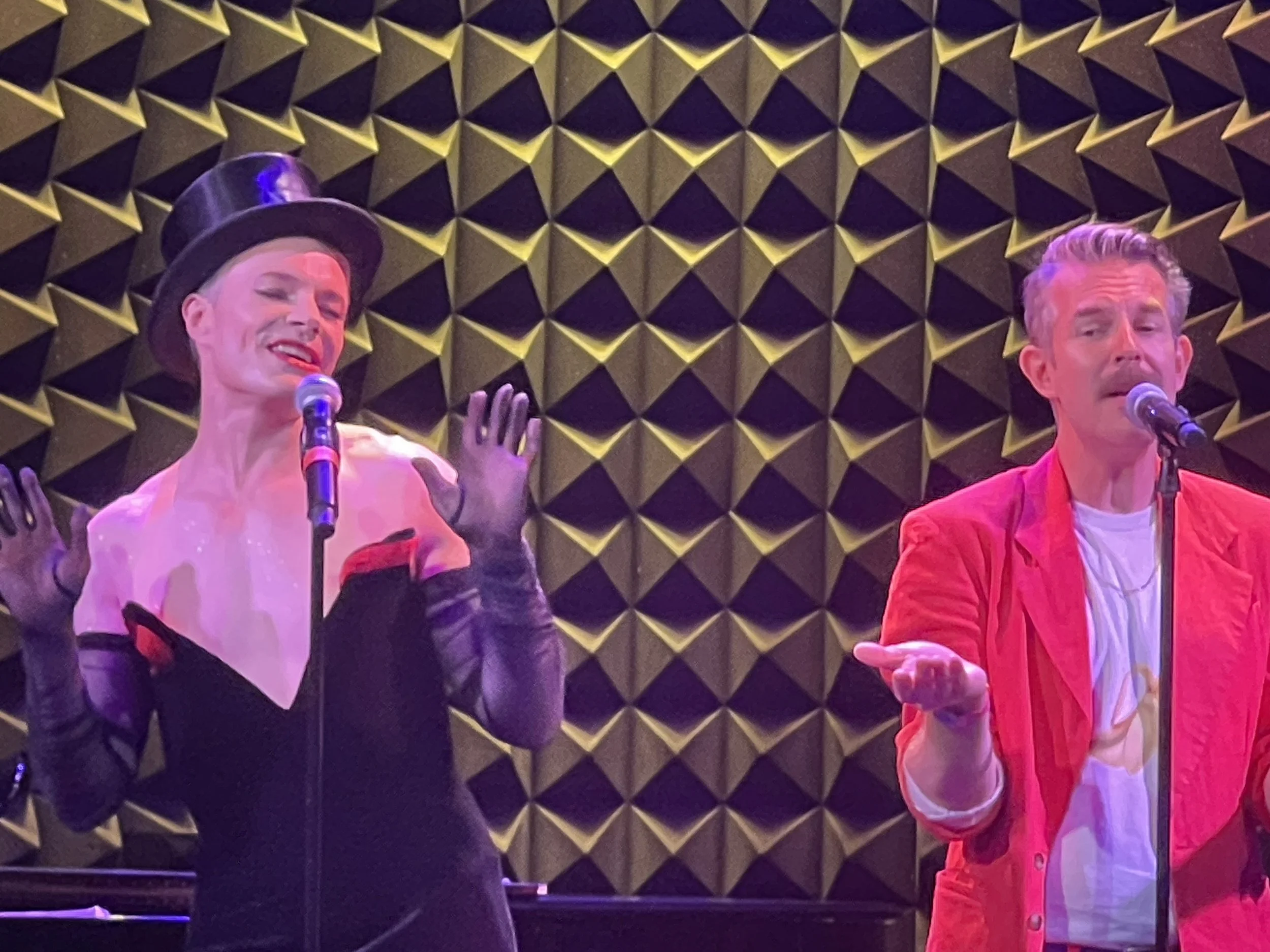
Padam Butterfly: All the Lovers and Then Some is less a cabaret than a manifesto disguised as a party. It is a celebration of queer endurance, queer lineage, queer camp, and queer joy that understands, perhaps better than many productions mounted during Pride Month, that resilience is most persuasive when wrapped in glamour. Australian cabaret provocateur Kim David Smith and Welsh electro-pop polymath Bright Light Bright Light (Rod Thomas) seem, at first glance, unlikely collaborators. One is steeped in the decadent shadows of Weimar Berlin and the torch songs courtesy of the American Songbook, the other in the shimmering synth-pop optimism of the dance floor. Yet what unfolds over the course of this exhilarating evening is proof that these traditions are not opposites but branches of the same family tree, each born from communities determined to survive by singing louder than the world that sought to silence them. Supported by the elegantly responsive musical direction of Brian Nash and enhanced by the incomparable presence of cabaret legend Sidney Myer, the evening becomes both concert and communion.
Brian Nash's opening overture immediately establishes the evening's dual identity. Rather than serving merely as an introduction, it functions as an overt invitation into a world where Berlin cabaret, disco, torch song, and contemporary queer pop coexist without hierarchy. Nash's arrangements possess an easy sophistication, moving fluidly between lush theatrical accompaniment and rhythmic pop propulsion, preparing the audience for an evening that refuses to recognize artificial boundaries between genres or generations.
The title number, the irresistible "Padam Padam," a Piaf-inspired, French translation (by Gay Marshall) of Kylie Minogue's electronic dance hit, explodes into the room with gleeful confidence as Smith and Bright Light Bright Light immediately reveal the chemistry that makes the evening so irresistible. Smith's sly theatricality dances effortlessly alongside Thomas's bright, emotionally transparent vocals, each performer illuminating different facets of the song's flirtatious pulse. From there Smith pivots gracefully into a stunning pairing of "Black Coffee" and "Something Cool," transforming two classic torch songs into a meditation on loneliness that never descends into self-pity. His famously androgynous instrument—part Marlene Dietrich, part David Bowie, wholly his own—wraps itself around every phrase with exquisite precision. "Guess Who I Saw Today," an Eartha Kitt classic (that comes toting a typical Eartha vignette about her dogs being lovers), becomes less a familiar dramatic standard than a miniature psychological thriller, Smith unfolding the devastating revelation with almost unbearable restraint before delivering its emotional coup de grâce. He follows it with "Falling in Love Again," reclaiming Dietrich's immortal anthem not as nostalgic impersonation but as living, breathing cabaret. Every ironic smile and languorous phrase suggests that love remains humanity's most deliciously recurring mistake. His blazing rendition of "Kabarett" completes this remarkable sequence by reminding us that cabaret has always been an act of cultural resistance masquerading as entertainment.
The evening's sole guest appearance proves anything but incidental. Sidney Myer brings decades of cabaret authority to "That's Him" from One Touch of Venus, delivering the Kurt Weill gem with effortless wit and impeccable timing. Myer understands that sophistication need never announce itself; it simply occupies the room. The performance sparkles with understated humor while carrying the unmistakable elegance of an artist whose relationship with this repertoire has been cultivated over a lifetime. Rather than interrupting the evening's momentum, Myer's appearance deepens its historical perspective, connecting contemporary queer performance with the rich cabaret traditions from which it descends.
Bright Light Bright Light then gradually shifts the emotional landscape toward contemporary queer pop without sacrificing the intimacy established earlier. The radiant duet "Next To You" reveals Thomas's remarkable gift for melodic generosity, his crystalline vocals intertwining beautifully with Smith's darker timbre until the song becomes a conversation about chosen family rather than merely romantic devotion. Alone onstage for "Cry at Films," Thomas transforms what might seem a whimsical confession into something unexpectedly profound, capturing the vulnerability of those whose emotional lives have always found refuge in cinema, music, and imagination. His delivery is disarmingly sincere, making sentiment feel like courage rather than indulgence.
If "Cry at Films" reveals Thomas's heart, then "Boys Etc." reveals his mischievous intelligence. The song crackles with playful observations about queer desire and identity, its infectious hooks disguising incisive social commentary. Thomas performs it with irresistible charm, allowing every witty lyric to land naturally without sacrificing musicality. He follows it with the exuberant title track from his acclaimed album, "Enjoy Youth," which becomes the evening's emotional center. Far from advocating naïve optimism, the song celebrates survival itself, encouraging audiences to embrace joy precisely because history has so often denied it. "It's Alright, It's OK" extends that affirmation with infectious warmth, transforming reassurance into an act of communal healing. Thomas's ability to marry shimmering dance production with genuine emotional depth places him among the most compelling queer pop songwriters working today.
The concert concludes with two ecstatic celebrations that lift the room into collective euphoria. Kylie Minogue's "Your Disco Needs You" emerges as more than camp anthem; in Smith's and Thomas's hands it becomes a declaration that dance floors remain sacred spaces of liberation, where identity is affirmed beneath mirrored lights and relentless rhythms. Their infectious rapport dissolves the boundary between performers and audience until the room feels united by shared delight. Finally, "All the Lovers" arrives not simply as a finale but as a benediction. Their soaring harmonies transform Minogue's anthem into an expansive embrace, suggesting that love, in all its varied and beautifully queer forms, remains humanity's most radical act. Few finales manage simultaneously to exhilarate and console; this one accomplishes both with breathtaking ease.
What lingers after Padam Butterfly: All the Lovers and Then Some is not merely the memory of exceptional singing or impeccable musicianship, though both are abundant. It is the exhilarating realization that Smith and Bright Light Bright Light have fashioned an evening in which every song speaks to the next across decades of queer cultural history, from Weimar Berlin to twenty-first-century dance clubs, from torch songs whispered in smoky cabarets to synth-pop anthems shouted beneath disco balls. Their concert argues persuasively that these are chapters of the same ongoing story—a story of survival through style, of resistance through beauty, and of community built one unforgettable song at a time. In an era when Pride can too easily become branding rather than belonging, Padam Butterfly reminds us that the most meaningful celebrations are those that invite everyone onto the dance floor while never forgetting those who first fought to keep the music playing.
Review by Tony Marinelli.
Published by Theatre Beyond Broadway on July 23, 2026. All rights reserved.