The Bat
Written by Krisztina Tóth, Translated by Szilvi Náray, Directed by Ildikó Németh
New Stage Performance Space | 36 West 106th Street, New York, NY 10025
March 20, 2026 - April 4, 2026

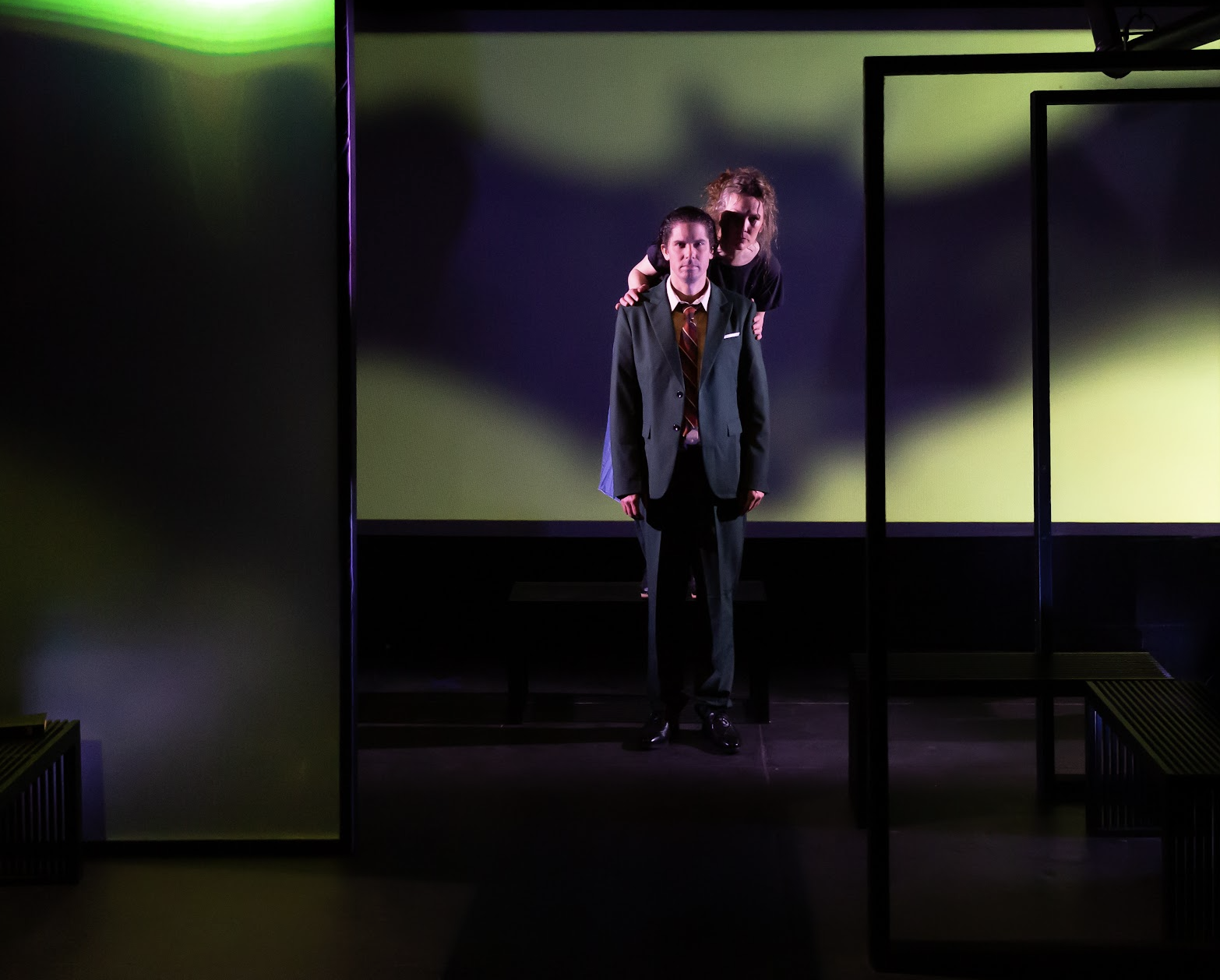


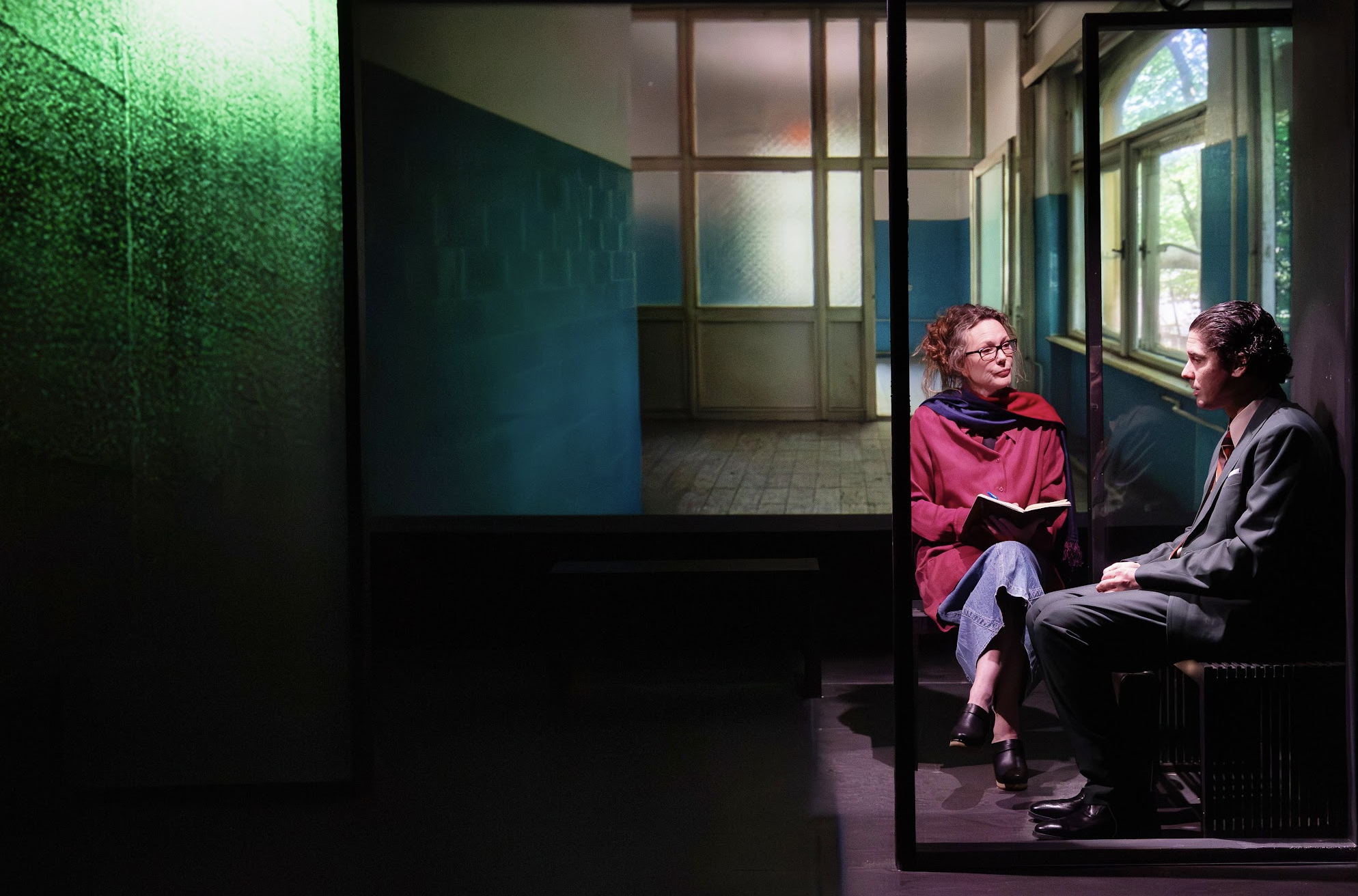
Welcome to the dark underbelly of primary school years. Come again, dark underbelly? There is a lot more beneath the surface of innocence than you think. Acclaimed Hungarian author and playwright Krisztina Tóth explores the complexities of navigating the labyrinth of kindergarten in The Bat. Two separated parents co-parent their son. In his kindergarten class, he loses his beloved toy bat, which unravels the socially obscure dynamics between the kindergarten teacher, mother, and student.
It comes as no surprise that in the mix of all this, the father, played by Ádám Boncz, is spared from elementary school teacher microaggressions riddled with judgment and pestering. The clearly biased teacher looks up to the father in admiration for being a lawyer and for his daily duties of picking his child up. Meanwhile, the same teacher passes snide remarks about his ex’s career as an “actress,” painting her as self-involved and not as capable as him.
Director Ildiko Nemeth utilizes the space of the theater in ways that further elaborate the dark undertones throughout. The projections for scene changes are simple yet effective. The rooms, such as the apartment or the kindergarten classrooms, are mundane and sanitary, and the audience remains focused on the performances as opposed to distractions from elaborate scene changes. The theater, New Stage Performance Space, is located in a basement, the space intimate, and the audience is very close to the action.
The light from the projections contrasts with the black stage, appearing like a chic modern art gallery. Minimal props are used. The focus here is the heightened tension between characters in their underlying subtext with one another. This is a play where every word, no matter how trivial, is layered with meaning. The symbol of the toy bat, as simple as it may appear, is also not the most common toy a child cherishes. A bat symbolizes darkness, loneliness, and misunderstanding. Bats are resilient, communal, and a significant part of our ecosystem. A child who chooses a toy bat to love may appear as an outlier, misunderstood, but in their unique choices they may someday grow into a potential trailblazer.
The cast comprises two actors playing a few different roles. Actress Sarah Lemp plays the mom and the kindergarten teacher. Seeing the actress transition from kindergarten teacher to mom is a visual delight. Her kindergarten garb, with Dora the Explorer on her sleeves, evokes the image of a school teacher who is kind and welcoming, but beneath the surface lurks judgment and discernment in her eyes. As she transitions to the role of mom, we often see her on the phone carrying conversations with her mother over speakerphone. Even though her mother is just a voice we hear, she becomes a welcome comedic respite, from a classic baby boomer trying to figure out the button for video to her old school bias on people.
In a particularly disturbing moment in the play, many existential layers surface. The teacher, a silhouette behind a screen, is talking to the child who lost his toy bat, but instead a doll stands in place of a real child meant to represent him. Watching the actress interact with the doll creates an eerie dread of, “What is she going to do next? What is on her mind?” This moment, layered in subtext, cannot help but make you wonder who is the person you truly entrust to care for your young child. In this awkward moment, she is clearly annoyed with him for peeing in his pants and then having to use an extra pair of pants from another child. Once again, the teacher alludes to neglect while also shaming the child for being six years old and wetting himself. This heavy and profound moment amplifies the many mixed messages peppered throughout the play.
As women worldwide have been historically underrepresented in theater, now more than ever we must encourage and support works by women. The Bat is a play that would take on a completely different perspective were it written by a man. This particular play speaks volumes about the double standards women face in society. Having also been directed by a woman, the nuances a female director might pick up create an exclusivity that can only be fully understood from one woman to another. Krisztina Tóth has had her work translated into over 20 languages and is one of Hungary’s leading literary voices. While The Bat may have been written by a Hungarian, her work transcends all cultures and unites in how raising children is universal. Beneath the surface, what may appear seemingly innocent is really your conscience battling wits with those who you are best to keep at bay.
Review by Bianca Lopez.
Published by Theatre Beyond Broadway on March 29th, 2026. All rights reserved.
