
Presented by Heartbeat Opera
Composed by Samuel Barber, Libretto by Gian Carlo Menotti
Adapted and Musically Directed by Jacob Ashworth
Newly Arranged by Dan Schlosberg, Directed by R. B. Schlather
Baruch Performing Arts Center, 55 Lexington Avenue, in Manhattan
May 12, 2026 - May 31, 2026
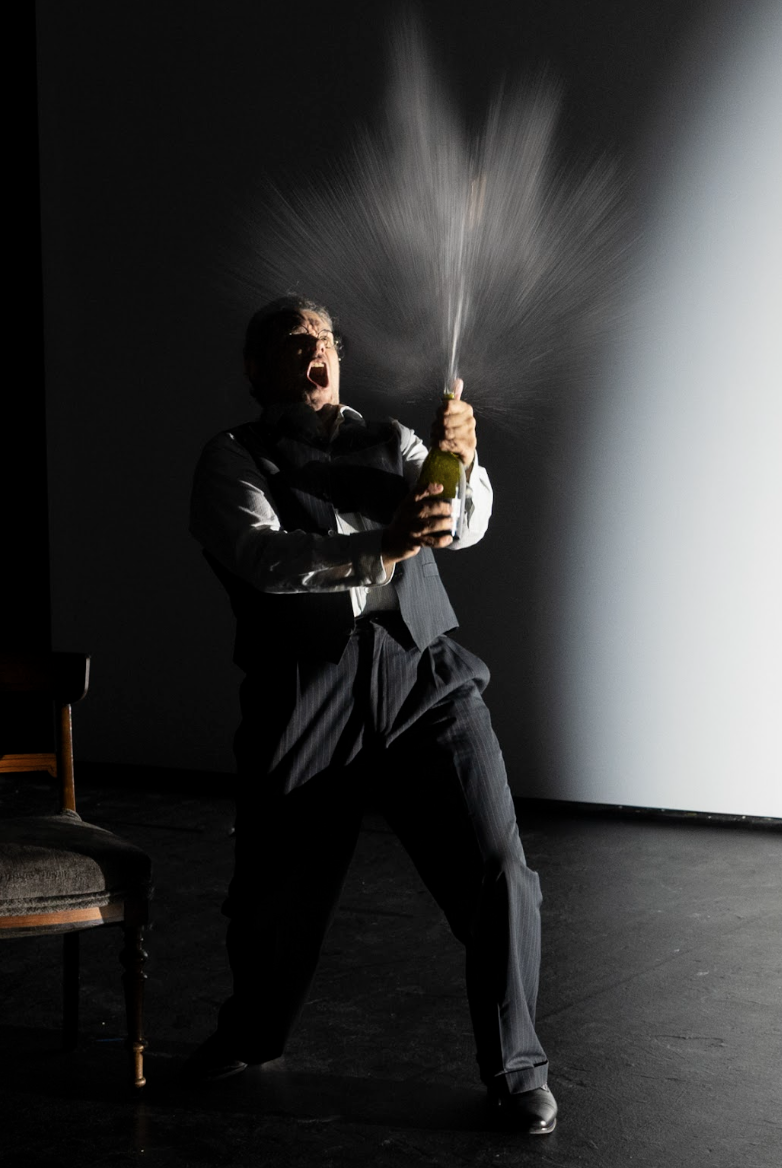
For more than a decade, Heartbeat Opera has been conducting one of the most thrilling guerrilla campaigns in American music theater: storming the marble citadels of grand opera with a handful of musicians, a sheaf of radical ideas, and a near-messianic belief that masterpieces become more dangerous when stripped of their ornamentation. Under the leadership of Jacob Ashworth and Dan Schlosberg, the company has already performed acts of aesthetic vivisection upon Weber, Beethoven, Gounod, Puccini, Tchaikovsky, and Strauss, compressing sprawling repertory monuments into chamber-sized detonations of feeling. Their new rendering of Vanessa may be their most astonishing achievement yet: a scorching, psychologically merciless evening that feels less like a revival than a resurrection.
The production arrives trailing a rare commodity in contemporary opera—genuine excitement. After premiering to rapturous acclaim at the Williamstown Theatre Festival last summer, the show has inspired the kind of fervor usually reserved for pop concerts and prestige television finales; additional performances for its New York engagement had to be added repeatedly to meet demand. One understands why within minutes. Heartbeat has not merely “updated” Barber and Menotti’s 1958 Pulitzer-winning opera. It has uncovered the feverish Gothic chamber drama lurking beneath the mid-century prestige lacquer, exposing the work as a savage anatomy of longing, vanity, erotic bargaining, and emotional inheritance.
When Samuel Barber and Gian Carlo Menotti unveiled Vanessa at the old Metropolitan Opera in 1958, it arrived with all the trappings of cultural coronation: lavish Cecil Beaton designs, a luxury, starry cast in Eleanor Steber in the title role, Rosalind Elias as Erika, Nicolai Gedda as Anatol, Regina Resnik as the Baroness and Giorgio Tozzi as the Doctor, Dimitri Mitropoulos in the pit, and a company eager to prove that American opera could sustain both glamour and seriousness. The work was initially embraced, then quietly abandoned after the Met’s move to Lincoln Center, becoming one of those ghostly American masterworks admired more often than staged. Heartbeat’s production makes that neglect seem almost incomprehensible. Seen here, Vanessa is not a period piece but a live wire.
Menotti’s libretto, with its hints of Karen Blixen and its brooding Scandinavian atmosphere, unfolds like a nightmare Chekhov play rewritten by Tennessee Williams after too much champagne and too little sleep. In an isolated manor house somewhere in the frozen north, Vanessa has spent two decades awaiting the return of the lover who abandoned her. The mirrors are covered, time itself suspended. Her household consists of her niece Erika, the mute and implacable Baroness (Vanessa’s mother) and an aging Doctor whose nostalgia has long since curdled into impotence. Then Anatol arrives—not the original seducer, but his son and namesake, a handsome opportunist who proceeds to entangle both Vanessa and Erika in a web of erotic confusion and emotional commerce. By the opera’s end, generations appear doomed to repeat themselves in an endless cycle of waiting, silence, and self-deception.
Ashworth’s adaptation is ruthless in the best sense. Minor characters and decorative subplots vanish; exposition is pared to the bone. What remains is the emotional core of the piece, concentrated into something nearly unbearable in intensity. The reduction has the paradoxical effect of enlarging the opera. By isolating these five damaged souls against an almost abstract landscape, Ashworth transforms Vanessa into a study of mutually reinforcing delusions. Every glance acquires seismic force. Every silence becomes accusatory. The audience is denied the comforting distance of operatic pageantry and instead forced into suffocating proximity with the characters’ emotional evasions.
Schlosberg’s chamber re-orchestration is nothing short of miraculous. Barber’s original score, lush and symphonic, can sometimes smother the drama in velvet. Here, reduced to an ensemble of only seven players, the music acquires a dangerous transparency. The arrangement preserves Barber’s aching lyricism and icy harmonic unease while introducing an acidic sharpness all its own; at moments, the score seems to wander into the decadent cabaret world of Weimar Berlin before returning to Barber’s sumptuous melancholy. Schlosberg, a master colorist, never treats reduction as compromise. Instead, he reveals details buried inside the orchestral fabric, allowing motives to flash like exposed nerves. Under the baton of Ashworth, the music pulses with erotic dread.
The director R. B. Schlather stages the opera with an austere visual rigor that borders on the hallucinatory. Jiaying Zhang’s set based on an original design of Schlather’s is virtually nonexistent: a bare playing space, a few chairs, and a vast white expanse that swallows the characters whole. Yet this emptiness becomes terrifyingly expressive. Figures drift through the space like condemned souls in a snowstorm. Schlather’s blocking possesses the severe clarity of geometry; bodies align, separate, and collapse into configurations that seem to diagram emotional catastrophe itself. The production’s final quintet, “To leave, to break,” is staged with such brutal emotional nakedness that it leaves the audience feeling almost voyeuristic.
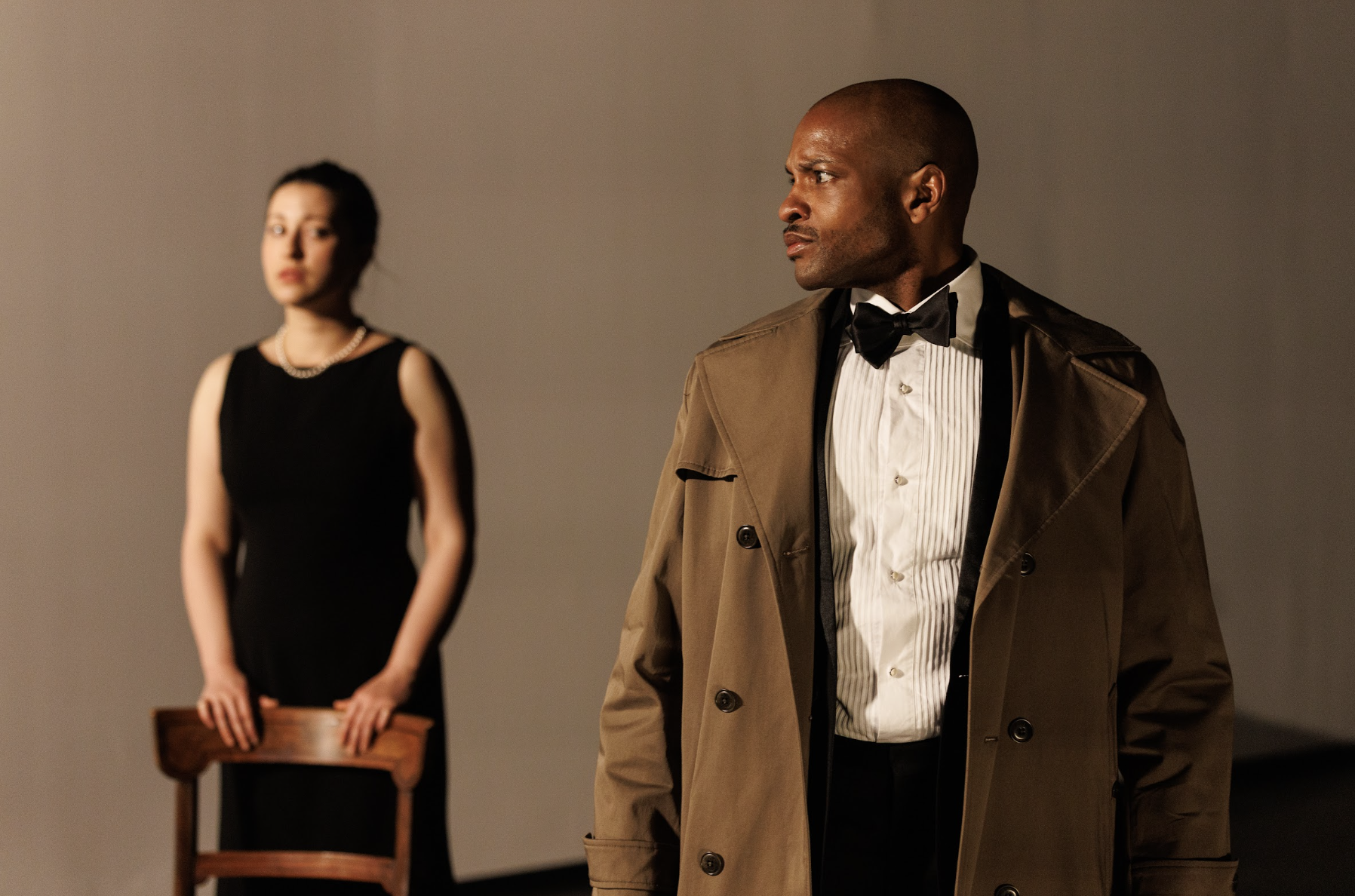
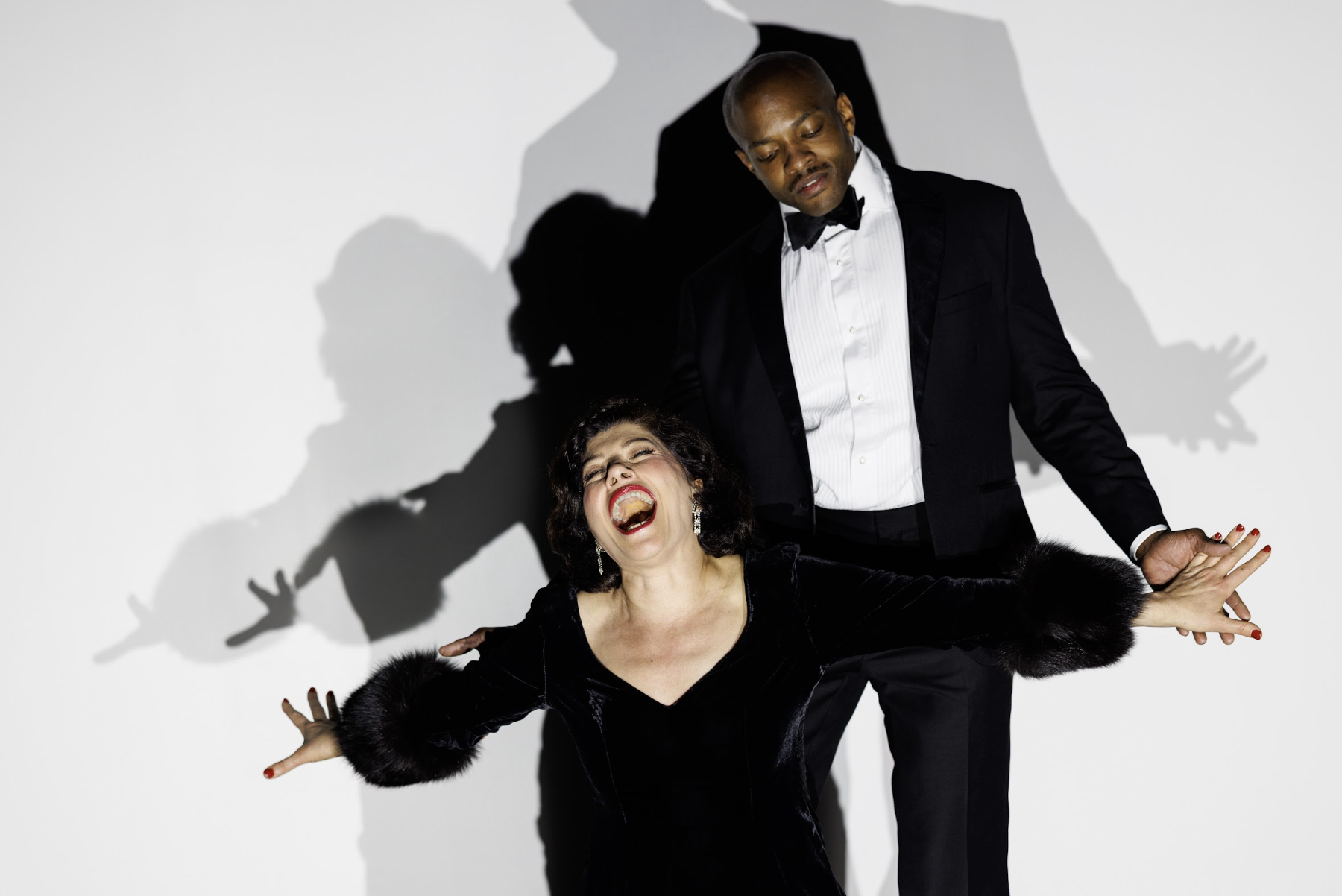
Lighting designer Yuki Nakase Link supplies the evening’s atmosphere of suffocating spiritual frost. Characters appear first as monstrous shadows, looming across the white backdrop like projections from Vanessa’s subconscious. Most haunting of all is Link’s recurring use of a blazing rectangle of white light that traps Vanessa and Erika in moments of unbearable vulnerability, as though they were specimens pinned beneath glass. Terese Wadden complements the production’s monochrome severity with costumes of black and white elegance. Vanessa and Anatol radiate cultivated sophistication, while Erika’s transition from white innocence to black resignation becomes one of the production’s most devastating visual motifs.
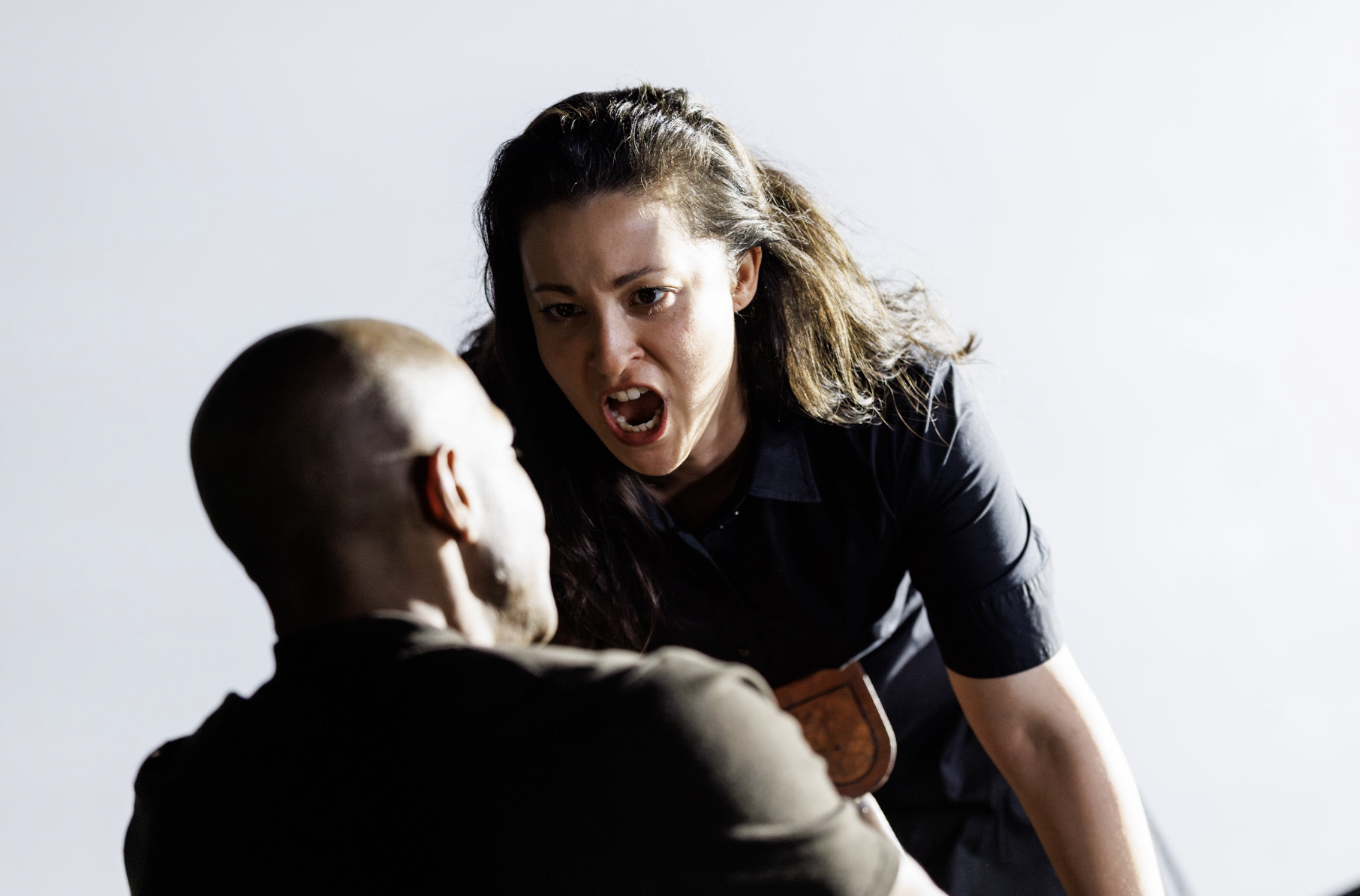
At the center of the evening stands Inna Dukach, delivering a Vanessa of extraordinary volatility and glamour. Dukach understands that the character’s theatricality is not incidental but existential: Vanessa performs herself into being. Draped in pearls and velvet, she oscillates between grand operatic self-invention and moments of naked panic. Her rendition of “Do Not Utter a Word” arrives like an emotional detonation, blazing with desire, terror, and denial simultaneously. Yet Dukach’s greatest triumph comes later, when the façade briefly cracks and Vanessa reveals a trembling tenderness toward Erika. In those moments, one glimpses the frightened woman beneath the diva-like self-mythology.
If Vanessa is the opera’s tragic narcissist, Kelsey Lauritano’s Erika is its wounded conscience. Lauritano gives the production’s defining performance: inward, haunted, and vocally ravishing. Her “Must the Winter Come So Soon?” emerges not as a decorative aria but as the spiritual thesis of the evening, a lament for emotional extinction itself. Ashworth and Schlosberg make the inspired decision to reprise the aria at the opera’s conclusion, after Vanessa and Anatol depart. By then, the song has become unbearable. Erika, dressed exactly as Vanessa appeared at the beginning, realizes she has inherited not merely her aunt’s loneliness but her entire emotional destiny. Lauritano’s final recoiling terror inside that shrinking blaze of white light is among the most harrowing images one may see on an operatic stage.
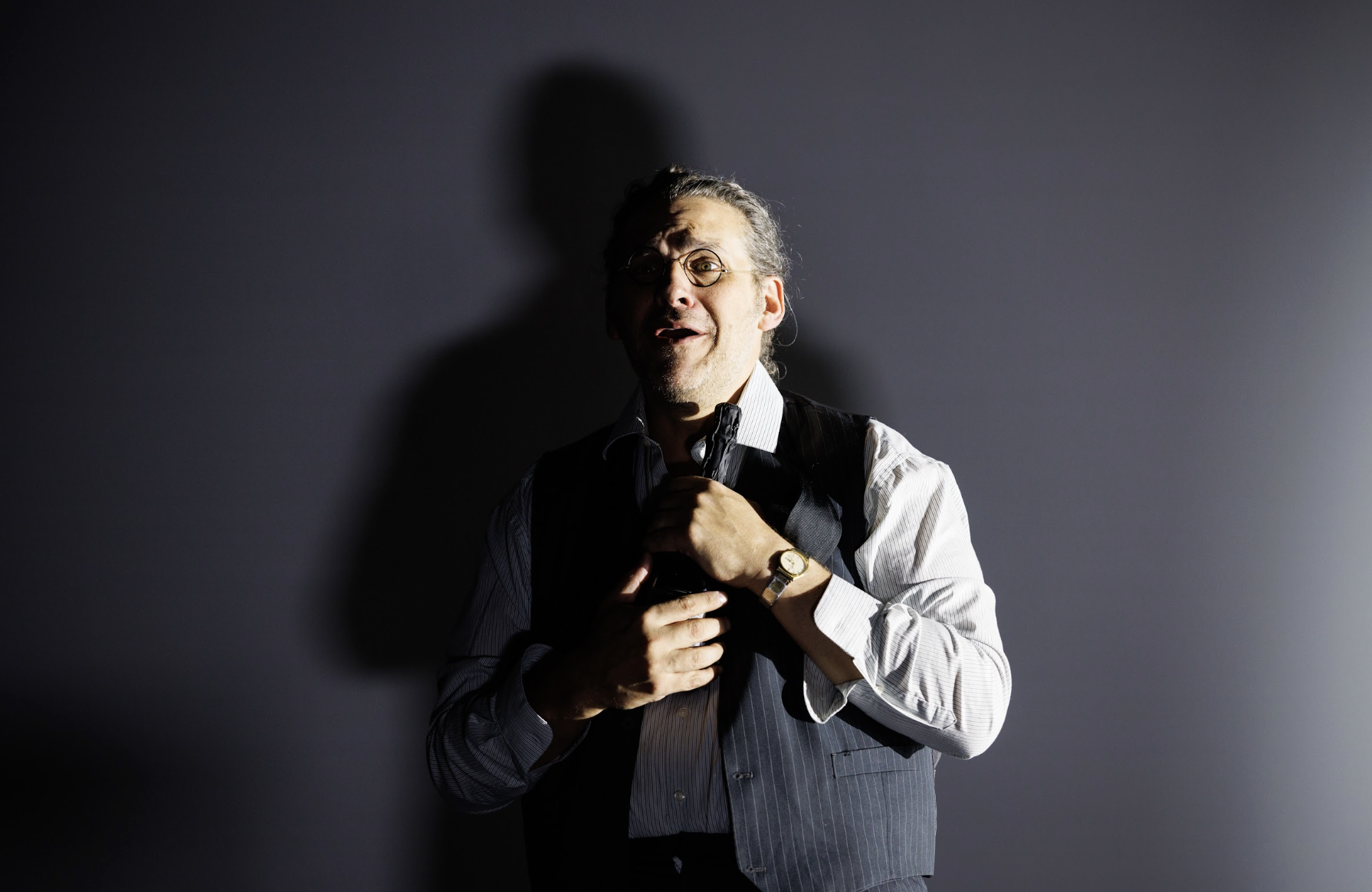
The supporting cast is equally superb. Freddie Ballentine brings compelling nuance to Anatol: seductive, transactional, morally slippery, yet intermittently capable of flashes of genuine feeling. Mary Phillips’ Baroness communicates entire histories of disappointment through a glance or tightened jaw; her silence becomes the opera’s most terrible accusation. As the Doctor, Joshua Jeremiah lends warmth, melancholy, and rueful humanity to a man who recognizes too late the inadequacy of wisdom in the face of desire.
What Heartbeat Opera has achieved with Vanessa is not simply a successful reinterpretation but a revelation of latent greatness. The company has taken a work long treated as an elegant relic and exposed its raw, modern nerve endings. Barber’s music surges forth with renewed immediacy; Menotti’s libretto reveals unsuspected psychological depth; the performers inhabit the material with an abandon bordering on dangerous. By the final blackout, one feels less as though one has attended an opera than survived an intimate emotional reckoning. In a cultural moment full of anxious obituaries for the future of the art form, Heartbeat Opera has done something miraculous: it has made opera feel frighteningly alive.
Click HERE for tickets.
Review by Tony Marinelli.
Published by Theatre Beyond Broadway on May 28, 2026. All rights reserved.
