BEAU the musical
Bryan McCaffrey, Joey Parnes and Leah Michalos; City Cowboy Productions, Noah Eisenberg, Jessica Sporn; Kyle Rogers & Lauren Weinberger, peermusic & Steve and Cindy Chao; Leachman Feigelson Productions, Alex Robertson, Let’s Make Magic Inc, and Norm Lewis; in association with Out of the Box Theatrics and The Storyline Project
The Distillery at St. Luke's | 308 W 46th St, New York 10036
October 13 - January 4

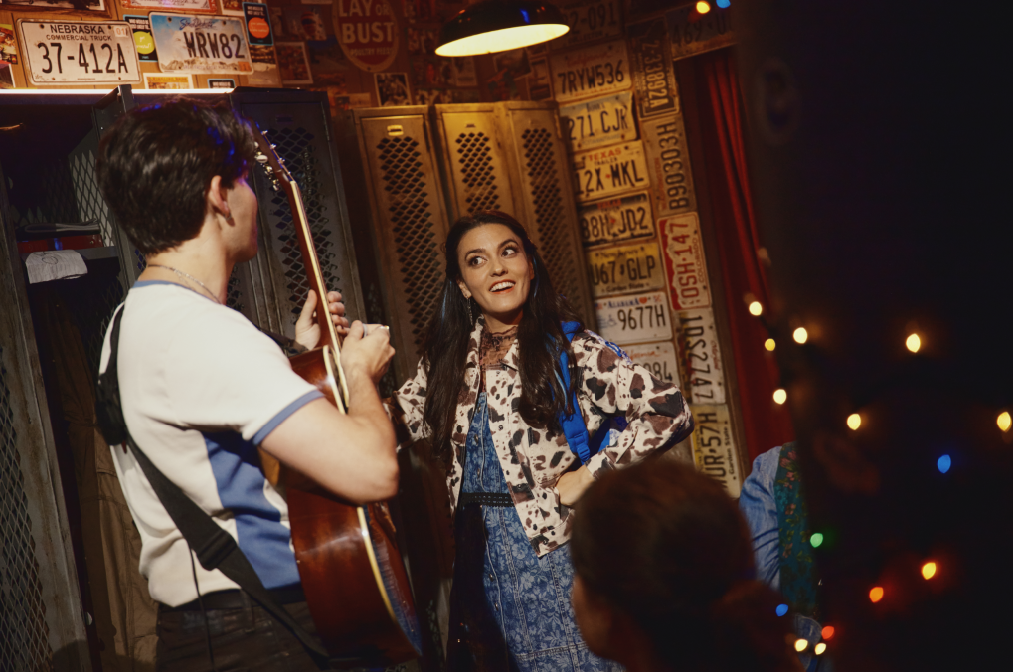
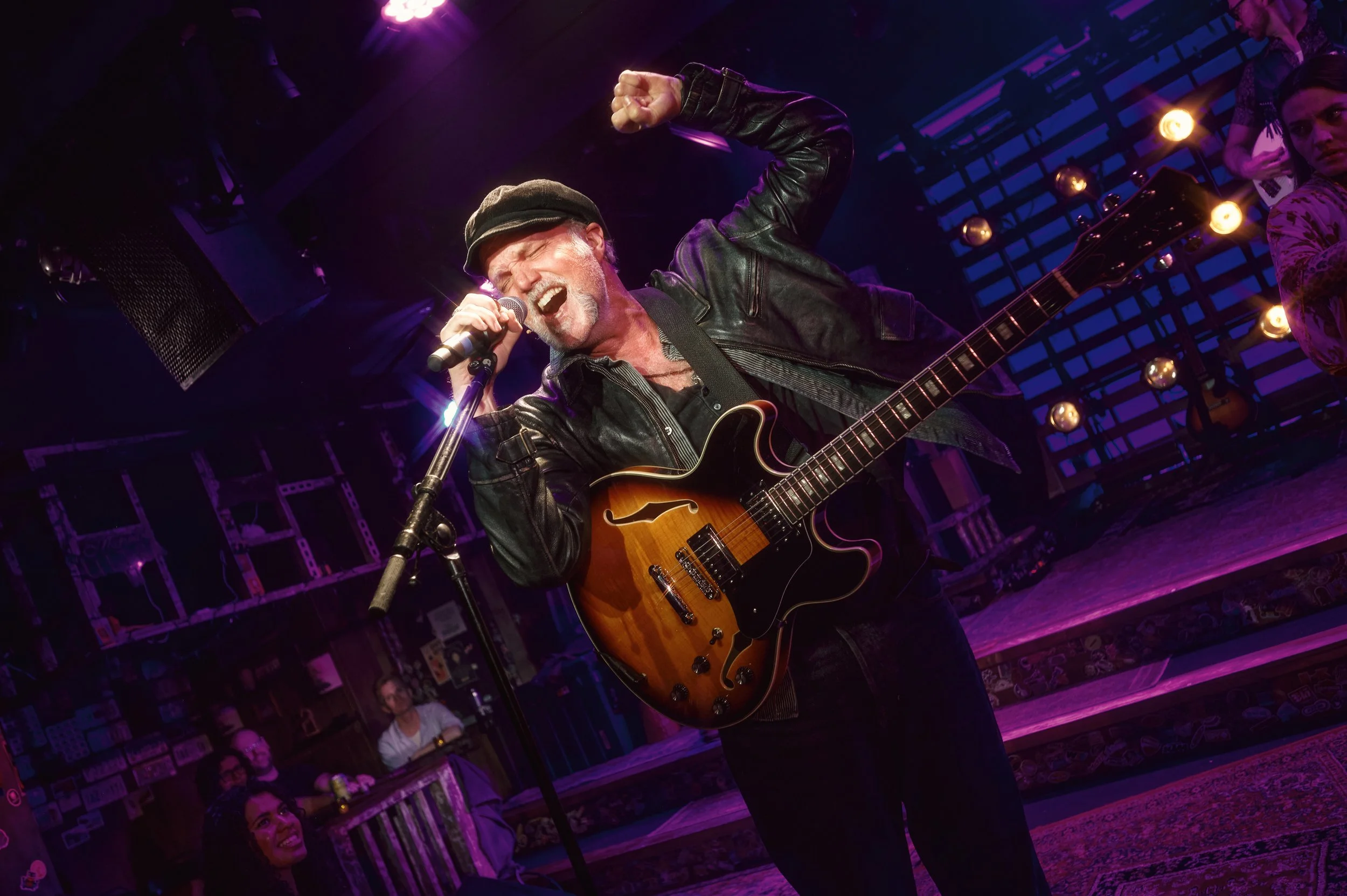
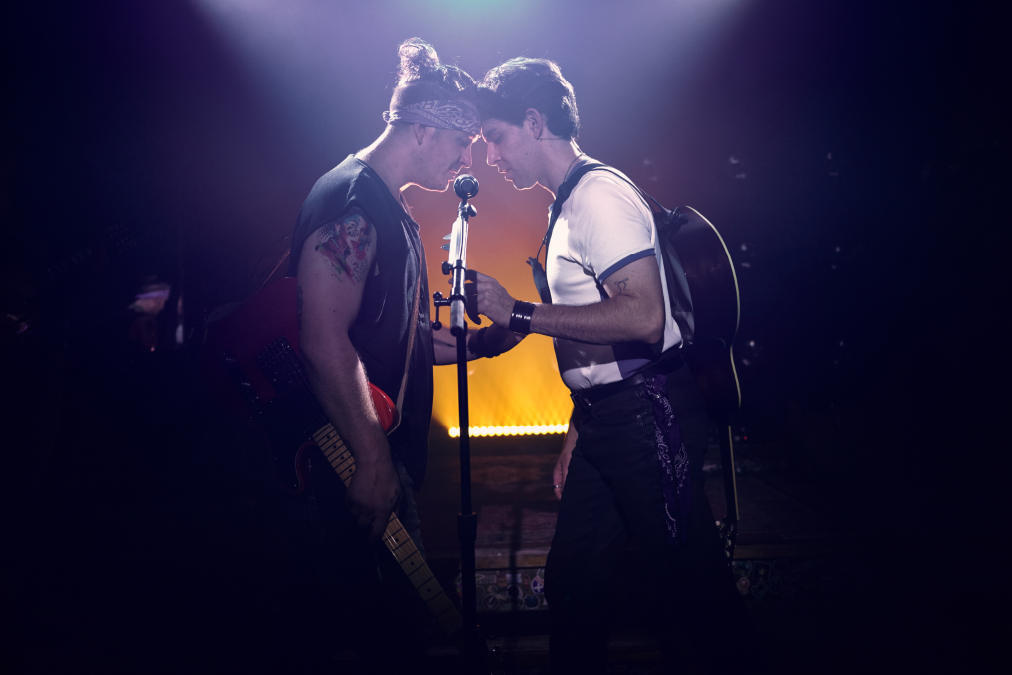
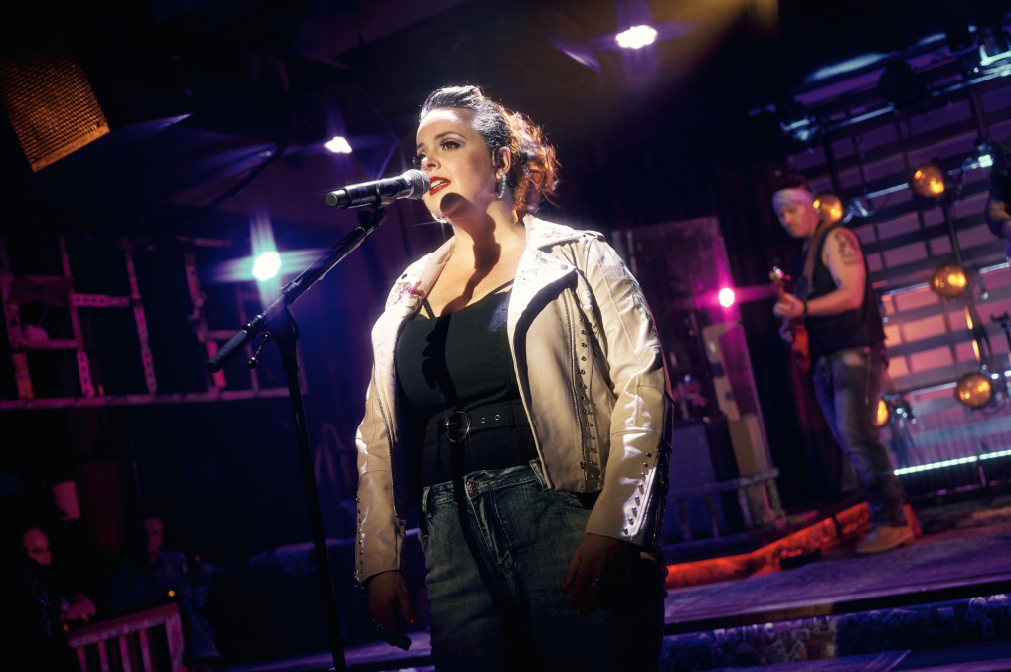
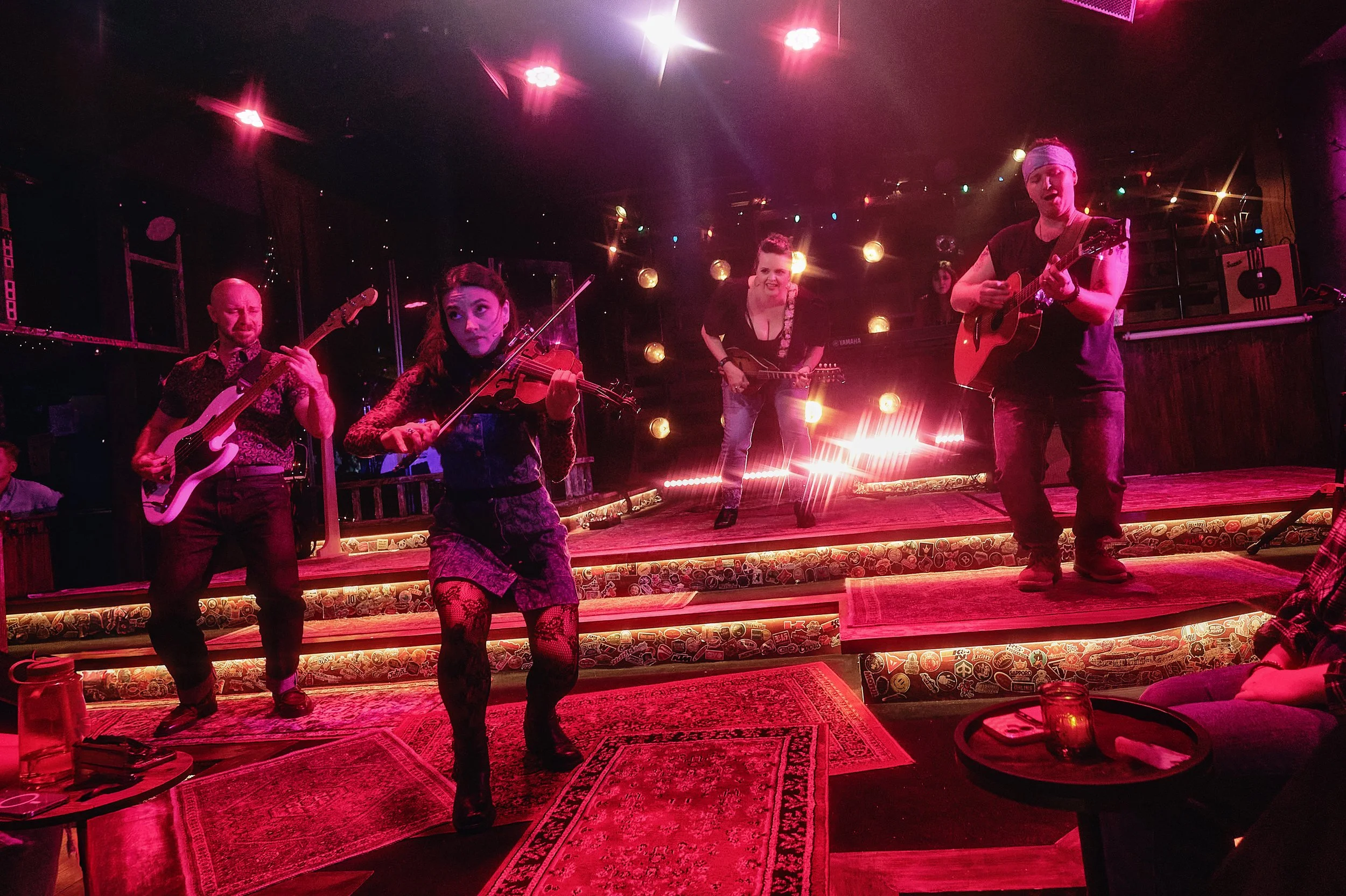
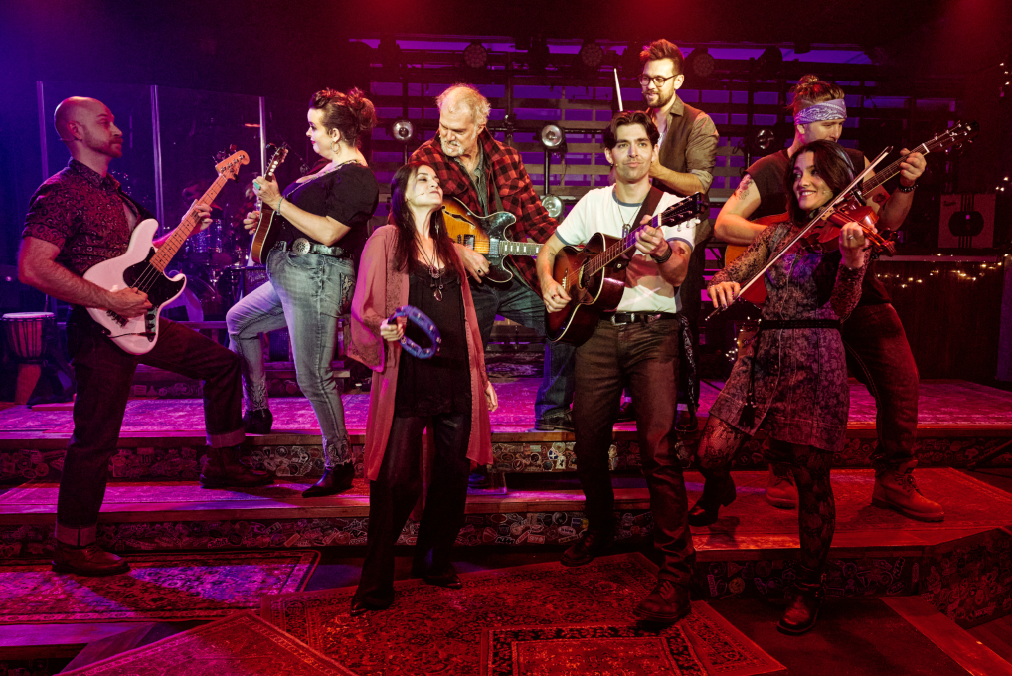
Photo Credit by Valerie Terranova Photography
It takes only a glance at the show’s charismatic leading man, Matt Rodin, to understand that Beau is cut from different cloth. A gay coming-out-and-coming-of-age story set in the heart of country music may feel historically overdue in the age of Orville Peck (enough of a devoted following there that he earned a run as the MC in Broadway’s Cabaret a few months back), yet it remains something we have curiously not quite seen before. Songwriter Douglas Lyons, credited with concept, book, music and lyrics, and composer Ethan D. Pakchar seize that absence as opportunity, forging fresh harmonies from familiar Nashville idioms and drawing us deep into the unsettling, secrecy-laden adolescence of a rising star, Ace Baker.
Rodin proves exquisitely attuned to the volatile inner weather of a young gay man, embodying the role with a performance calibrated to contradiction. In one breath he is flirtatious, quick-witted, and almost disarmingly confident, weaponizing charm as both shield and invitation; in the next, that same poise curdles into anger, bitterness, and a streak of self-sabotage that feels painfully earned. Rather than smoothing over these abrupt emotional reversals, Rodin leans into them, allowing the character’s mercurial shifts to register as the natural byproducts of a teenager learning—too quickly and at too great a cost—how to survive in a world that demands both bravado and concealment.
Ace arrives before us as a successful singer-songwriter, returning—against every adolescent vow—to the city he once fled. He is launching songs from a new album, all excavated from the tender wreckage of his teenage years, and he has no shortage of material. Raised as the only child of Raven, a single mom, Ace is the archetypal smart kid with a target on his back, a magnet for bullies until one of them, Ferris—his daily oppressor—summons him to a middle-school men’s room and rewrites the script entirely with an unexpected kiss. Soon the two are entangled in a furtive routine: stolen moments in a bathroom stall, studied indifference everywhere else.
It is enough to leave any young man reeling, but Ace’s confusion is compounded by domestic unrest. He bristles at Larry, Raven’s new boyfriend, a genial dimwit whose aggressive big-buddy overtures—punctuated by the relentless deployment of the word “fella”—only deepen Ace’s alienation. Matters escalate when a call from a Memphis hospital reveals a far more seismic truth: Beau, Raven’s father, is very much alive. Raven, who has spent years contending her parents are dead, refuses to unpack the deception, though she grudgingly allows Ace to visit the grandfather he never knew. Beau, irascible, boozing, and estranged from nearly everyone who once loved him, becomes the first paternal presence in Ace’s life. He teaches the boy to play guitar, to write songs, and—perhaps most crucially—models the complicated survival skills of a man who has lived outside the bounds of approval. Divorced and scandal-scarred, Beau is uniquely positioned to recognize the quiet panic of a boy awakening to his sexual identity.
This is a family in desperate need of clearing the air, and Beau articulates that need through a series of sharply focused musical numbers. “The Middle” stages Ace and Raven’s mutual resentments as a duet of emotional brinkmanship, dynamic if not particularly conciliatory. “It Couldn’t Be” gives aching voice to the limits of Ace and Ferris’ clandestine affair, “Crush” meant to be a private rock serenade to Ferris leaves Ace vilified by his peers at school, while “Thursday in July” mournfully unspools the family tragedy that finally propels Ace toward adulthood. Chris Gurr’s sumptuous arrangements, Pakchar’s rich orchestrations, and the muscular delivery by an eight-member ensemble of instrumentalist-actors ensures that even the most contemplative songs pulse with momentum. Beau manages the tricky double act of being both an intimate drama and a full-out revel.
Lyons skillfully braids past and present in scenes that expose the small evasions and deceptions that make growing up such a treacherous enterprise. Josh Rhodes’ direction deftly summons moments of genuine feeling while steering clear of syrupy excess. Rhodes proves acutely responsive to the possibilities of the intimate Distillery, exploiting its scale with imagination and precision, and in the process collaborating with scenic designer Daniel Allen to effect a near-total metamorphosis of the space. What was once a conventional stage now dissolves into an immersive environment, saturated from wall to wall with the textures and particulars of the Distillery bar, while fluidly accommodating the equally specific worlds of a school hallway and Beau’s Memphis front porch. Rhodes choreographs the evening spatially as much as physically, staging scenes in every corner of the room with a sense of ingenuity and effortless flow. The action remains in constant motion without ever tipping into confusion, and the storytelling, despite its restless circulation, is rendered all the clearer for having been set loose within the audience’s shared air.
At the center stands Rodin’s Ace, presiding with quiet authority, signaling youthful vulnerability even as he sails confidently through song after song. Jeb Brown’s Beau makes a late, swaggering entrance with the irreverent banger “Shut Up,” a nod to past performing glories, but his most lasting contribution is a portrait of bruised isolation and hard-earned wisdom. Lyrics from Beau’s emotive “By Your Side”- “Don’t be scared, Just be prepared…” should come with a 5-hanky warning. Running quietly but consequentially beneath the central action is a secondary narrative that shadows the main story with a darker, more rueful resonance: Beau’s belated, midlife reckoning with his own bi-curiosity. This halting, ill-timed self-exploration—undertaken not in the forgiving elasticity of youth but in the brittle season of established commitments—becomes the detonator that shatters his marriage and permanently estranges him from Raven. The play treats this not as salacious confession but as a study in emotional fallout, tracing how a man’s late-blooming honesty, however necessary, can arrive with ruinous force when met by a world unprepared to receive it.
Amelia Cormack gives Raven a ferocious edge that makes her a formidable adversary not just for her father but for her complex son, while Ryan Halsaver wisely resists the urge to overplay Larry’s buffoonery. The scene where he joins Ace to go through Beau’s effects is heartbreakingly resonant. Max Sangerman capably weaves through the contradictory impulses that define his character. His Ferris emerges not as a stock villain or convenient obstacle, but as an antagonist etched with genuine tragic depth—a young man whose cruelty is inseparable from his confusion, and whose aggression reads less as malice than as a desperate bid for self-preservation. The performance allows us to glimpse the fear and longing that curdle into hostility, lending Ferris a bruised humanity that complicates the drama and resists easy moral accounting.
As Daphney, Ace’s best friend and creative co-conspirator, Miyuki Miyagi proves such an effervescent presence that one longs for her to be given more narrative ballast. Miyagi’s supple fiddle work proves far more than ornamental accompaniment; it is an essential narrative instrument, threading warmth, ache, and momentum through the evening, and grounding the score’s emotional currents with an unmistakably human touch. Andrea Goss, meanwhile, is tasked with a quietly devastating double duty, registering as unloved twice over—first as Ferris’ sidelined girlfriend, then as Beau’s discarded ex-wife—each appearance accumulating a residue of disappointment that deepens our understanding of the men who failed her. And in one of the production’s most gently revealing gestures, percussionist Derek Stoltenberg emerges from behind his plexiglass enclosure as Dennis, stepping into the light to quite literally drum up Beau’s softer impulses, a theatrical flourish that humanizes the gruff patriarch and allows rhythm itself to become an agent of emotional thaw.
Allen’s rustic scenic design situates the action in a convincingly worn, yet cozy saloon. Event posters, twinkle lights, and faux-neon signs conspire to create a space that feels less like a set than a genuine refuge. Japhy Weideman’s lighting bathes the room in clubby warmth, snapping to glacial chill when the story demands it, and keeps the musical numbers kinetic with rotating backlight and bold splashes of color. Rodrigo Muñoz’s costumes are smartly expressive, and very much character appropriate and lived-in. A red plaid lumber jacket freighted with emotional resonance almost becomes another character, a cousin to the shirt hanging in Jack Twist’s closet at the end of Brokeback Mountain. Jordana Abrenica’s sound design is admirably clear without intruding on the intimacy of the venue.
Beau shoved aside all the usual Pride Month offerings when it first made its appearance at Theater 154 this summer, but the distinction is mightily earned. This enormously heartfelt production aspires to, and achieves, a level of craft meant to engage audiences well beyond a niche constituency. While coming-of-age narratives remain among the theater’s most reliable crowd-pleasers—timeworn, comforting in their familiar arc, and endlessly renewable—it is a rare specimen indeed that dares to reroute the journey in such unexpected company. Here, a gay youth’s halting process of self-discovery is guided not by the usual chorus of enlightened peers or benevolent mentors, but by a pair of unlikely catalysts: a sexually bewildered bully whose cruelty masks his own terror of desire, and a gruff, weathered grandfather who, with hard-earned conviction, preaches the restorative, almost salvational power of music. That this improbable alliance rings true rather than contrived is one of the play’s quiet triumphs. With commercial producers circling then and again now, it seems all but inevitable that Beau will resurface yet again, (Broadway, anyone?), and it is easy to imagine major regional theaters across the country embracing it. Just as with any classic country song, it tells a story with enough truth, melody, and emotional grit to reward repeated listening.
Click HERE for tickets.
Review by Tony Marinelli.
Published by Theatre Beyond Broadway on December 22, 2025. All rights reserved.