
Fog and Ice
Written by Eugene O’Neill and Esther E. Galabrath
Directed by Jeremy Heymann, Produced by JHW Productions
Theatre Row, 410 West 42nd Street, New York, NY 10036
February 12, 2026 - February 28, 2026
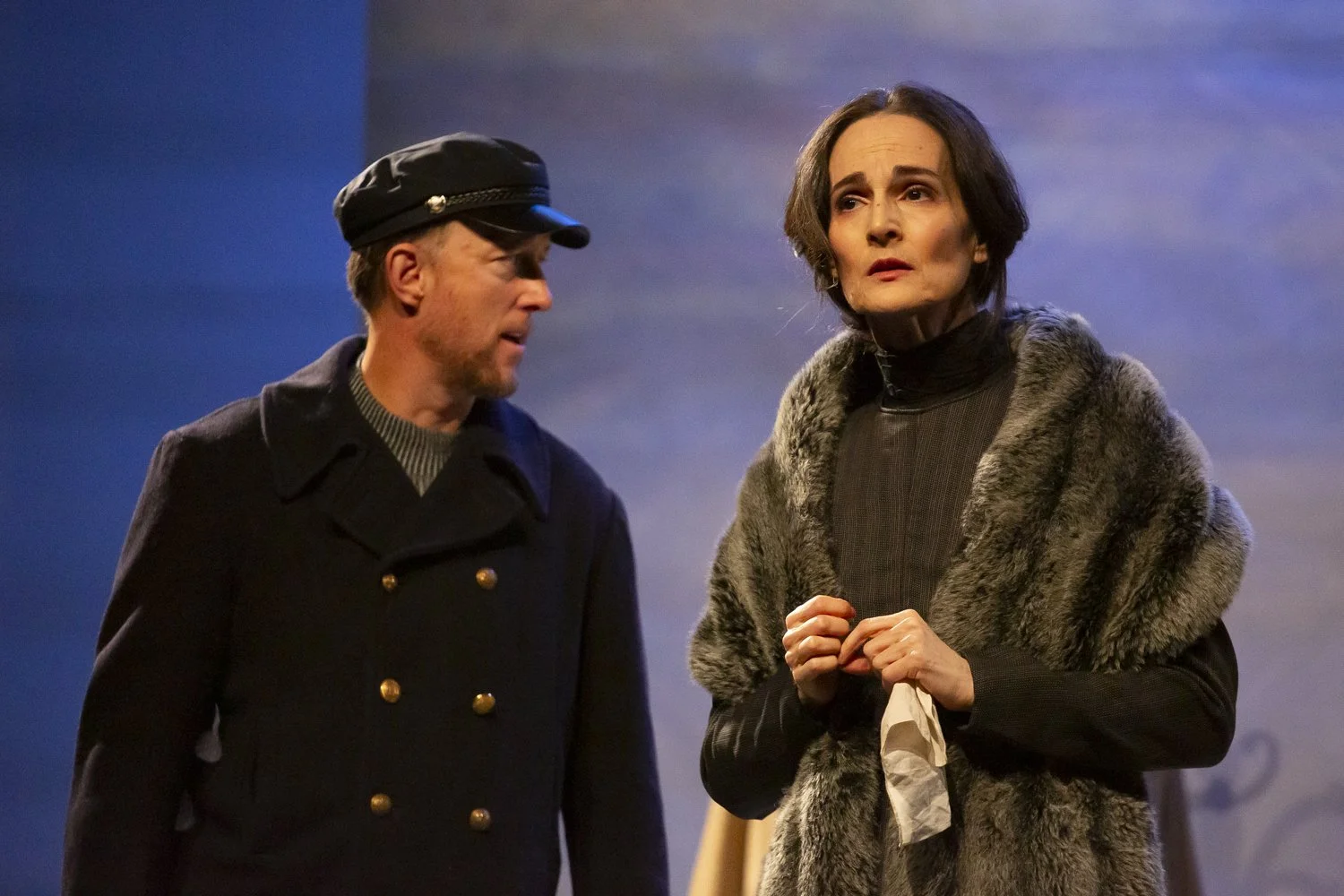
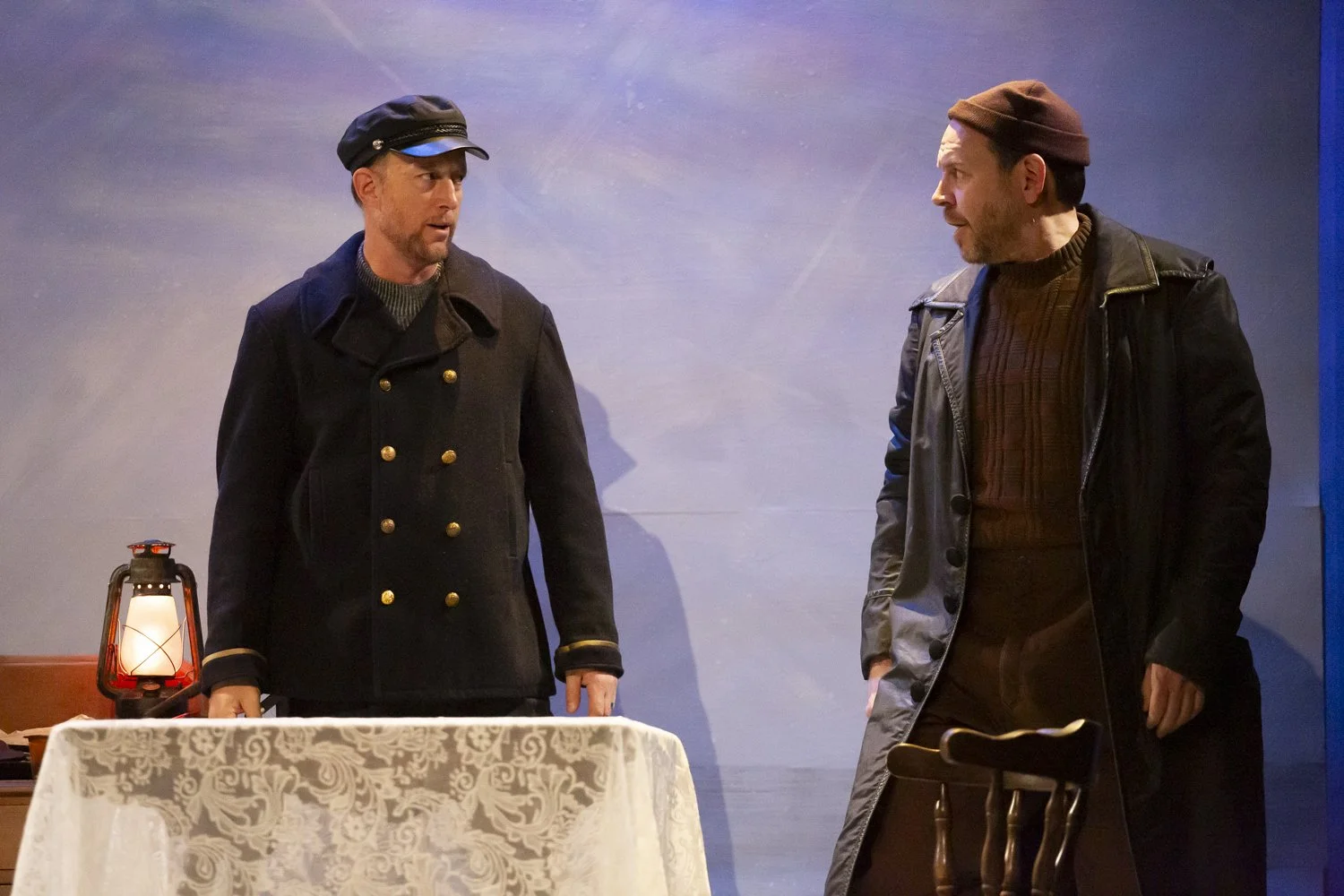
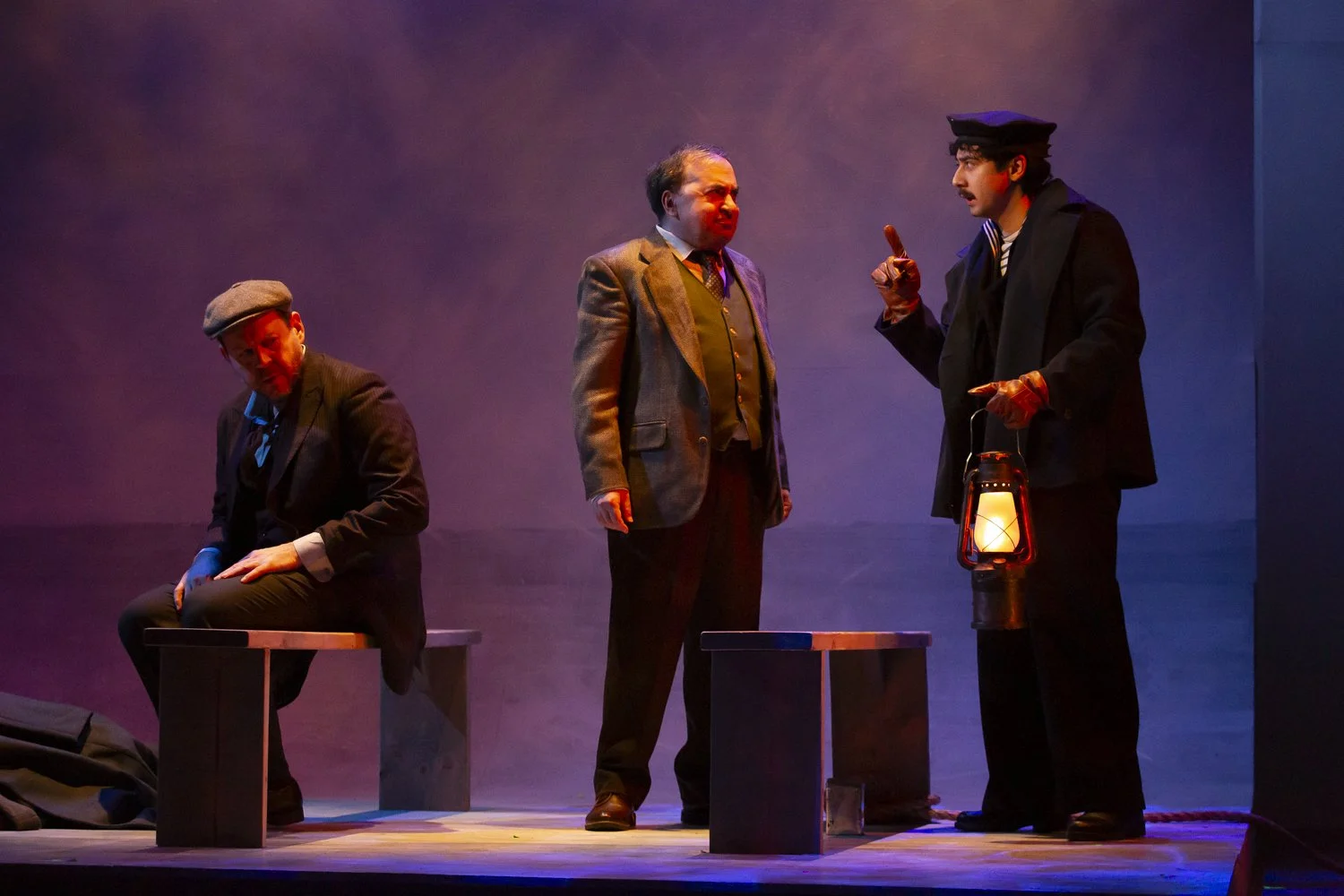
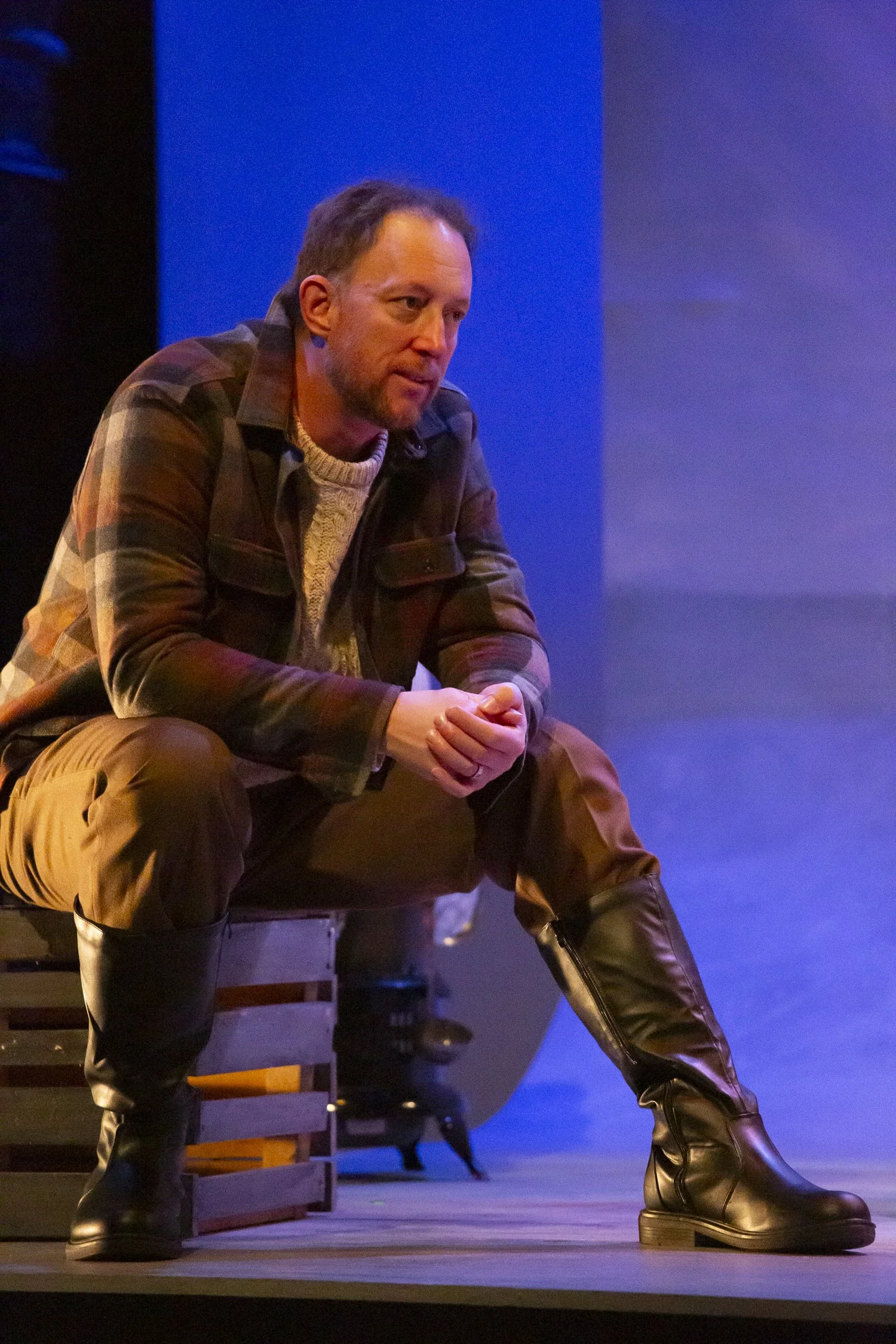
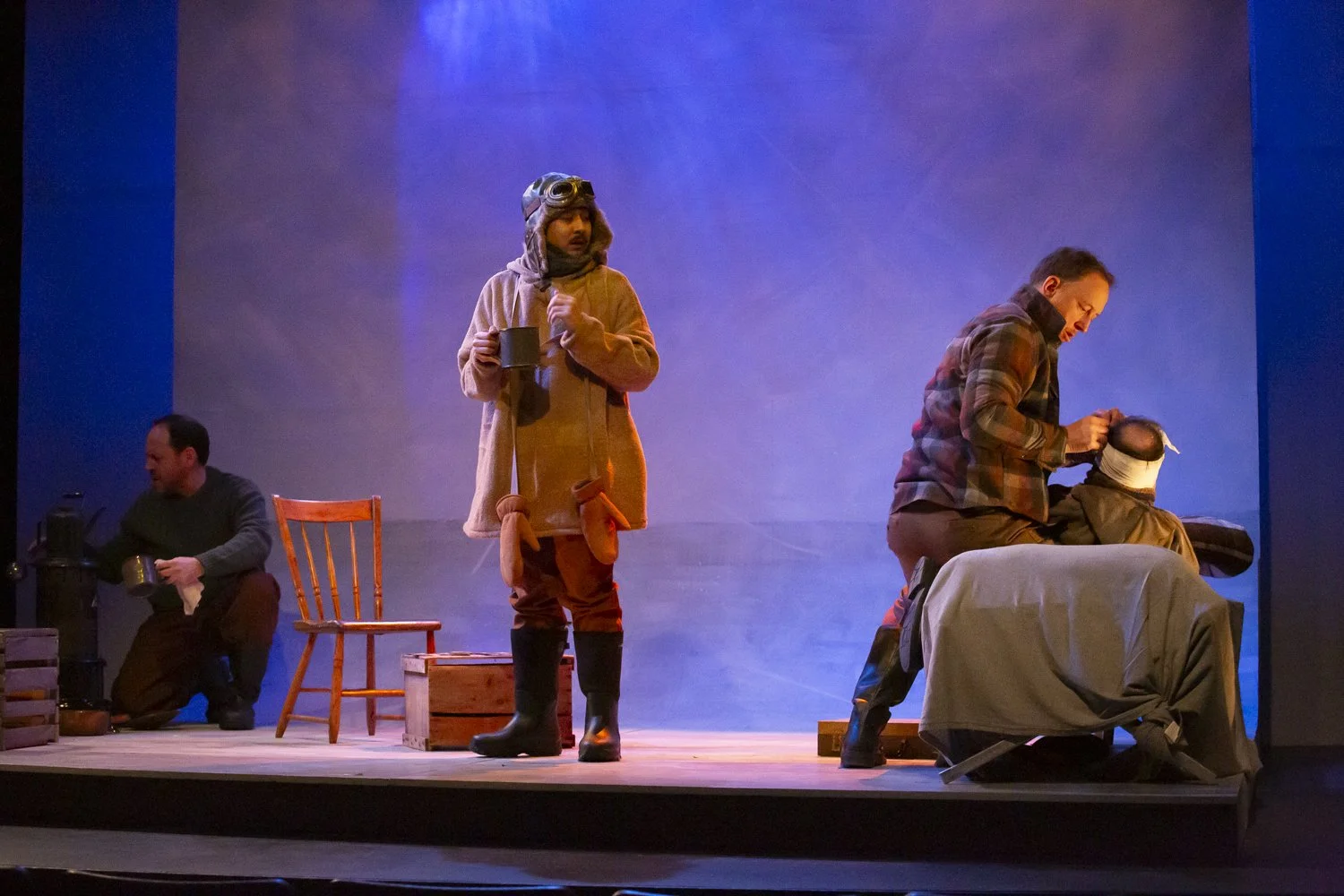
How often does the past forecast the future? Three one act plays written by Eugene O’Neill and Esther E. Galabrath do just that. Director Jeremy Heymann artfully curates three somewhat obscure and often rarely performed pieces to delve into the heart of how the problems of the early 1900s do not differ so much from that of today.
In Ile by Eugene O’Neill, the title is derived from how oils pronounced in a heavy New England accent. Captain Keeney (John Long) is at his wits’ end in nearly two years of sea travel to obtain precious whale oil. His tenacity mimics modern-day corporate greed in the sense of entitlement and desire for the upper echelons of success. Meanwhile, his wife Mrs. Keeney (Charlotte Cohn) starts to turn mad at the never-ending relentlessness of sailing at sea with what appears to be no destination in sight. A timeless familiar sacrifice, with wives taking a backseat to the patriarch.
The scenery is all too fitting. Set against the backdrop of the sea, the confinement of the space allows the audience to feel the oppressive quarters that make the sea an ever-ending hollow carrying the frail ship in uncomfortable terrain. The actors carry with them their triumphant thick New England accents. Strapping costumes convincingly place the piece in its correct period. Tremors in Mrs. Keeney’s voice as she begs her husband to bring her back to land bring quivers down your spine, and her performance is so convincing you think, “What heartless man would not answer to her whim?” At the very end, when Mrs. Keeney relentlessly bangs on an organ to showcase her maddening spirit while her husband runs off the room to chase oil, it leaves you hollow. These moments emphasize the quiet whispers for a burgeoning desire to risk it all for oil.
In Fog, also by Eugene O’Neill, a Poet (Simon Feil) and a Business Man (Steven Rattazi) are stranded in fog on a lifeboat with a huddled sleeping woman and her lifeless infant. Waiting to be rescued is an all too familiar feeling, especially after the confusion, fear, and unknowing we all experienced during the worldwide pandemic. The piece resonates with how, in the unknowing, we spend a lot of time reflecting on what was or could have been. The stark contrast of how the poet sees all the different color hues in his metaphors versus the sharp critical analysis of the business man also aligns with conflicting views we see all over social media today. Where is the line drawn between too much reflection getting in the way of taking action?
From the beginning, the darkness of the stage radiates to the audience and, for the better portion, it remains. The director makes a bold choice by the audience being unable to see the actors as the stage is dim to the point of dark. This gives the audience a sense of the same despair and foreboding the characters are experiencing. From an audience perspective, it is more crucial we see the actors to witness their expressions. I felt sitting there, unable to see for so long, left me wanting to see the actors relate to one another versus only hearing their voices. Had we experienced the darkness briefly and through a different theatrical stage mechanism, keeping a fog-like essence without diminishing the faces of the actors, we would then be able to connect more to the performance throughout. Eventually, the fog lessens and the lights rise to see the actors.
The stage is divided into vertical seats to resemble a lifeboat. Watching the actors challenge physical stances when they rise to move around the lifeboat or eat survival kit crackers is visually intriguing and makes you imagine what it must be like to be a spectating seagull in the vast ocean. Given the particular era in time and dense dialogue, visual cues are essential for connecting. Times may come and go, but expressions are always similar and forever.
The third and final one act piece of this collection is written by Esther E. Galbraith, titled The Brink of Silence. A man, Cole (John Long), and his cabin mate whaler Macready (Simon Feil) live in a small cabin in Antarctica as Cole tries to circumnavigate his feelings and new identity since his tragic failed mission. Macready is ready to leave and return to home, convincing Cole to come along. It is then that Cole reveals his true identity, the family he left behind, and the tragic mission that took the lives of his crew.
The idea of wanting to spend the rest of your days bunkered up in a remote cabin in Antarctica can sometimes seem idyllic in this chaotic world, but the question becomes: at what cost? In his desire for anonymity, he forgoes his relationship with his young son, who in this play returns as a man, Darton (Jesse Castellanos), in need of help as he successfully navigates Antarctica, but one of his crew mates, Johnson (Steven Rattazi), is badly injured. The play ends with Cole never revealing his true identity to his son.
The staging seamlessly transitions from one play to the other. Beams of light blink as transitions take place, so that the focus is on the light rather than stagehands shifting scenes. In The Brink of Silence, the staging perfectly amplifies the desolate and humble furniture, giving a sense of how Cole’s inward despair is outwardly comforted by the external simplicity. In giving up his former life in exchange for solitude, the reflection he encounters helps to aid his grief. The director’s theatrical mechanisms flawlessly tie in all three one acts through how the actors command language, diction, and understanding of the era.
Fog and Ice, An Evening of Three One Acts is a study in human resilience and solitude. Director Jerry Heymann manages to seamlessly interweave the three one acts, whether at sea or on a remote continent. What is particularly striking is how the sea and Antarctica serve as silent characters. The director skillfully shifts focus between our own relation to the vast ocean and the obscurity of Antarctica, allowing us to look closely at the characters as a metaphoric vessel navigating themselves through the maelstrom of nature. Through his staging and the actors’ bold choices, what especially shines through is the subtext, which creates further inner turmoil as the actors emote. The quiet moments on stage, from desperate attempts to shift the narrative through acts of plea, suspense, and coercion, reach the core of the matter: making sense of the senseless. Fog and Ice explores how greed, survival, or tragedy crumble when isolation reigns supreme.
Review by Bianca Lopez.
Published by Theatre Beyond Broadway on March 7th, 2026. All rights reserved.
