The Totality of All Things
Written by Erik Gernand, Directed by Shannon Patterson
Theater 154 | 154 Christopher St, New York, NY 10014
May 12, 2026 - May 17, 2026

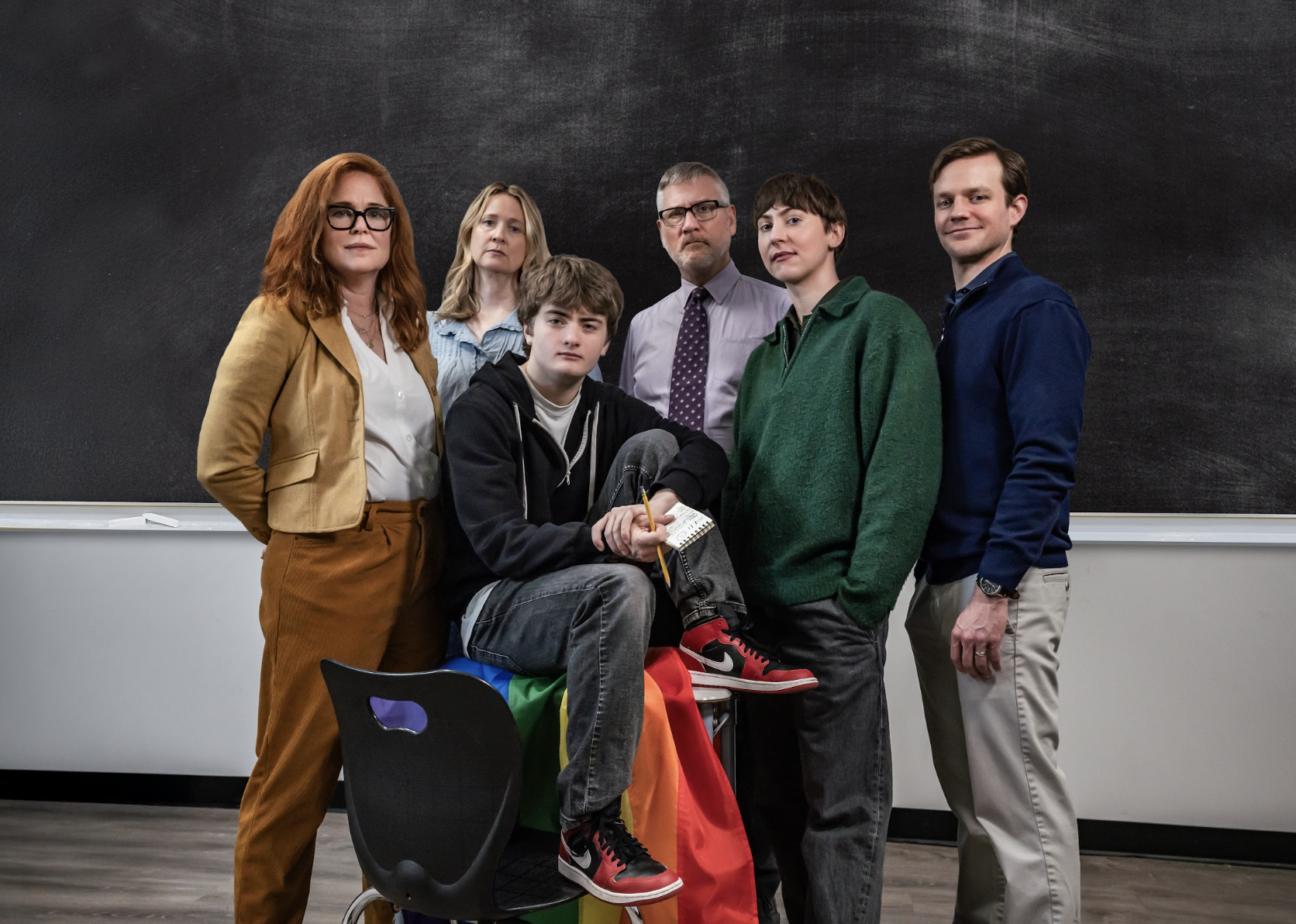
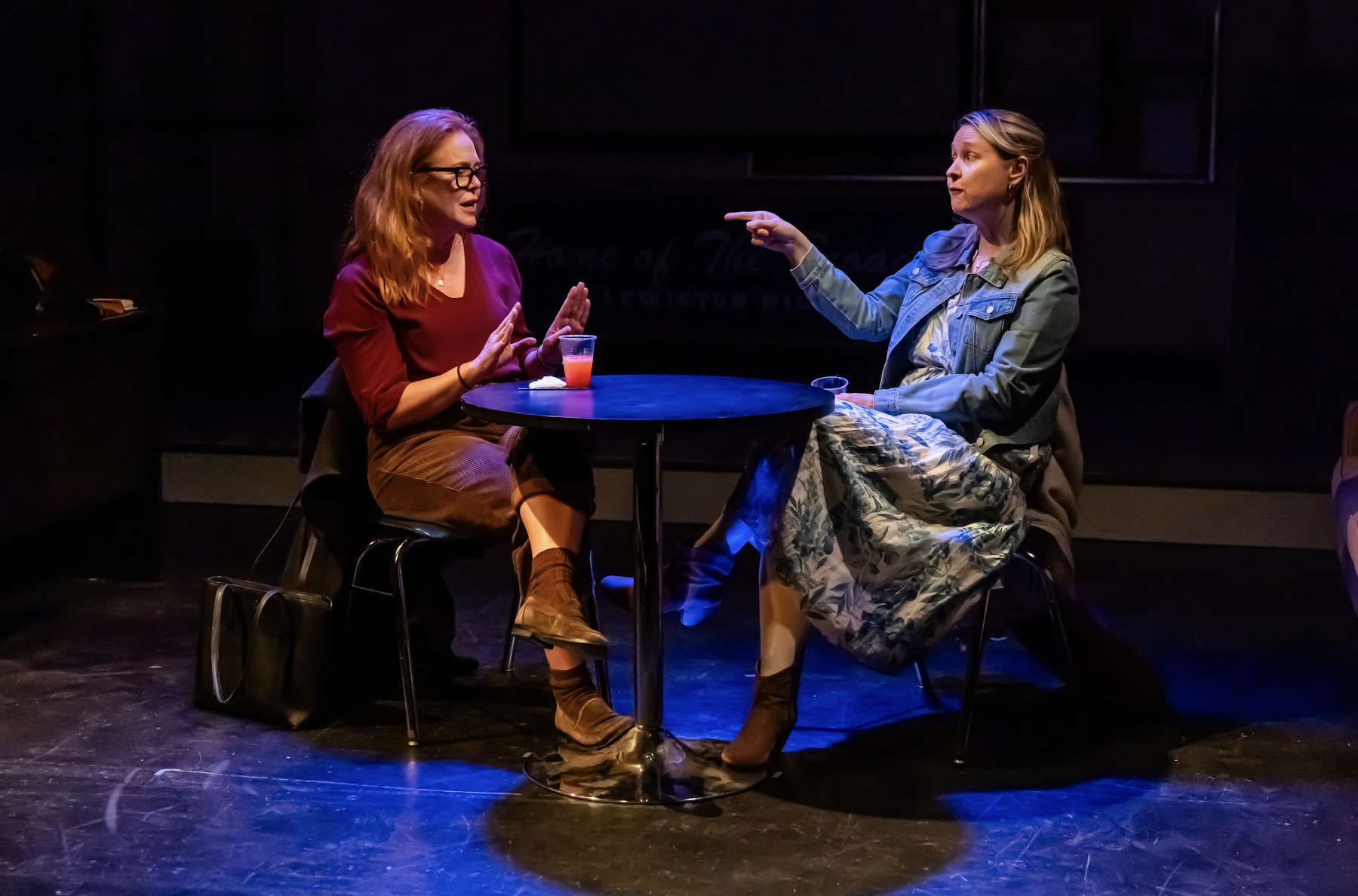
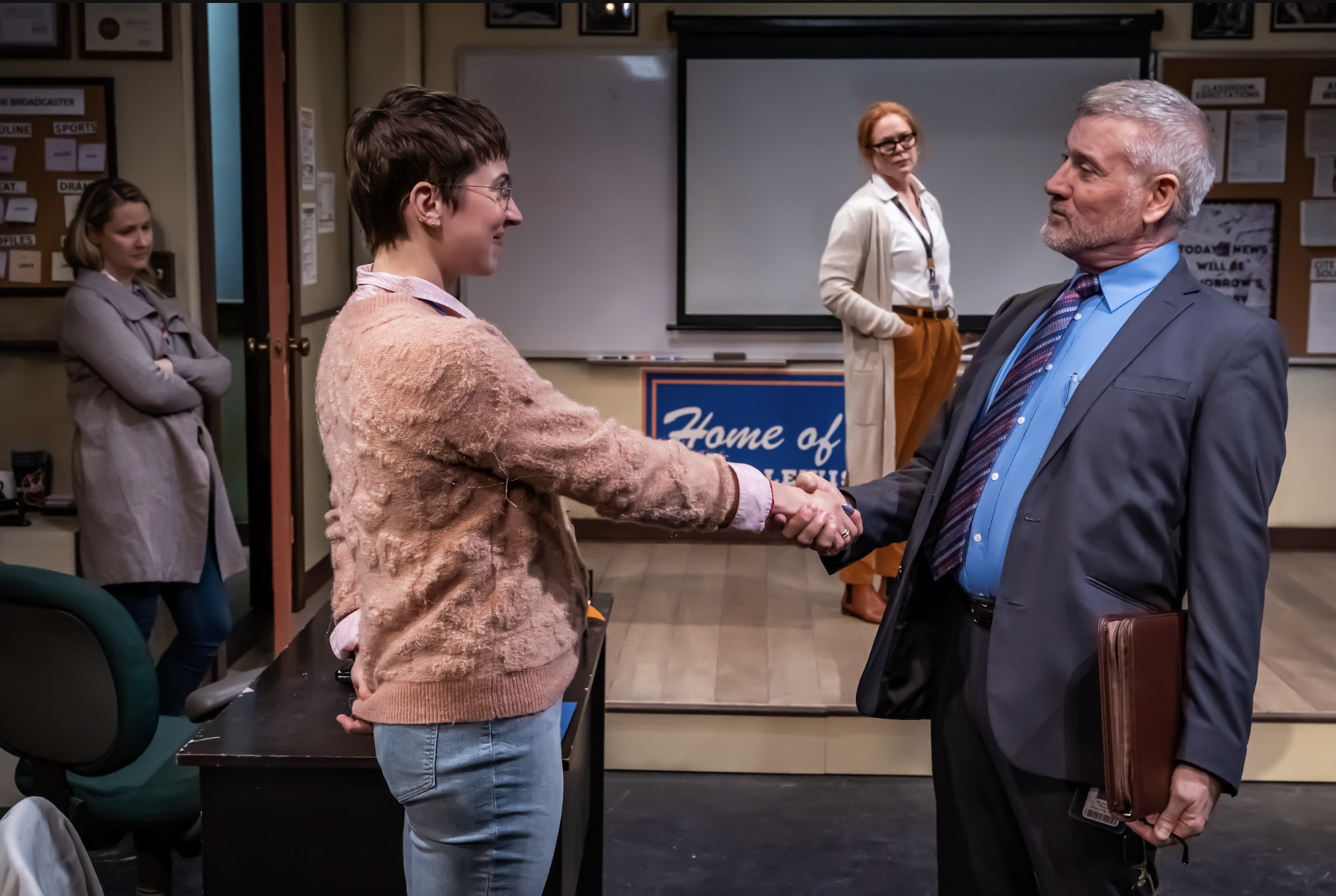
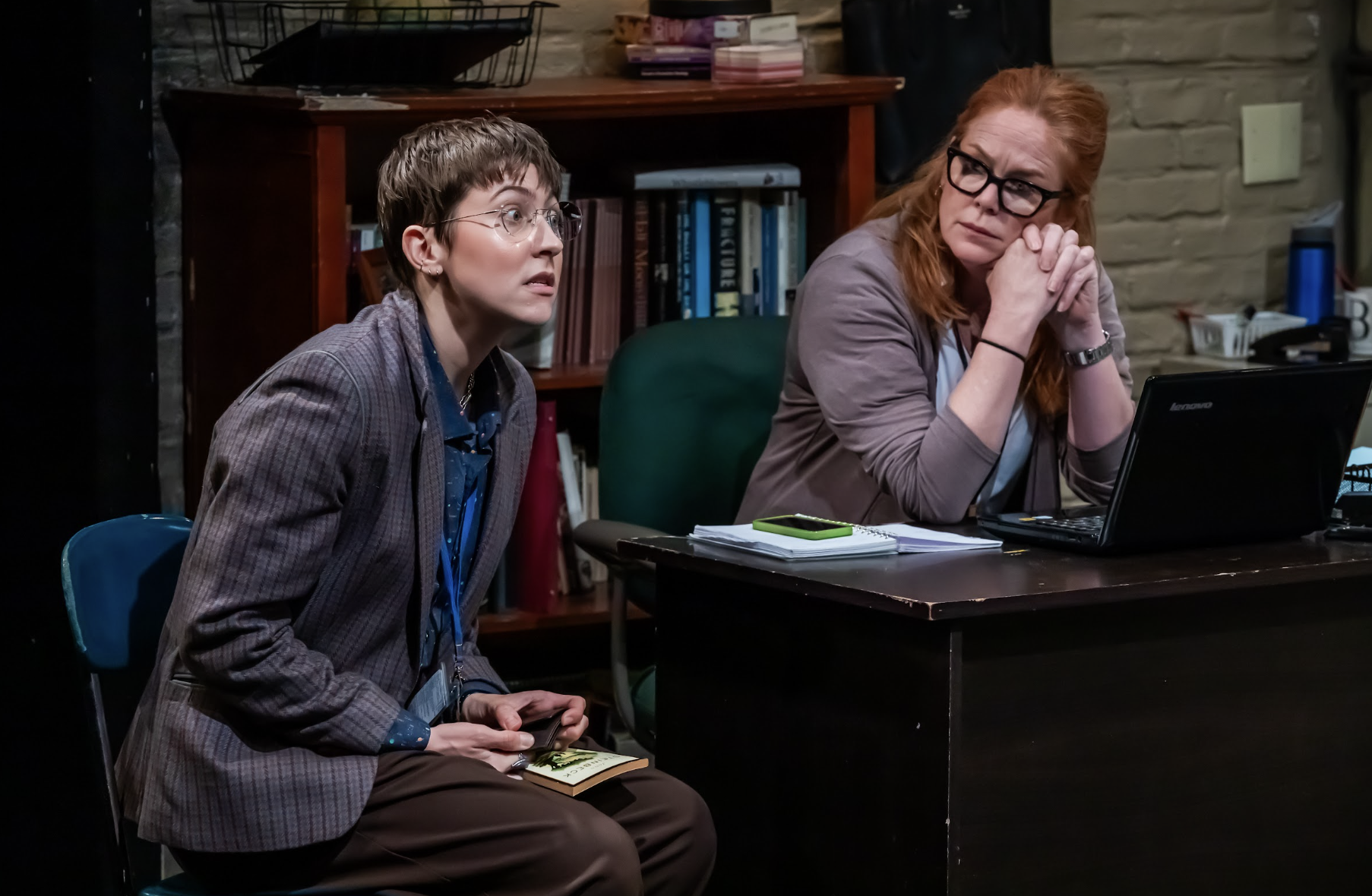
Photo credit by Mikiodo
Once upon a time conversations could be rich with debate, respect, and mutual admiration. Sometimes they were light. Sometimes they became heated. Sometimes they even became ugly. Yet after time passed and life continued, people rarely became sworn enemies because of differing thoughts and ideals. At least, that is how I remember it.
Then something shifted.
By 2015, with the legalization of same-sex marriage and the looming 2016 presidential election, ideology stopped being discussion and became identity. Opposition became personal. Relationships fractured beneath the weight of certainty.
That cultural fracture line sits at the center of Erik Gernand’s The Totality of All Things under the direction of Shannon Patterson.
Set in a small Indiana high school, the play follows Judith (Colleen Clinton), a journalism teacher and faculty advisor to an award-winning student publication. Having left her hometown for the “big city” and eventually returned, Judith believes deeply in truth, inclusivity, and moral clarity. Her classroom reflects that philosophy: newspaper layouts line the walls, current events dominate bulletin boards, and Pride Month materials affirm students searching for visibility and safety.
Among those students is Micah (Cody Jenison), a gifted young journalist whom Judith mentors closely. When a swastika is graffitied across a Pride display, the classroom becomes ground zero for a larger ideological collision involving faculty, students, and the surrounding conservative community.
What makes the play compelling is not simply the act of hate itself, but the ripple effect that follows. Judith’s pursuit of justice slowly evolves into obsession, and the play asks difficult questions about conviction, righteousness, and the moment where certainty eclipses humanity.
For New York audiences especially, the play can feel startlingly revealing. In cities where diversity is woven into everyday life, it is easy to forget that in 2015 there were communities where people openly admitted they had never knowingly met a gay person. The play does not caricature these Midwestern lives. These are people who go to work, attend football games, gather in faculty lounges, and build generations of history in one place. Their perspectives may feel limited, but the script allows us to understand the ecosystem that shaped them.
One of the production’s motifs emerges quietly through faculty lounge banter about Coke versus Pepsi. A harmless disagreement becomes symbolic of the larger question underneath the play: can opposing viewpoints coexist without demanding the destruction of the other side?
That question grows increasingly unsettling as the story unfolds.
The ensemble work throughout the production is strong and cohesive. Logan Floyd, DeAnna Lenhart, Joseph Dean Anderson, and Rik Walter create sharply defined individuals rather than ideological placeholders. The reveals layered throughout the script land effectively because the performances resist melodrama in favor of recognizable humanity. Colleen Clinton, in particular, carefully charts Judith’s transformation, allowing us to witness how moral purpose can become corrosive when empathy begins to disappear.
The production’s scene transitions were distracting. As a one-act built on escalating momentum, the repeated set adjustments interrupt the rhythm at crucial moments. Just as the emotional temperature rises, the mechanics of transition briefly pull the audience out of the world the play works so carefully to construct.
Still, feels less like a period piece and more like an autopsy of a moment that permanently altered how Americans speak to one another. It reminds us where many of these fractures began: in schools, faculty lounges, conversations about truth, identity, fear, and belonging. The play understands that the “totality” of any issue is rarely simple, and that danger often begins the moment we convince ourselves it is.
Review by Malini Singh McDonald.
Published by Theatre Beyond Broadway on May 18, 2026. All rights reserved.
